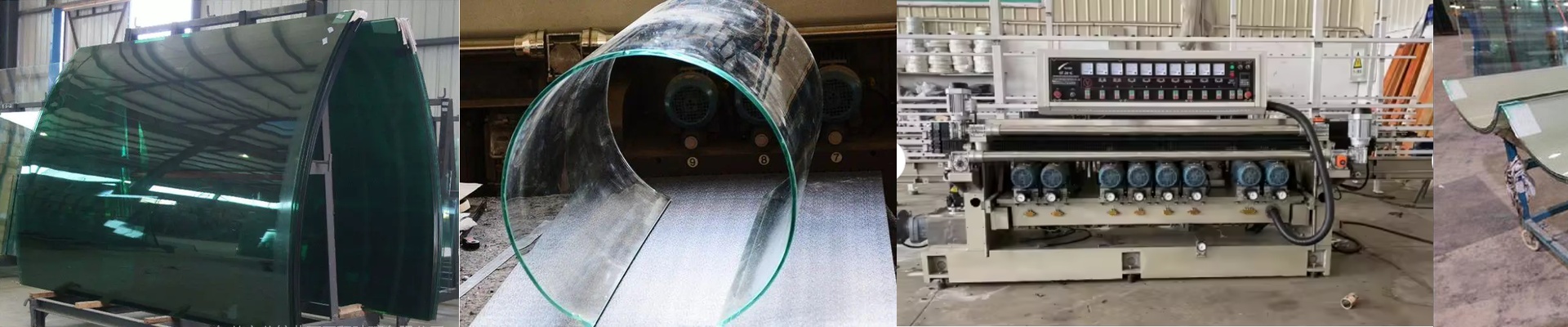
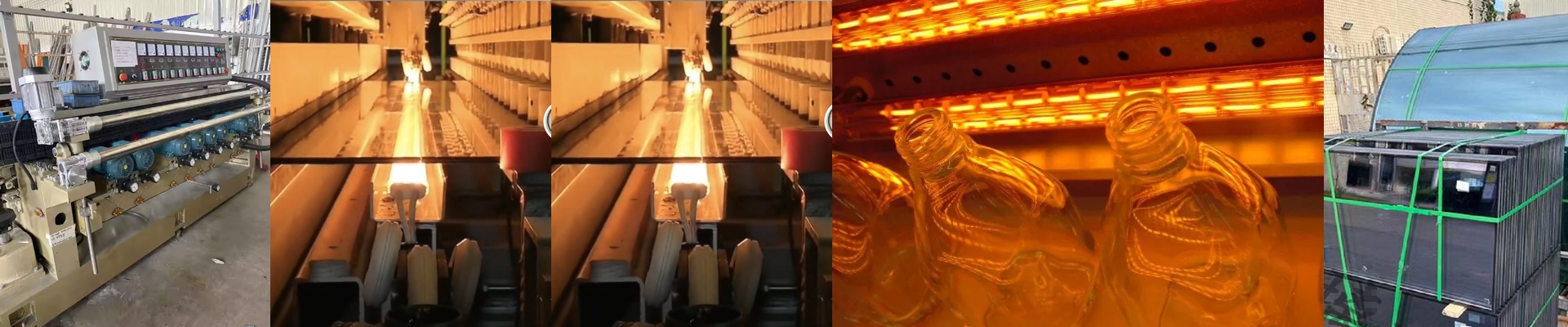
Out on the glass processing floor, the ink is down and the line is waiting. If the drying zone can’t keep up, you end up trapping solvents, getting poor adhesion, and stacking rejects that never make it to tempering or lamination. We built our NIR drying modules to clear that bottleneck—without thermal shock, without wasting energy.
What matters under the hood
We tune the near-infrared (NIR) emitters to match the absorption profile of digital inks on glass, not to heat the whole sheet. Energy lands fast: full cure in seconds instead of minutes, with a tight thermal profile across the width. Power density is sized to hit target temperature without overshoot, and output tracks line speed. The quartz-based design gives you high emissivity and quick response, so the heat switches on and off with repeatable control. Modules come in standard lengths and voltages for retrofit, with solid terminals and shielding that plays nice with industrial control integration.
Why this works where the rubber meets the glass
On high-throughput digital printing lines, time is yield. NIR dries the ink fast, so the glass keeps moving and downstream processes—bending, tempering, or lamination—don’t get held up by uncured coatings. The controlled heat also helps protect the surface, cutting down on thermal stress marks and edge issues that show up when convection tries to soak the whole pane. Energy use drops because the energy goes into the ink, not into heating the air and the conveyor.
The practical details you can’t skip
NIR drying is line-of-sight, so emitter spacing and angle matter. Setup has to match ink thickness, glass tint, and line speed. We’ll give you starting parameters, but expect a short commissioning window to lock in the process window. And yes, shielding and proper interlocks are non-negotiable—NIR is intense, and operator safety comes first. Get those details right, and you get repeatable drying that keeps the line moving.