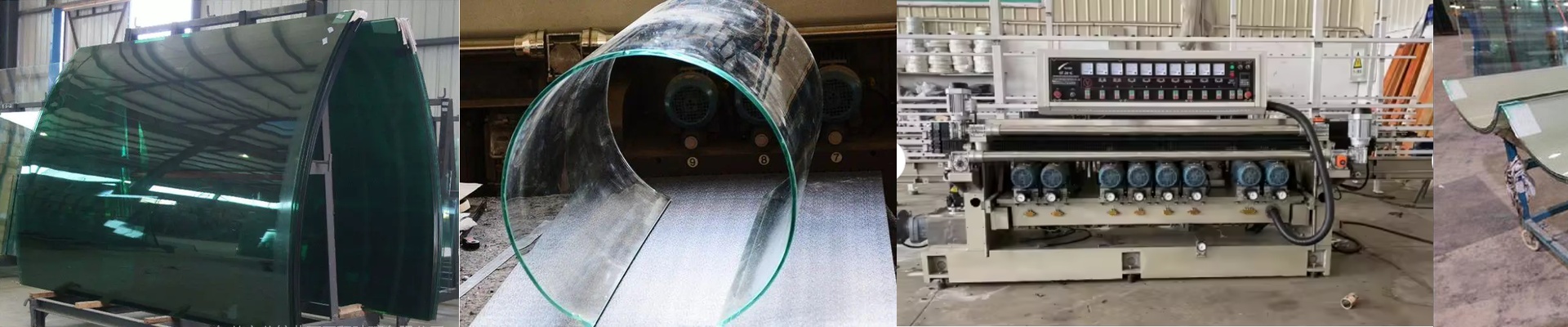


On the floor, timing is everything. The bending furnace is waiting for the glass to hit the right temperature. The lamination press is chasing the cure curve. The coating line needs uniform drying—no pinholes, no skinning. When the heat profile drifts, you don’t just see it on the chart; you see it in the scrap—warp, optical distortion, weak bond lines.
El tiempo es fundamental en planta. El horno de curvado espera a que el vidrio alcance la temperatura adecuada. La prensa de laminación sigue la curva de curado. La línea de recubrimiento requiere un secado uniforme—sin poros ni formación de película superficial. Cuando el perfil térmico se desvía, no solo se refleja en el gráfico; también se traduce en rechazos—deformaciones, distorsiones ópticas, líneas de unión débiles.
The spacer bonding infrared heater was built to stop that drift and keep the line moving. El calentador infrarrojo para unión de separadores fue diseñado para eliminar esa deriva y mantener la línea en funcionamiento.
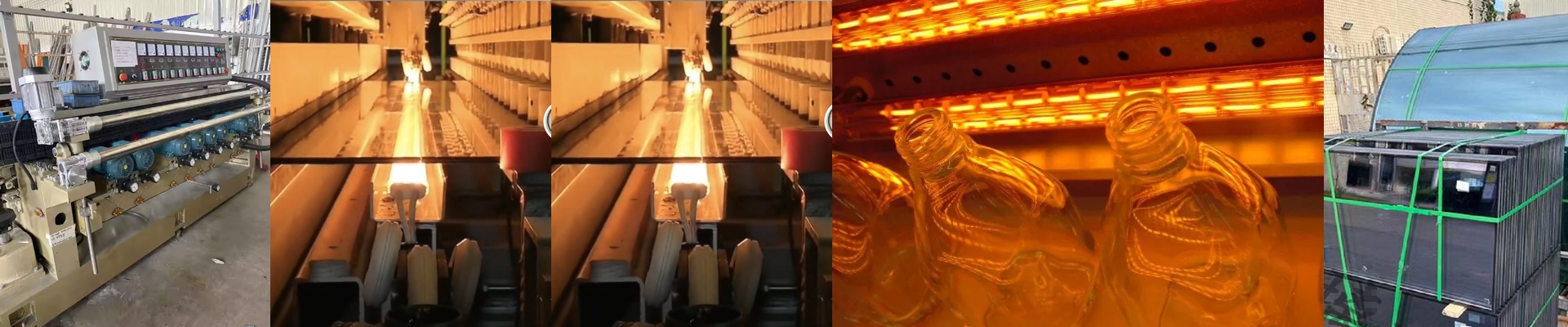
Here’s what’s actually happening under the hood. We run short-wave infrared quartz emitters, so the heat goes straight into the glass and adhesive layers, with minimal convection. Response is immediate—full power on in seconds, and it cools down fast when the recipe changes. The heater keeps a tight thermal field across the bond zone, so spacer adhesives melt and set consistently. Esto es lo que ocurre internamente. Utilizamos emisores de cuarzo infrarrojo de onda corta, de modo que el calor penetra directamente en el vidrio y las capas adhesivas, con mínima convección. La respuesta es inmediata: potencia total en segundos y enfriamiento rápido cuando cambia la receta. El calentador mantiene un campo térmico controlado en la zona de unión, asegurando que los adhesivos del separador se fundan y fijen con consistencia.
Typical modules run on 240–480 V, drop into standard mounting footprints, and can be wired for single- or three-phase layouts. Control is straightforward: SSR or PID with thermocouple feedback, and optional RS485 for line integration. The quartz envelope takes repeated thermal shock without flinching, and the reflector geometry keeps the energy where you need it—right on the bond. Los módulos típicos operan con 240–480 V, se instalan en bases estándar y pueden cablearse para configuraciones monofásicas o trifásicas. El control es simple: SSR o PID con retroalimentación de termopar, y RS485 opcional para integración en línea. El tubo de cuarzo soporta choques térmicos repetidos sin daños, y la geometría del reflector concentra la energía justo donde se requiere—en la unión.
Why does this matter on a real shift? ¿Por qué es relevante en un turno real?
In bending and tempering, you need fast, even preheat to keep thermal stress fractures out of the run. In EVA/SGP/PVB lamination, the bond line has to follow the specified ramp and hold—without cooking the interlayer. For coating drying, you want the solvent gone quickly, but without surface skinning. This infrared heater hits those marks with short dwell times and stable setpoints, so cycle time drops and off-spec glass drops with it. En curvado y templado, se requiere un precalentamiento rápido y uniforme para evitar fracturas por estrés térmico durante el proceso. En laminación EVA/SGP/PVB, la línea de unión debe respetar la rampa y el mantenimiento de temperatura especificados, sin sobrecalentar el intercalario. Para el secado de recubrimientos, se busca eliminar rápidamente el solvente sin producir película superficial. Este calentador infrarrojo cumple con esos parámetros, ofreciendo tiempos cortos de exposición y puntos de ajuste estables, lo que reduce el tiempo de ciclo y la cantidad de vidrio fuera de especificación.
And because the heat is delivered on demand—instead of keeping a big chamber hot—energy use falls. The module also drops into existing press and oven zones, so you can upgrade without tearing the line apart. Además, al entregar calor bajo demanda—en lugar de mantener una cámara grande caliente—se reduce el consumo energético. El módulo también se integra en zonas existentes de prensas y hornos, permitiendo actualizaciones sin desmontar la línea.
A few practical notes. Algunas notas prácticas.
Installation is simple, but alignment is not optional. Match the emitter array to the glass travel path and confirm the distance to the bond zone—move things 10–15 mm and the profile changes on you. Keep the reflectors clean, and watch emissivity on coated glass. Dark coatings absorb more, so you may need a small offset on the controller setpoint. La instalación es sencilla, pero la alineación es imprescindible. Alinee la matriz de emisores con la trayectoria del vidrio y confirme la distancia a la zona de unión—un desplazamiento de 10–15 mm modifica el perfil térmico. Mantenga los reflectores limpios y controle la emisividad en vidrios recubiertos. Los recubrimientos oscuros absorben más, por lo que podría ser necesario un pequeño ajuste en el punto de consigna del controlador.
Plan for ventilation, too. Fast drying releases volatiles, and those need to be extracted. With routine checks, the emitters hold stable output for thousands of hours, and the bond line stays repeatable shift after shift. También planifique la ventilación. El secado rápido libera compuestos volátiles que deben ser extraídos. Con mantenimiento rutinario, los emisores mantienen salida estable durante miles de horas y la línea de unión se mantiene repetible turno tras turno.