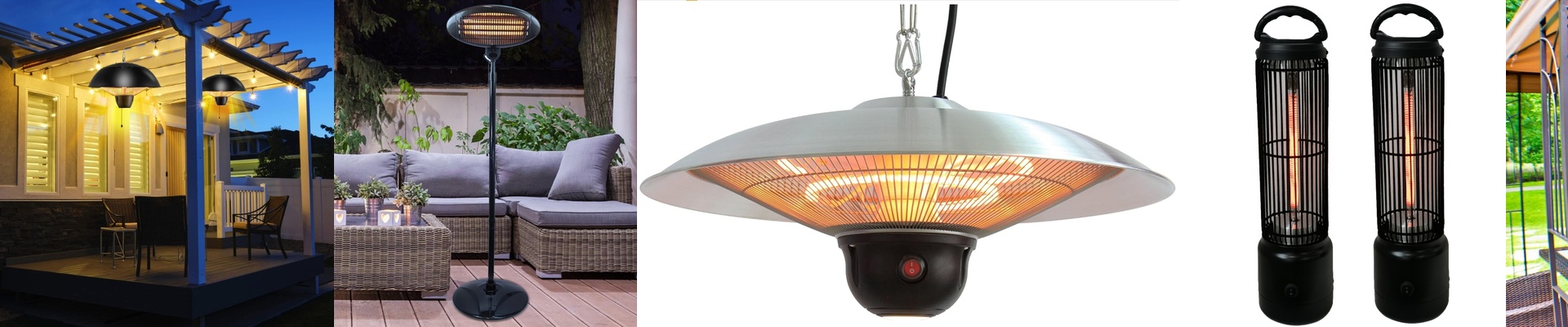

Step up to an electric fireplace heater, and the whole feel of the room shifts. No waiting around for ductwork to warm up, no drafts chasing you across the floor—just a steady, immediate glow that turns cold air into a soft, even blanket of warmth. That comfort isn’t a trick. It’s infrared radiant heat, doing exactly what it’s built to do.
What’s actually going on under the hood
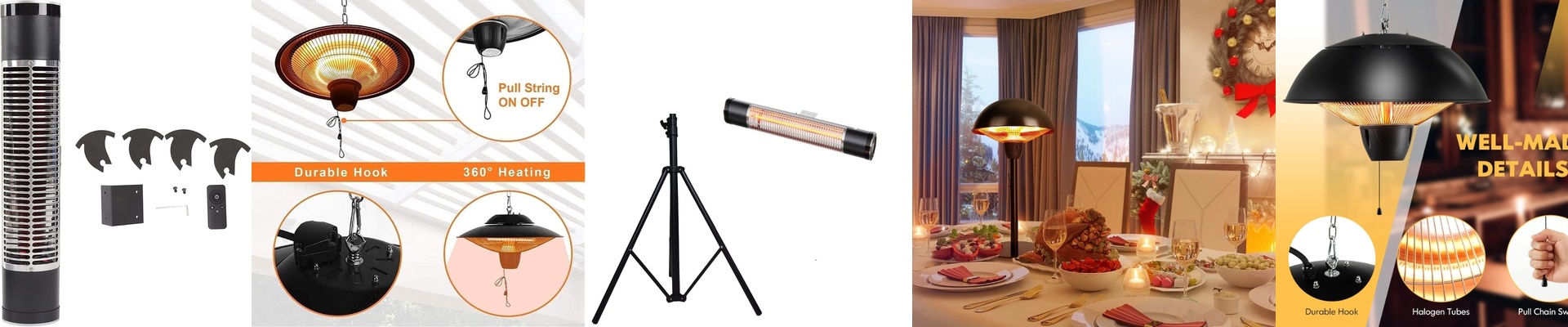
Electric fireplace heaters lean on infrared elements—usually quartz tubes or carbon fiber—to put out radiant warmth that hits people and objects directly, instead of wasting time heating the air. Most models pull 1,500 watts off a standard 120V outlet, which is enough to take the chill off a living room, bedroom, or enclosed porch without any rewiring.
A built-in thermostat keeps output consistent, and the safety lineup is standard issue: tip-over protection and an overheat cutoff that shuts the unit down if something goes sideways. The flame effect? Purely visual, run by LEDs and mirrors. The heat source stays separate, so the front stays cool to the touch.
Why this style of heat makes sense in a living space
Indoors, comfort has to show up fast. Infrared warmth starts the moment you flip the switch, so you feel cozy within seconds. That direct heat can help with circulation and ease muscle stiffness—handy when you’re winding down for the evening.
Because the warmth is aimed where you are, you can run the house thermostat a bit lower and still feel comfortable, which can help keep energy use from running away on you. And for year-round use, you get the look of flames when you want ambiance, plus heat when you need it—no smoke, no ash, and none of the work that comes with a real fire.
The practical stuff you’ll want to get right
These heaters plug into a grounded outlet, and they need clearance along the front and sides so airflow stays clean. They perform best in well-insulated rooms up to roughly 400 square feet, depending on layout and ceiling height.
In a drafty space, the warmth can feel uneven—so pairing the unit with weatherstripping or a draft blocker is a smart move.**Follow the placement instructions.**Keep curtains and furniture out of the way so radiant heat isn’t blocked, and make sure the unit sits on a stable, level surface.