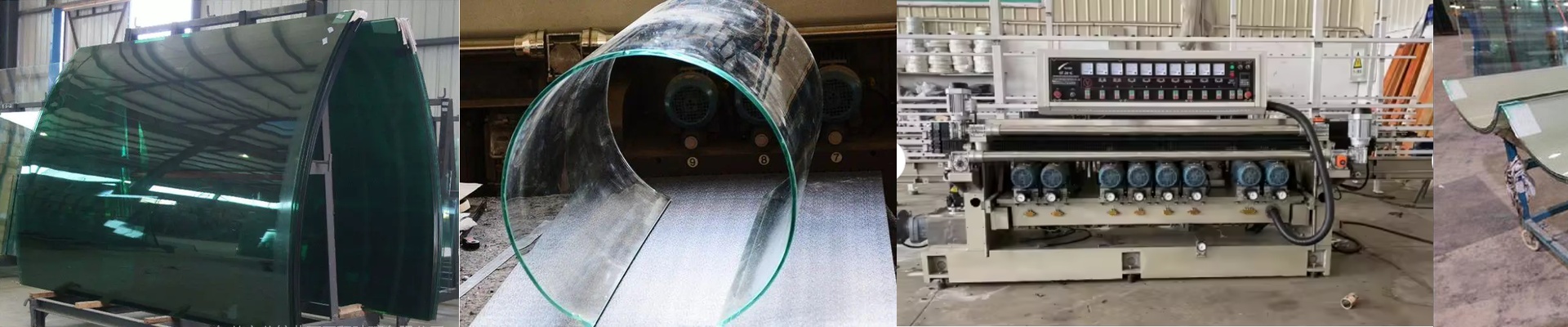
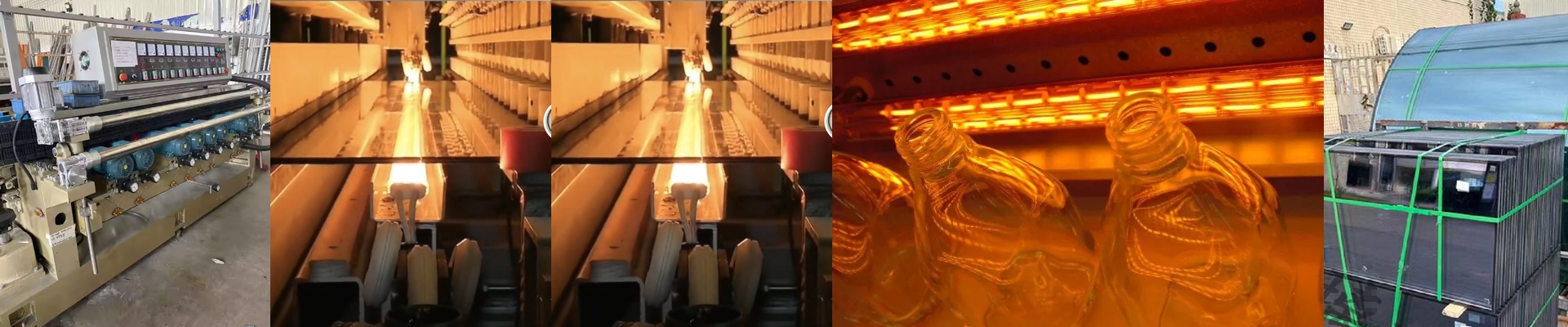
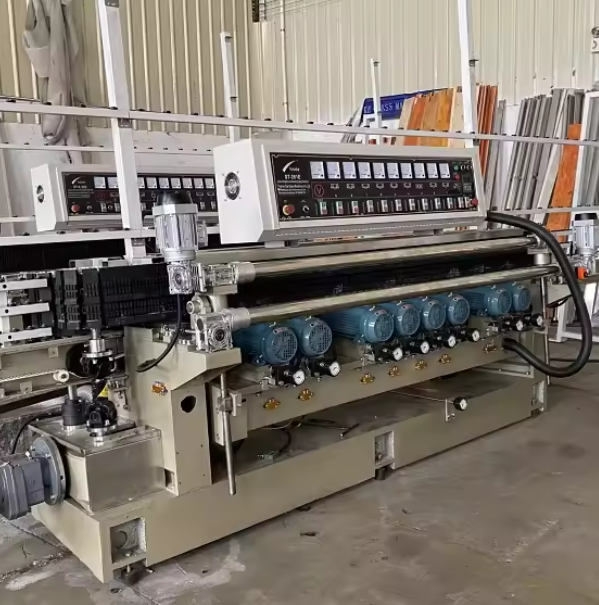
On the IGU line, the sealant cure window is tight. If the heat comes on slow or uneven, you end up with adhesion gaps, edge stress, and rejects that slip through inspection. We built the IGU sealant heating module to hit that window—every shift. What matters under the hood We run a short-wave infrared design with a quartz envelope, so response is fast and the heat stays clean. The module hits a 12°C/s ramp to 180°C, holds ±2% temperature uniformity across the sealant path, and runs at 35 W/cm² power density. That gives you quick melt and fast set without overheating the primary seal or driving thermal stress into the glass. It stays stable under 24/7 cycling, and the hot zone stays tight—no chasing drift halfway through the shift. Why it plays in IGU sealing IGU sealing is a rate play. You need the second seal to cure fast without distorting the spacer or cooking the desiccant. This module cuts dwell time, so the line keeps moving. You see fewer rejects from under-cure and fewer callbacks from field failures. Energy use drops because the heat only comes on when it’s needed, and it drops into existing frames without rewiring the whole station. Field notes—keep these straight Installation is straightforward, but alignment is where it lives or dies. The heating face has to sit parallel to the sealant bead within 2 mm. If it doesn’t, uniformity goes sideways and you risk an uneven cure. It’s compatible with most IGU presses, but verify the mounting footprint and power connector against your machine. There’s a short warm-up after cold starts, and keep the lens clean—otherwise emissivity shifts and the results stop being repeatable.