How Infrared Heaters Put Heat Right Where You Need It
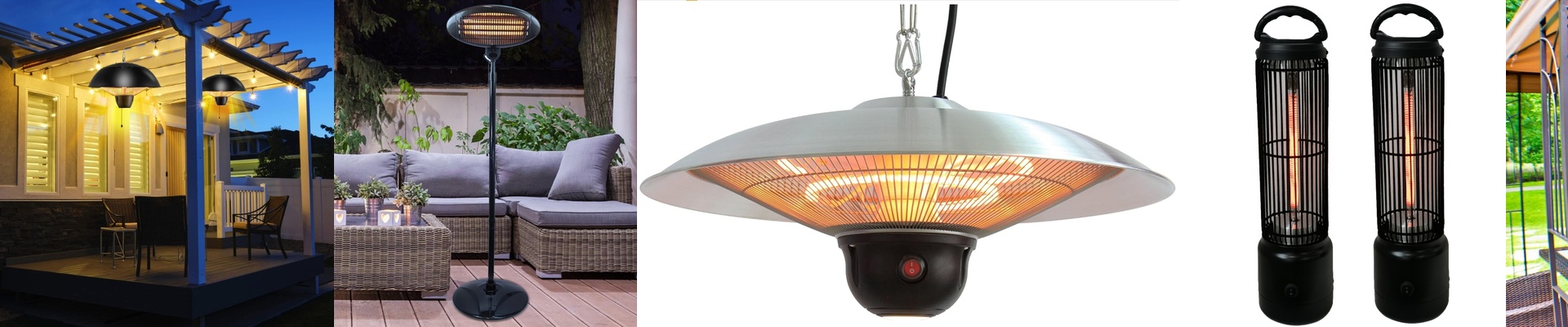
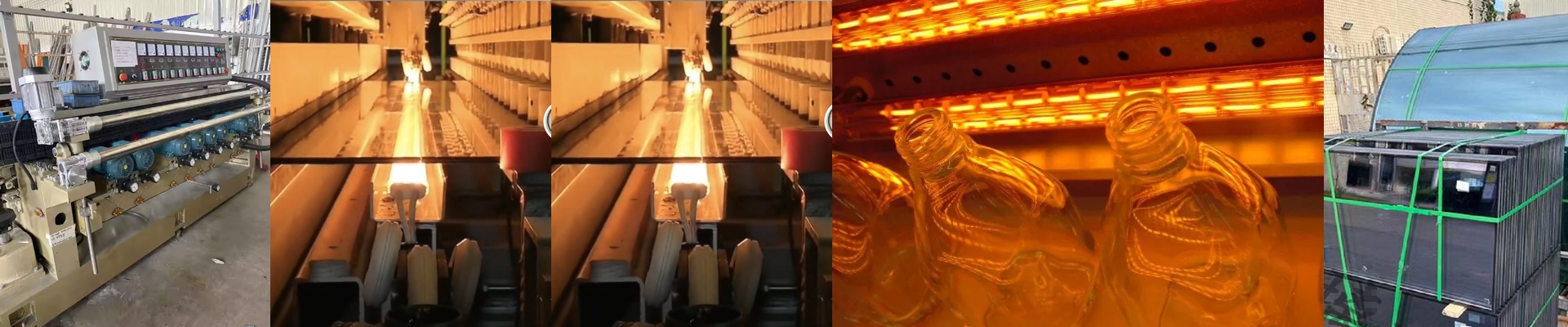
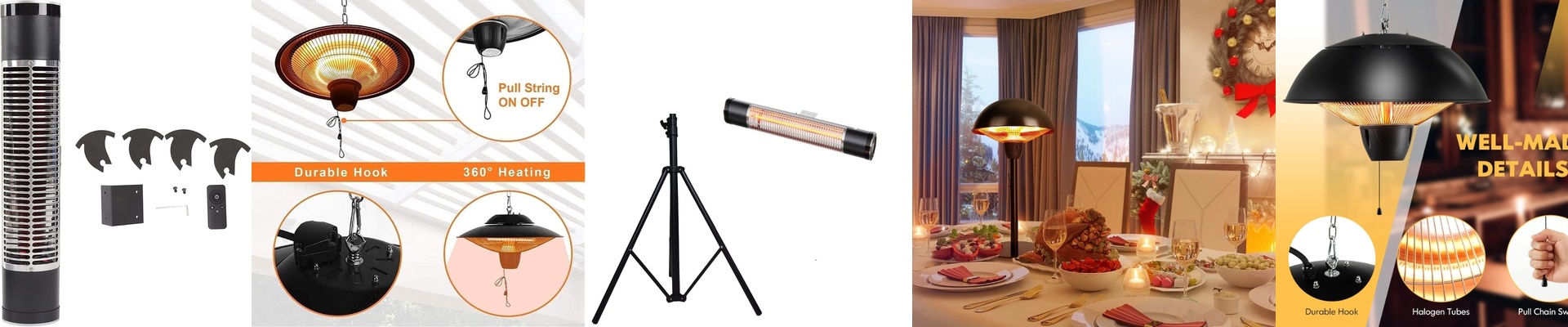
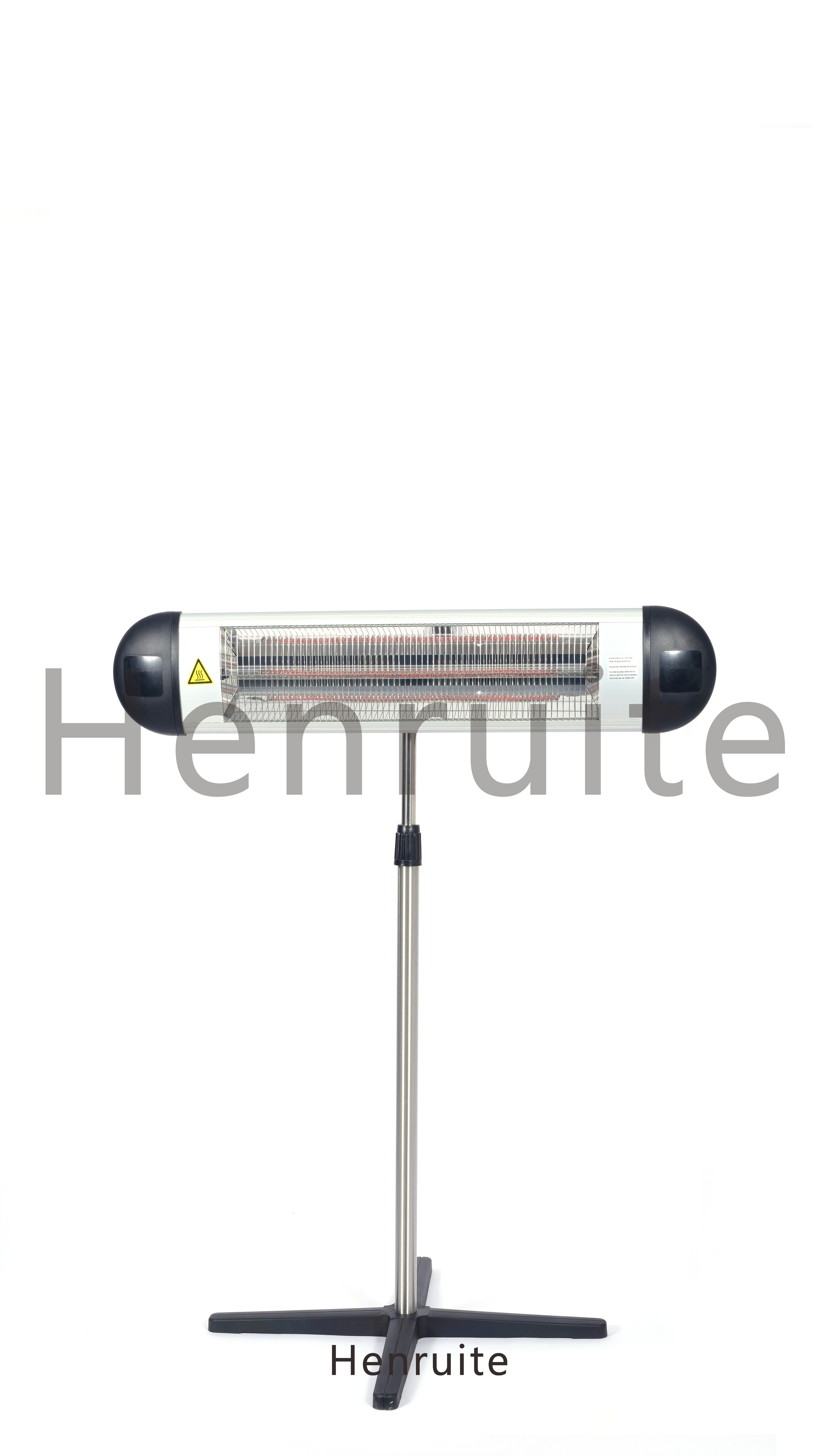
Ever warmed your hands on a sunny day? That’s the feeling we built these infrared heaters around. We were tired of seeing heat vanish into thin air in big spaces. So we set out to stop the waste. The idea is simple: heat the person or the equipment, not the whole room. Our touch-screen infrared heaters shoot warmth exactly where you point it. No more waiting for the air to catch up. No cold pockets. Just direct, instant comfort. Here’s how it works. The heater sends out short-wave infrared energy in a straight line. It warms surfaces and objects directly, like sunlight does. The air in between? It stays out of the equation. So the heat lands exactly where you aim, right away.
What Makes Them So Responsive
The performance comes down to the guts. We pair a high-wattage, short-wave element with the right voltage so the heat kicks in fast. The tube length and focal point are set to give you a clean, defined footprint. This setup packs serious heat density into a focused area. That’s what industrial tasks need. And with the touch-screen, you can dial in the exact power level yourself. Total control, right at your fingertips. But concentrated power means one thing: the unit gets hot where it stands. So the surrounding gear has to handle that warmth. Proper cooling isn’t optional—it’s part of the install, plain and simple.
Built to Take a Beating on the Shop Floor
These heaters live in rough conditions. That’s why we use a halogen-filled quartz tube to shield the heating element and keep output steady. The tube coating is made to shrug off thermal shock and chemical corrosion, so it doesn’t burn out early. Then there are the connectors—R7s and Sk15 types. They’re industrial workhorses. They carry high current without overheating, and they stay tight even when the floor is vibrating. In other words, this heater drops in and just works.
What It Feels Like to Use This
No more dead zones. No more heating empty space. You get warmth exactly where it’s needed, when it’s needed. And with the touch-screen, you can adjust on the fly as operators move or tasks change. For engineers, that means lower energy use and a steadier work environment. The heat arrives immediately, in the right direction, so people stay comfortable and processes stay consistent. You don’t have to over-spec the heating system to make it happen. The big win? Efficiency. You’re heating the target, not the air. That direct energy transfer cuts operating costs and makes the whole workspace feel better—quickly, reliably, and with way less waste.