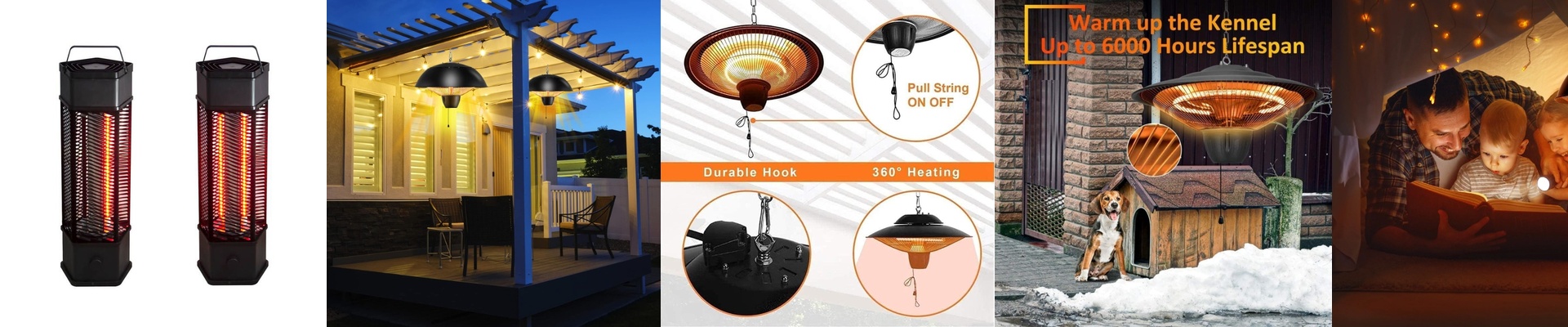
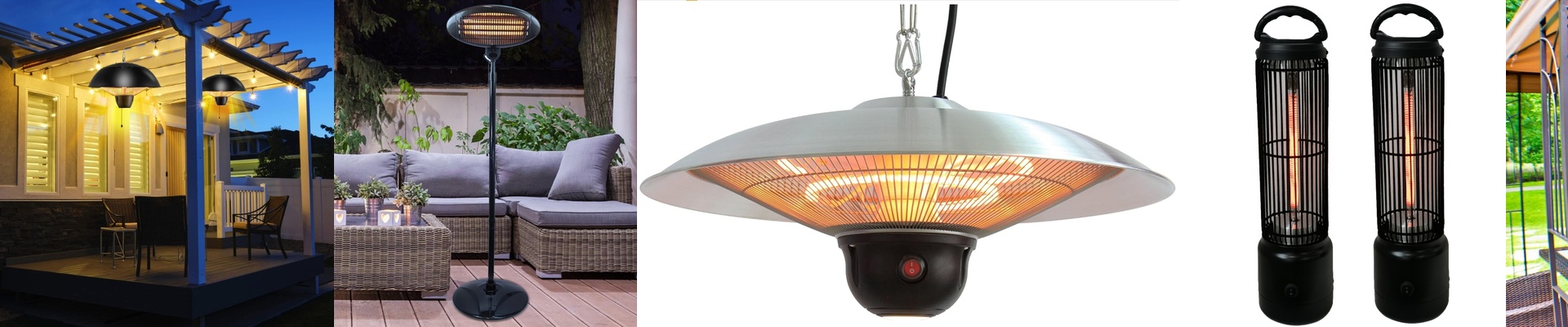
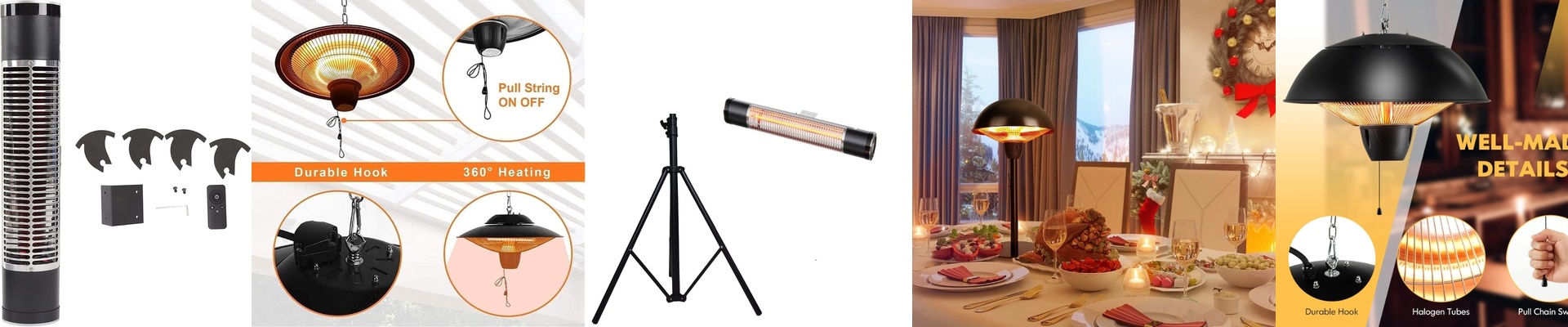


When the sun finally drops behind the horizon, that off-grid patio goes from cozy hangout to problem you need to solve. People are still out there, and they want to be warm. You can’t wait for morning light. So pairing a commercial infrared patio heater with a solar PV setup isn’t a gimmick—it’s a practical way to keep the space usable when you need it. What actually matters under the hood Infrared patio heaters deliver radiant warmth, which means they heat people and surfaces directly, not the air around them. We lean on carbon fiber elements because they come up fast and hold steady output, paired with quartz tubes to keep the heat focused and clean. In practice, a 1500W electric heater puts out about 5100 BTU/h and pulls roughly 12.5 amps on 120V. Many commercial units also come in 240V configurations, which drops the current draw and cuts line losses—handy when you’re feeding the heater from a solar battery bank. Why this pairing clicks Solar PV supplies the power; the infrared heater turns it into usable warmth efficiently. Because infrared warmth is directional, you feel it immediately, and you can keep a seating area comfortable without trying to heat the entire yard. For off-grid homes, that means you can use daytime solar generation to cover evening heating needs, often most of them. You get comfort, you stretch the outdoor season, and your energy picture stays predictable. What you need to get right Sizing matters. A 1500W heater can handle a small, sheltered patio for a handful of people; bigger spaces usually call for multiple units or a higher-wattage commercial model. Check the heater’s voltage, plug type, and IP rating—look for IP34 or higher for outdoor use. Also make sure your inverter and battery bank can handle the startup load, because heating elements draw full power the instant they switch on. Plan properly and the trade is straightforward: a bit more upfront wiring for evenings that feel warm without the hassle.