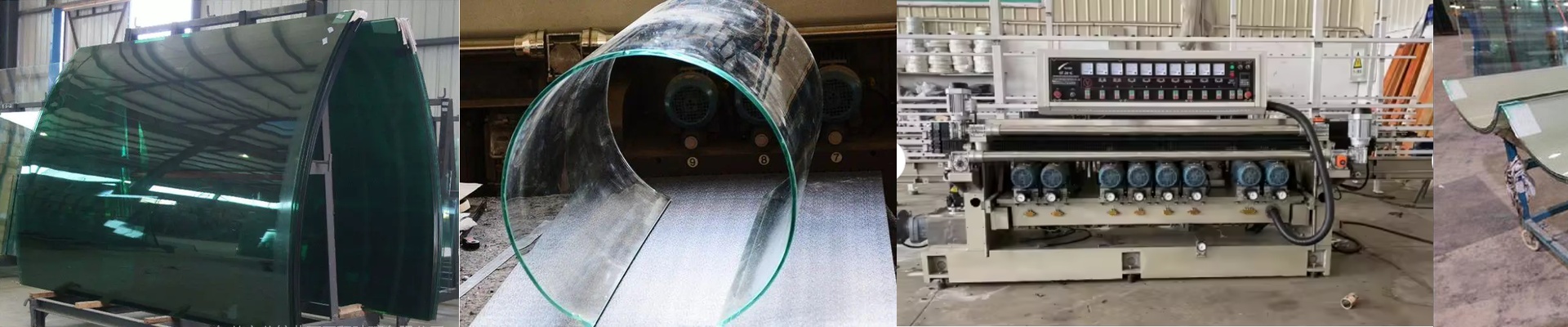
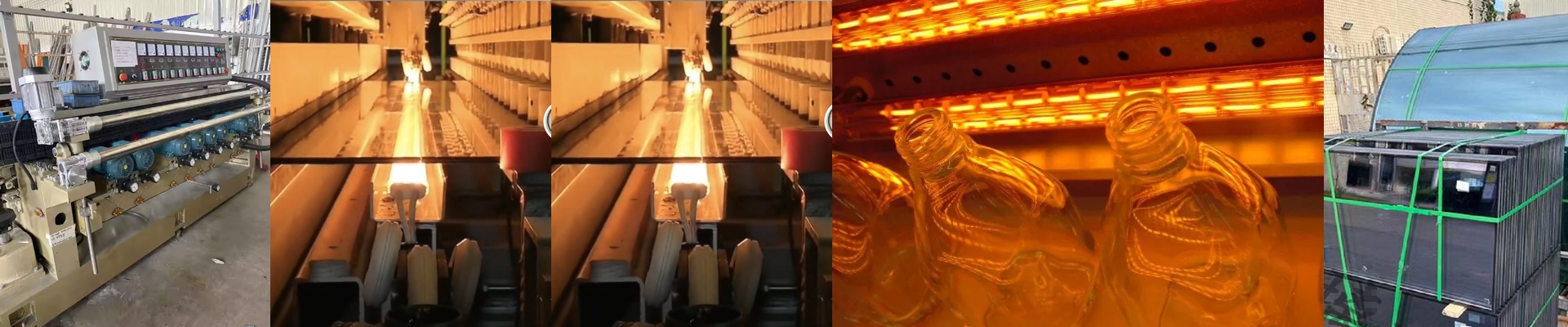

On the bending line, temperature isn’t just a setting—it’s the muscle that pulls the glass into shape. When the furnace drifts or the thermal field turns spotty, you know it instantly: optical distortion, edge waves, and parts that can’t pass a flatness check. Rework piles up, and the furnace sits idle while you try to wrestle stability back. What actually matters under the hood We design heating modules around tight temperature control because bending needs repeatable heat across the whole load. Quartz or short-wave infrared elements give you snappy response, so the furnace recovers fast after door openings and load changes. The control system holds setpoint within tight tolerance, and zoned heating keeps uniformity edge to edge. This isn’t about max heat. It’s about stable, controllable heat that follows the process curve. Here’s why that translates on the floor: in a bending furnace, stable temperature equals yield. You get faster cycles because the furnace hits the bending window and holds it without overshoot. Temperature uniformity cuts thermal stress and lowers the risk of spontaneous fracture, so you can run thick and thin glasses with fewer scrapped bends. Energy use drops, too—the system heats only when needed and recovers quickly, so throughput stays steady. A few practical notes. Drop-in compatibility comes down to furnace chamber geometry, mounting, and your existing power and control interface. Expect a short commissioning window to dial in zone balance for your glass mix and dwell profiles. In high-humidity plants, protect the control enclosure—moisture can work its way into terminals and throw off measurement accuracy. And match the element type to your glass emissivity and cycle profile, or you’ll be chasing temperature instead of stabilizing shape.