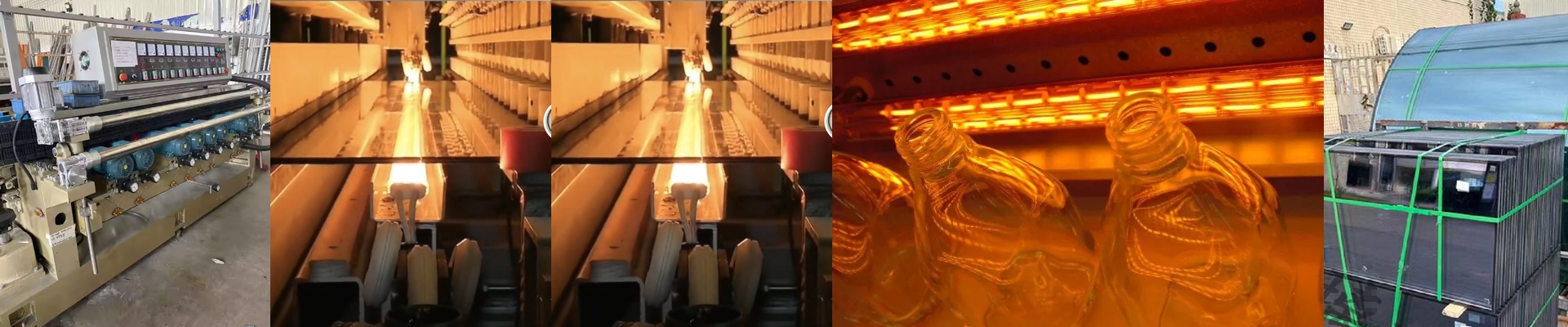
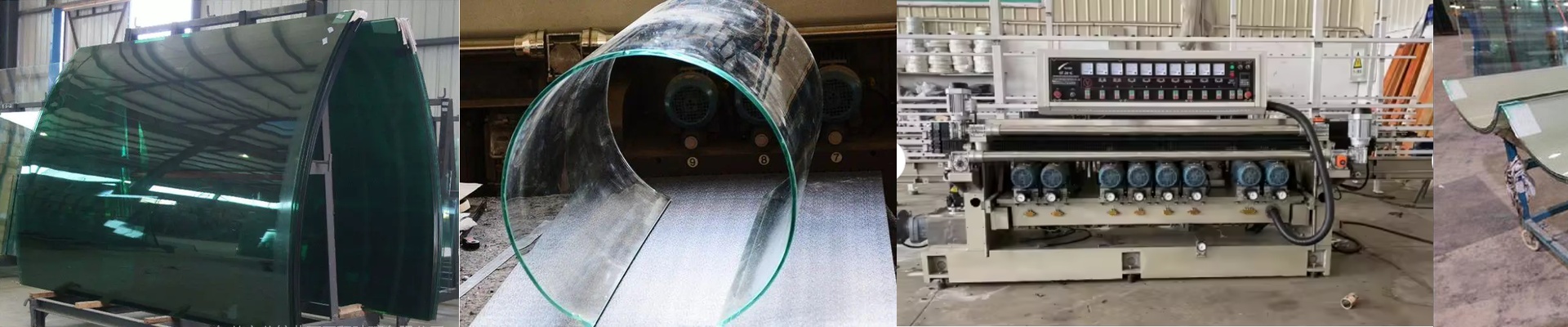
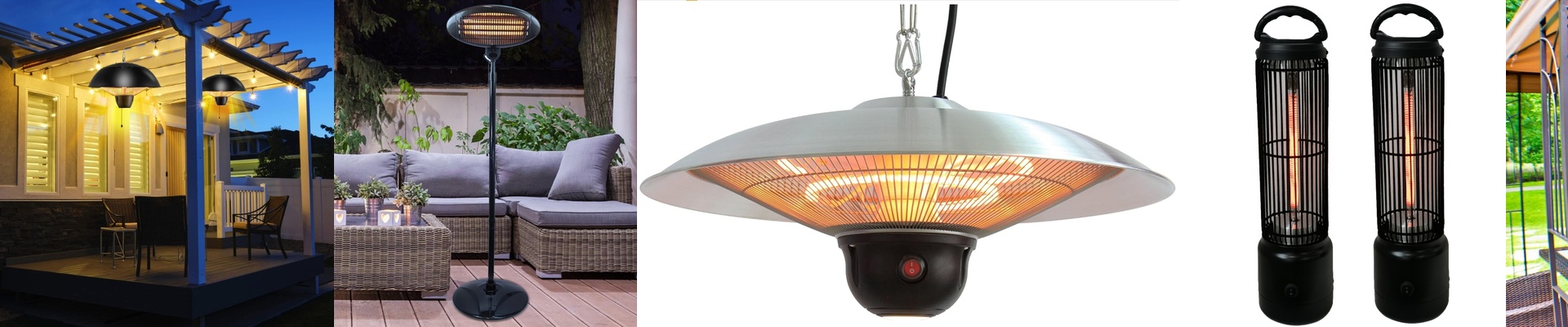
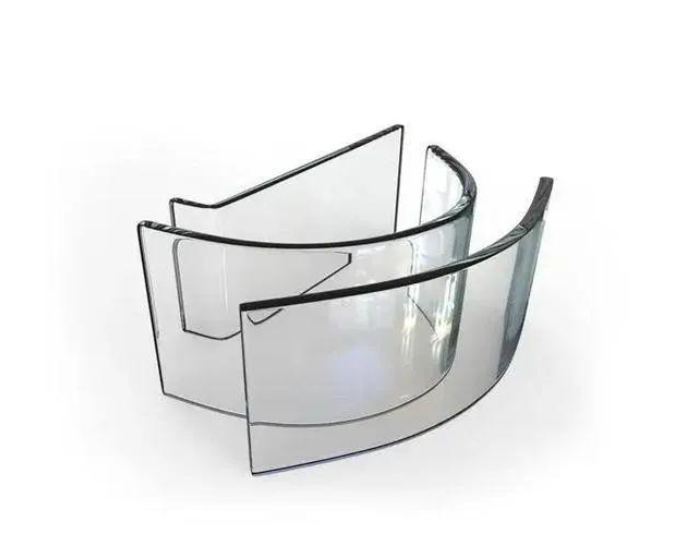
On the line, annealing is where you make or break the glass. One cold spot, one hot streak, and you’re staring at thermal stress—spontaneous fractures, optical distortion, warp that will mess up downstream bending and lamination. The annealing lehr lamp has to smooth those gradients out, quickly and consistently.
What matters under the hood
We run short-wave infrared quartz emitters that dump energy straight into the glass with minimal convection. You get a tight, repeatable thermal field across the whole belt width, and uniformity that holds up zone to zone. Power density and lamp geometry are matched to line speed and glass thickness, so the heat profile keeps pace with the annealing curve instead of lagging behind. We spec conductors and terminals to hold steady current, and the assembly is built to live in the heat and dust of a glass plant without drifting.
Why it holds up in practice
Even heating is the only practical way to keep stress fractures and shape instability from sneaking in. When the thermal field is level, the glass cools predictably through the critical annealing range, keeping viscosity and molecular relaxation in step. The payoff is fewer rejects, fewer line stoppages for rework, and consistent optical clarity on coated and laminated parts. The fast response also supports higher throughput without cooking the furnace body, which keeps energy use where it should be.
The shop-floor details
These lamps are straightforward to integrate, but alignment and reflector condition are non-negotiable. Keep emitter-to-glass distance consistent, and stick to a schedule for checking reflector cleanliness—dust and oxidation will throw uniformity off. Plan for thermal expansion in the mounting hardware, too. Run within the rated voltage and cooling parameters, and you’ll get stable output over long campaigns, with maintenance windows you can plan around.