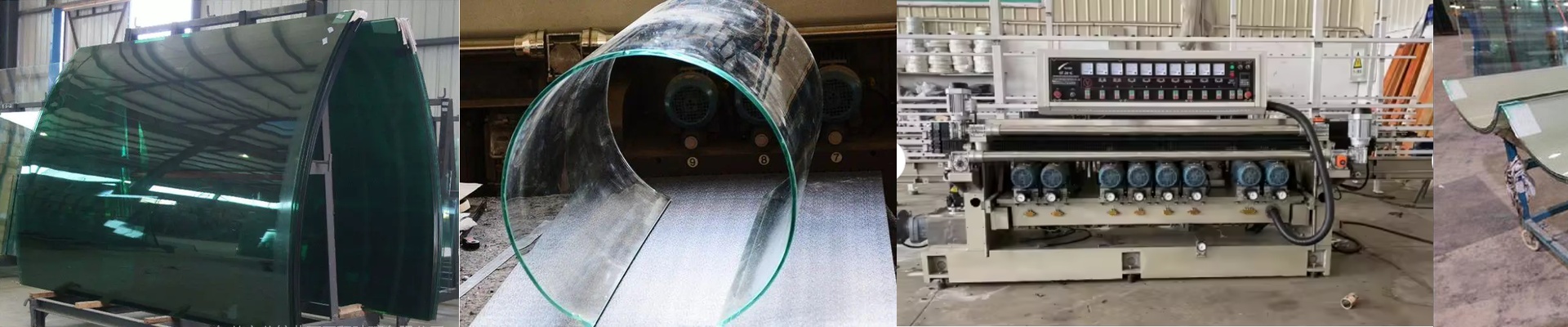
On the line, the bending station sets both the shape and the pace. When the heater starts to drift, you know it right away: uneven curvature across the batch, optical distortion, and edges that won’t take the set you need. You push the glass, and it either bends too fast—loading up thermal stress—or too slow, stalling the whole tempering run. The heater has to deliver stable, repeatable heat, quickly, without hot spots. It has to keep operators safe, keep the furnace profile honest, and keep the machine moving. This tempered glass bending heater was built for that reality. It’s meant to run hard, day after day, in glass plants where yield, uptime, and safety aren’t topics for debate.
What matters under the hood
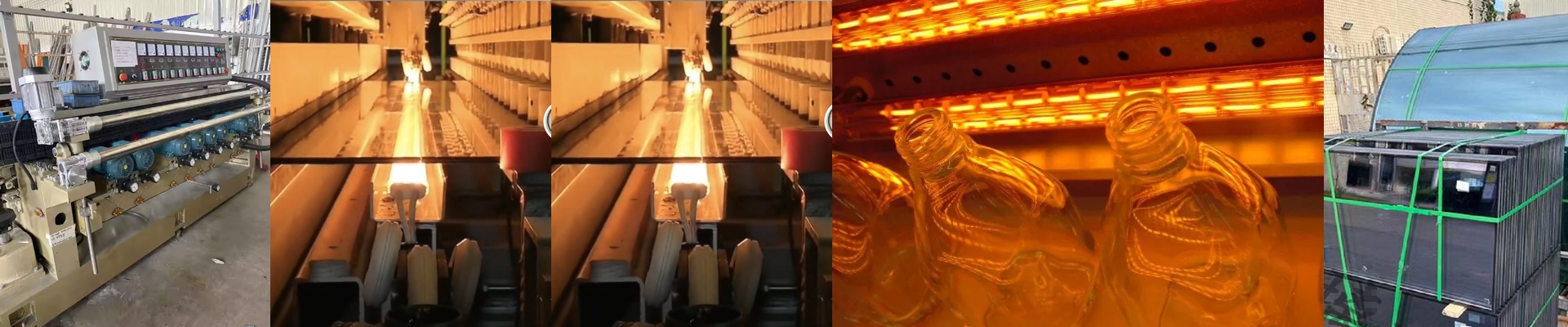
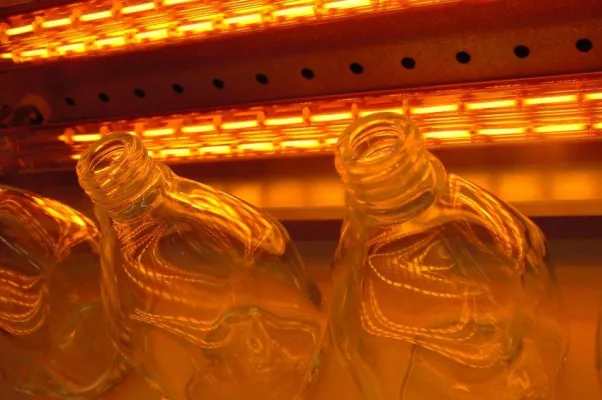
The core is short-wave infrared (SIR) quartz elements, because you need fast response and heat that goes straight into the glass surface. In bending, you want energy where it counts—on the glass—not wasted heating the chamber. SIR gives you high power density with low thermal inertia, so you hit setpoint fast and correct deviations just as fast. The specs were chosen to match industrial bending furnaces and retrofits:
- **Wavelength and response:**Short-wave output peaks around 1–2 μm, coupling efficiently with the glass surface to raise temperature without leaning on convection heating of the surroundings.
- Power and voltage:Units are available for 240 V and 480 V three-phase, sized to match furnace zones from 12 kW to 72 kW per module. Power density is tuned to keep the heating rate consistent across the bending cycle.
- **Element design:**Quartz tubes with high-temperature alloy end caps and internal filament supports. Geometry is set to spread radiation evenly across the glass width, cutting down stripe patterns and edge overheat.
- **Control interface:**PID controllers with SSR outputs, standard terminal blocks, and an optional 4–20 mA input for remote setpoint. Thermocouples are K-type or N-type, picked for stability at bending temperatures.
- **Mounting and connections:**Retrofit-ready mounting footprints and quick-connect terminals so replacement is straightforward. Terminal housings are rated IP54 for dust and splash resistance on the plant floor.
- **Safety and monitoring:**Over-temperature limit switches, grounded metal housing, and shielded wiring to reduce electrical noise. Operator access panels stay cool, and the chassis is earthed before it leaves the bench. Materials matter. Quartz handles thermal shock well and keeps emissivity consistent across repeated heat-up and cool-down cycles. The support structure uses ceramic insulators and heat-resistant alloys to prevent sagging and shorting as the system cycles. The result is a heater that tracks setpoint tightly, even when the furnace door is opening and closing every cycle.
Why it holds up in a bending furnace
In tempered glass bending, the heating profile drives the shape. If the thermal field is uneven, you get stress marks, optical distortion, and curvature that falls outside spec. You end up scrapping glass that only failed because the heat distribution was off. This heater gives you a uniform thermal field across the glass width, with rapid recovery after door openings and charge changes. That means fewer rejects, tighter control over curvature, and cycle times you can count on. The fast response of short-wave infrared lets you run shorter heating windows without sacrificing shape accuracy, which opens up furnace capacity for more glass per hour. Energy use hits the bottom line. Short-wave infrared heats the glass directly, not the air, so less energy gets wasted heating the furnace structure. In practice, plants see measurable reductions in kWh per square meter of processed glass, especially when replacing older resistive coil systems or long-wave heaters that rely more on convection. Uptime is the other cost. The design is built for high cycle rates, with elements that tolerate repeated thermal shocks. When a module needs replacement, you swap it in minutes—no recalibration headaches, no long teardown. The line keeps moving. Safety isn’t a slogan here. External surfaces stay at safe temperatures during operation, and internal over-temperature protection prevents runaway conditions. On a shop floor where operators work close to the furnace, that matters.
What you need to get right on install
This heater fits standard bending furnaces and can be a drop-in replacement for many OEM heating modules. Still, a few practical details make or break the job.
- **Clearance and radiation path:**Keep the specified distance between the element and the glass. Too close, and you risk localized overheating; too far, and you lose heating speed and uniformity.
- **Power supply and load balance:**Match the heater to the supply voltage and phase configuration. On 480 V lines, keep phases balanced to avoid nuisance trips and uneven element life.
- **Control tuning:**PID settings depend on furnace mass, door cycle frequency, and glass thickness. Start conservative and tune from actual temperature curves, not theory.
- **Environment:**The IP rating covers typical splashes and dust, but high-pressure washdowns or caustic cleaning agents near the terminals can degrade seals. Keep the terminal area dry and clean during routine washdown.
- **Temperature limits:**This heater is designed for bending temperatures, not softening or melting ranges. Exceeding the rated window shortens element life and can damage the quartz tubes. If you run mixed thicknesses, expect to adjust zone power or dwell time. That’s normal. The heater gives you control; you still have to set the process correctly. On the floor, the scoreboard is simple: consistent bend, predictable cycle time, and fewer stops. This tempered glass bending heater delivers that—with the control, efficiency, and safety the line has to have.