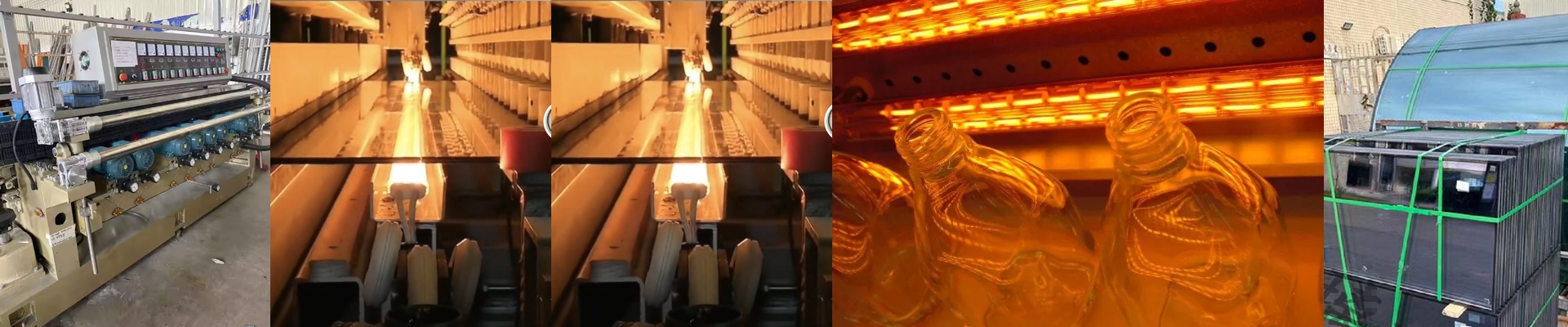

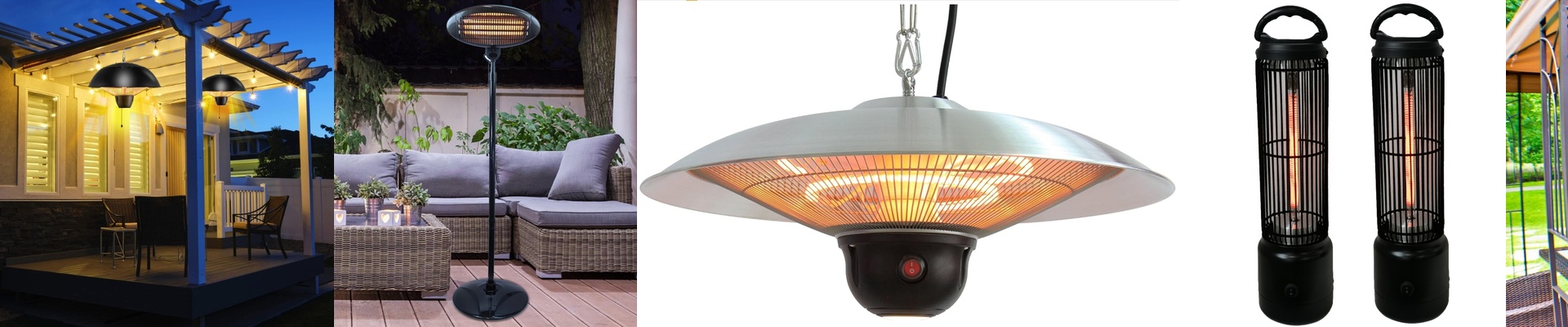
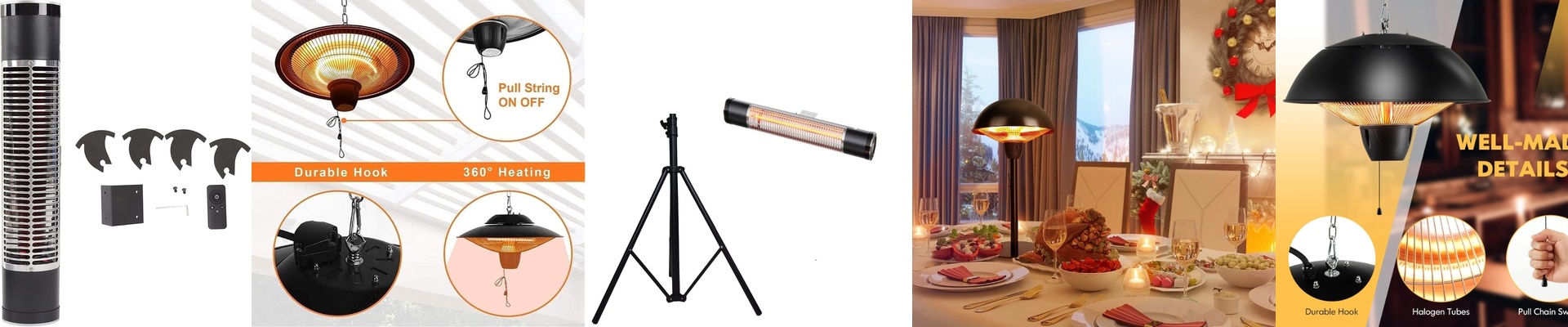

Stepping out of the shower only to be hit by damp, chilly air is a bathroom reality for too many. Undersized heating leaves tile floors ice-cold and mirrors fogged up, while an oversized unit just throws money at the problem. The fix? Pick the right industrial infrared heater—quartz or halogen—in the correct wattage, so radiant warmth hits exactly where you need it, when you need it. What actually matters under the hood Industrial infrared heaters work by radiation, warming people and surfaces directly instead of fighting to heat the air. In a bathroom, that means comfort arrives faster and condensation takes a back seat. We build these units with sealed quartz tubes and reflectors that keep the output focused, so more of the energy turns into usable warmth instead of being lost to convection. Common sizes are straightforward: 1500W and 2000W models on 120V circuits, and 3000W on 240V when the circuit can handle it. The rule of thumb is simple. Small to medium bathrooms—roughly 40–70 sq ft—are usually well matched to 1500W. Larger spaces, around 70–100+ sq ft, step up to 2000W–3000W. Match wattage to room size, and you get quicker warm-up, more consistent comfort, and a lower running cost per shower. Why infrared fits bathrooms so well Bathroom comfort isn’t just about air temperature. It’s about drying and warming the surfaces that touch you—floors, towels, walls. Infrared heat targets those directly, so you feel cozy sooner and the damp chill doesn’t linger. Proper sizing also helps keep humidity in check, so the room dries faster between uses. That means shorter heating cycles, less energy consumed, and fewer wet spots that lead to maintenance headaches. For households, it translates to a dependable warm zone—morning after morning—without oversizing the heater or the electric bill. What you need to know on the install side Installation is straightforward, but placement makes or breaks it. Mount the heater so the beam of warmth sweeps across the floor and the key surfaces, and keep clearances to walls and ceiling as the manual specifies. In wet areas, use a GFCI-protected outlet, and pick a model with a protective guard plus tip-over protection for added safety. One practical note: because infrared heats people and objects directly, the air temperature may feel a touch lower than what you’d get with convection heat. Get the wattage right, and mount it on the ceiling or wall where the beam pattern works, and the warmth feels steady and even.