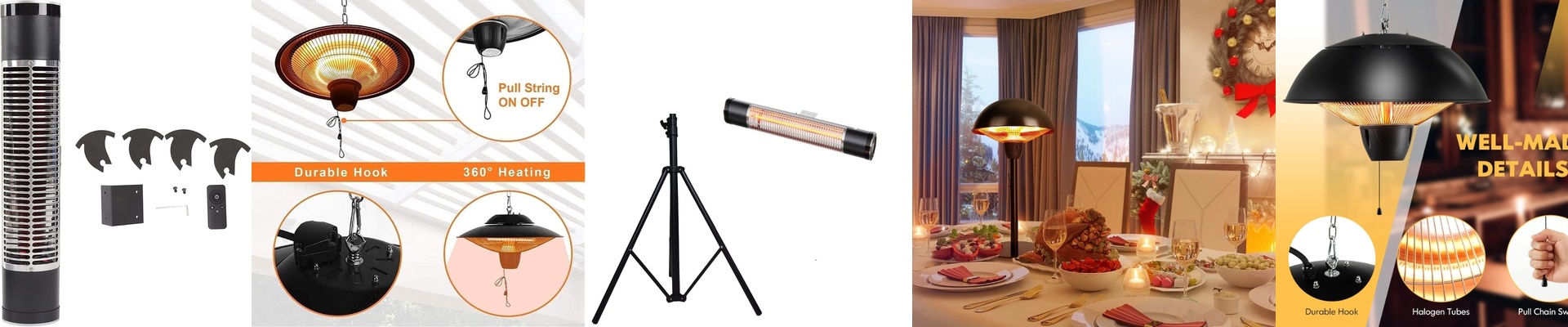
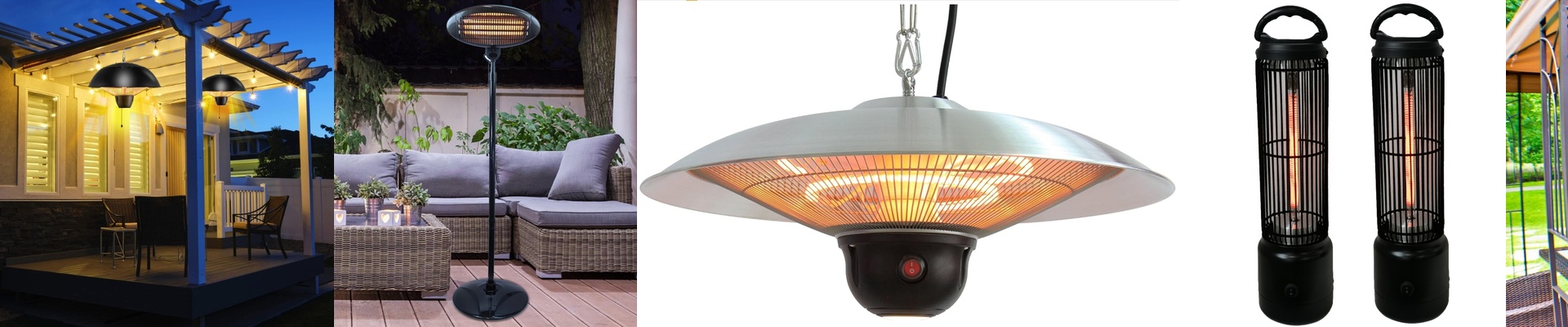
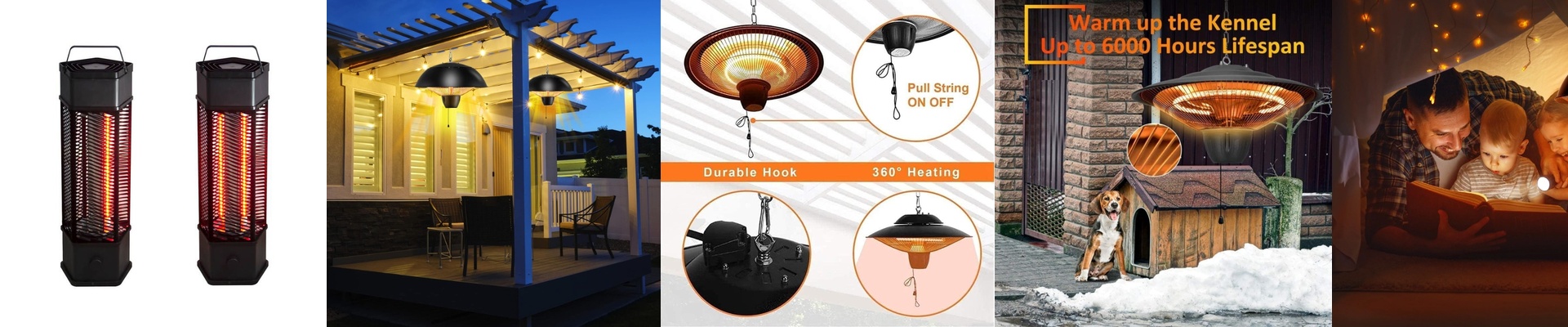
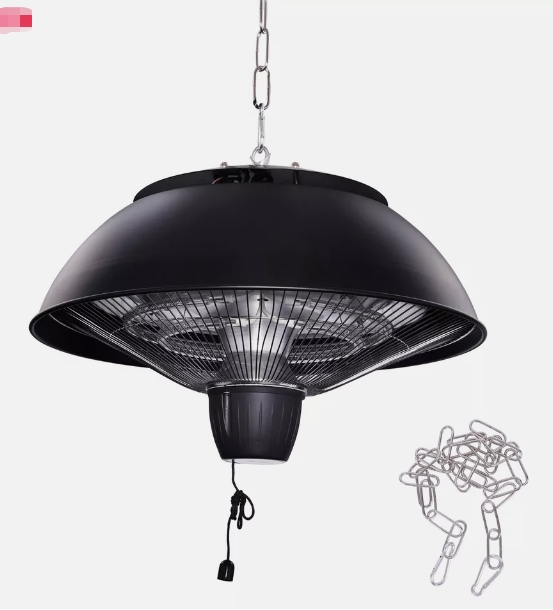
A damp bathroom isn’t just an annoyance. It quietly rolls out the welcome mat for mold, musty smells, and surfaces that never seem to warm up. Warm-air heaters can end up circulating moisture and leave corners cold, while a basic heat lamp often warms the air without touching the real problem. Infrared bathroom heating goes straight at the issue, warming the surfaces and the micro-environment where dampness starts.
What matters under the hood
Infrared bathroom heaters run on radiant heat, using quartz or carbon-fiber elements that put out short-wave and medium-wave energy. You get warmth directly on floors, walls, and towels — not just in the air. Most units are designed for standard 120V or 240V circuits, pulling 1500W to 2000W, and mount either flush or with a simple bracket. A built-in thermostat holds the temperature steady, and tip-over protection adds a practical safety margin. Look for an IP rating rated for humid zones, and a sealed heating chamber that won’t sweat and collect condensation.
Why it makes sense in a bathroom
In a bathroom, the real troublemaker is moisture that hangs around on cool surfaces. Radiant heat dries those surfaces fast, so condensation doesn’t get a chance to set up and feed mold. The lamp also delivers instant, focused warmth when you step out of the shower, which helps keep towels and floors dry between uses. That means fewer musty odors and less reliance on harsh cleaners. For you, it adds up to a bathroom that feels genuinely fresh, not just warm.
What to keep in mind
Infrared bathroom heaters do best when installed near the shower zone and aimed at the usual wet spots, with proper clearances respected. They work best alongside ventilation, not as a replacement for an exhaust fan. Pair the heater with a timer or a humidity-sensing control to automate dry cycles, and make sure the circuit can handle the wattage. The payoff is a bathroom that stays comfortable and drier, with less scrubbing and a more relaxed feel.