Steam on the mirror, towels drying nearby—when the heat is steady, the whole routine feels like a small reset. But that calm only lasts if the heater is dependable. In a bathroom, a unit that fails isn’t just a hassle. It can leave you with cold drafts, clammy surfaces, and that uneasy feeling about safety.
What’s actually under the hood
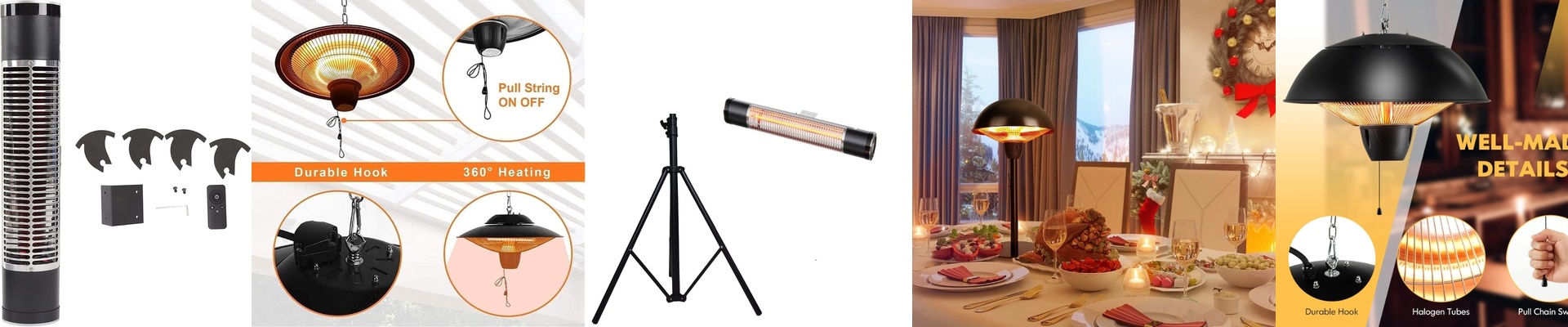
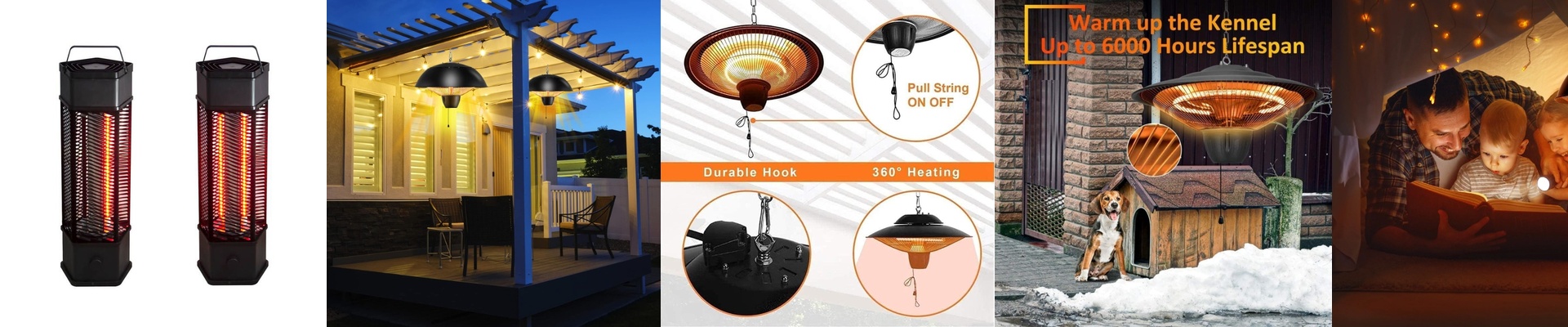
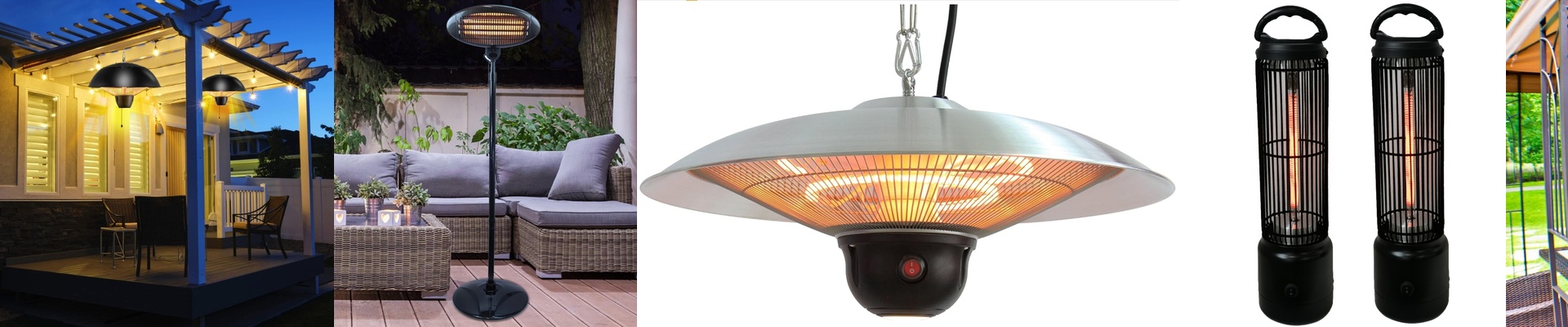
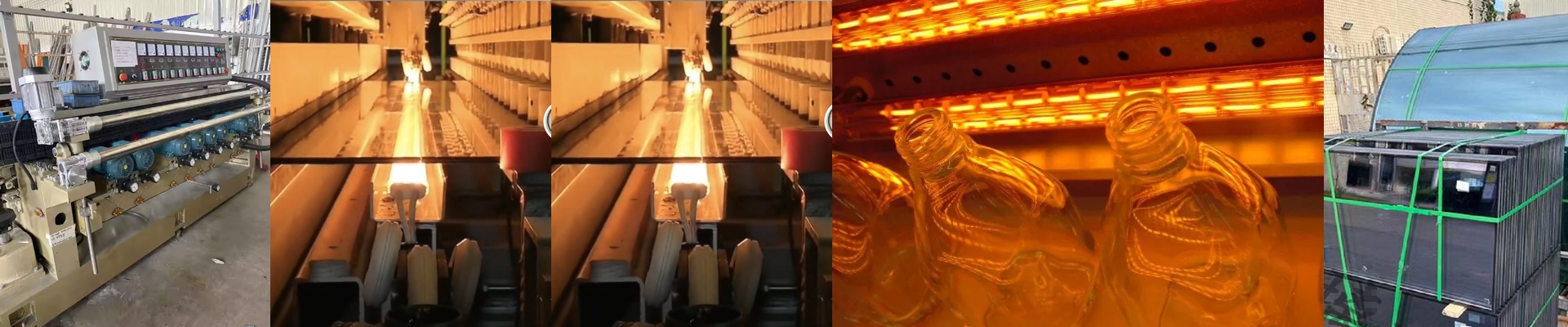
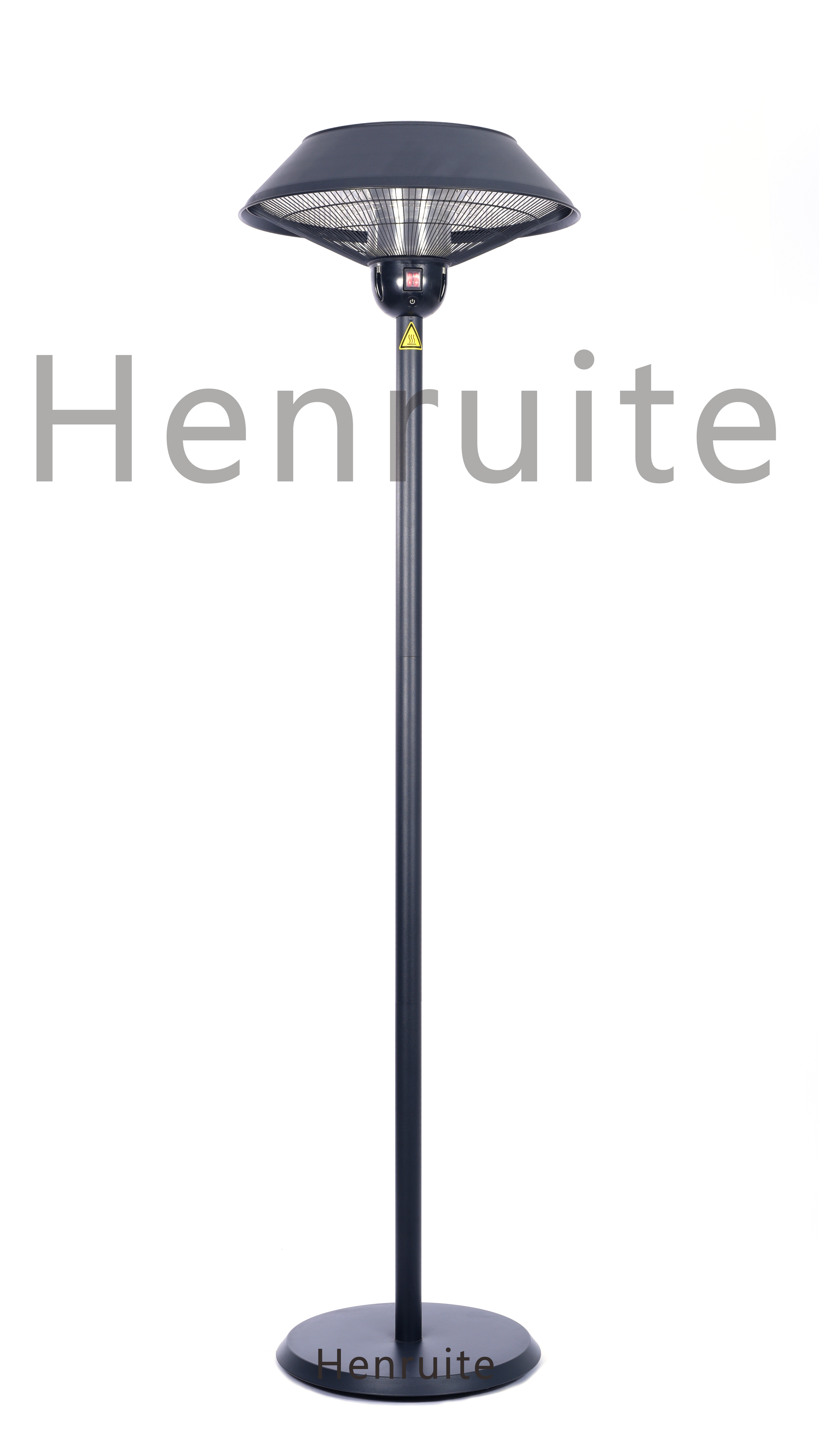
We built this fan heater around an infrared heating lamp, using explosion-proof quartz tubes. The quartz envelope is meant to handle thermal shock and pressure spikes, so the element stays stable even when it’s cycled on and off quickly. The element delivers instant radiant warmth, and a quiet internal fan spreads it evenly. You feel comfort fast, instead of waiting for the room to slowly crawl up in temperature. In practice, the air and surfaces settle into a stable temp sooner, and the unit holds steady output without the swings that make bathrooms feel chilly after a shower.
Why this setup works in a bathroom
Bathrooms are tight, humid, and often under-ventilated—conditions that stress any heater. Here, the combo of infrared warmth and the fan helps cut down cold spots and keeps surfaces from feeling damp, so you step out of the shower into consistent comfort. The explosion-proof quartz tubes add a reassuring layer of protection, because the core heating component is built to contain unexpected stress rather than risk a sudden failure. The payoff is a bathroom that feels calm and dry, without the worry that comes with older heating methods.
The details that matter
This heater needs a dedicated outlet and should be mounted with the clearance from water sources that the manual spells out. It’s designed for indoor bathroom use—not for fully exposed outdoor showers. Pair it with a properly rated circuitto avoid nuisance tripping, and clean the intake regularly so airflow and temperature control stay consistent.