
Introduction
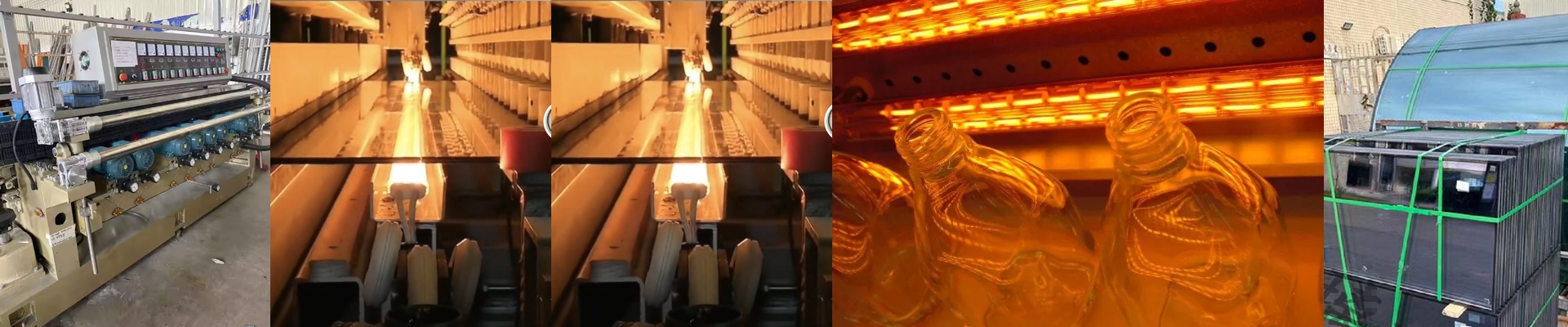
Picture this: you’re on the glass paint line, and the clock is ticking. The coating is down, but the moisture has to go. Fast. Without messing up the color or the finish. That’s exactly why we built these shortwave infrared halogen heating lamps. They zero in on the flash-off zone and get the job done with focused, high-intensity infrared. The result? Moisture is zapped away quickly, your line keeps its pace, and you don’t waste a single watt of energy.
Power, Voltage, and Size: What Makes It Click
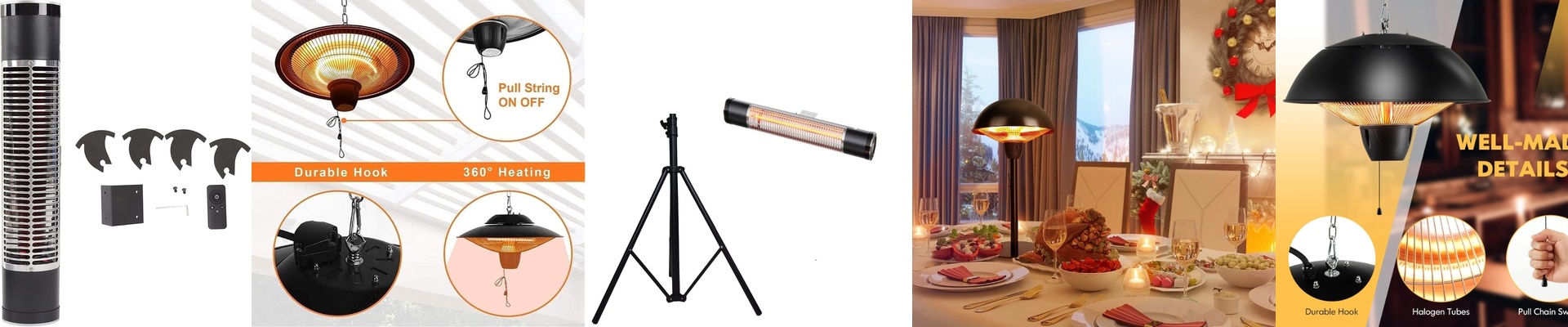
Here’s the heart of it: we use a shortwave infrared halogen element, usually running at 2500W on a 400V supply. That combo packs serious heat into a small space. Just enough to clear moisture off the glass in seconds. We size the tube length to match your conveyor width, so the heat blankets the whole part evenly. No scorched edges. No cold spots. Now, the catch is real. High heat density means you need a cooling and electrical setup that can keep up. If your control system can’t handle the heat, the lamp will push ambient warmth into the enclosure. So we make sure everything lines up before it leaves the shop.
Built to Last: Quartz, Coating, and a Smart Connector
Inside, the halogen element sits in a quartz tube. Quartz is perfect because it lets shortwave infrared through with ease and shrugs off the shock of rapid on/off cycles. We also coat the tube to shape the spectral output, focusing the energy on the water absorption band and filtering out wavelengths that can hurt sensitive pigments. On the hardware side, we chose an R7s connector. It locks the lamp in place, handles the current without fuss, and stays steady even with vibration. And because it’s a drop-in replacement, swapping one out is a breeze—no rewiring the whole fixture.
What It Feels Like on the Line
In the flash-off zone, the lamp goes straight after moisture. Infrared energy penetrates the wet film and drives off water before the coating fully cures. That’s huge, because it keeps the color and gloss exactly as intended. No pigment shift. No bloom. And because the drying cycle is short, your energy draw drops compared to slower convection methods. You get a repeatable process, stable color, and a line that can run faster without adding extra oven sections. It’s fast. Really fast. And that changes everything for your workflow.