


Making Glass Annealing Work in Tight Spaces
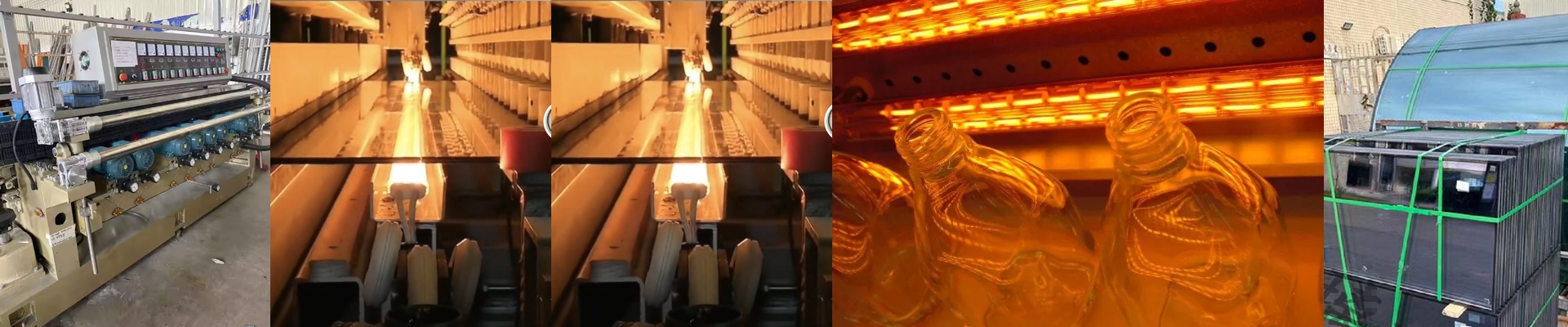
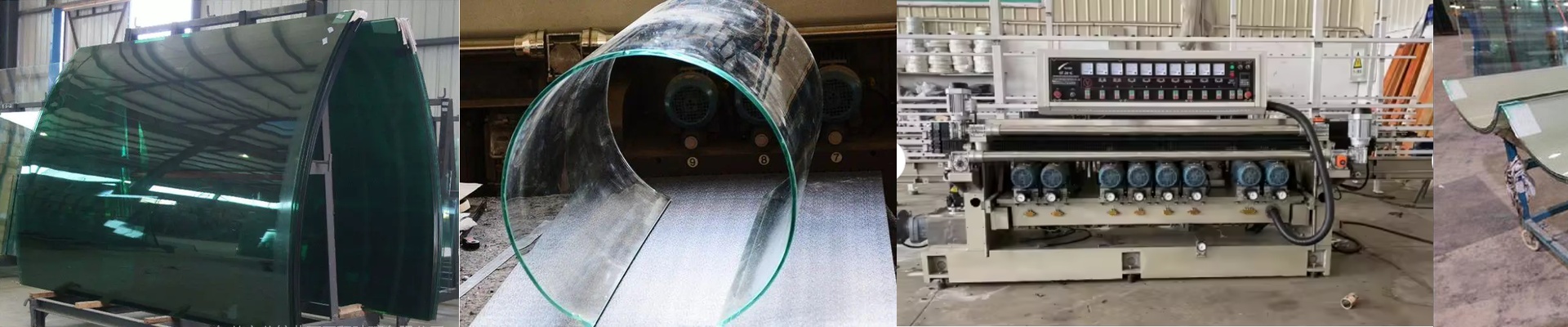
If you’re working with train window glass, you know the drill. The annealing has to be spot on to get rid of those internal stresses. But here’s the problem: most bending furnaces aren’t built to a standard blueprint. When your floor space is tight, off-the-shelf heating elements are a nightmare. They’re either too long—meaning they’re bumping into the transport system—or they leave these annoying dead zones where the glass just doesn’t get hot enough. It’s frustrating. You shouldn’t have to rebuild your entire furnace frame just to get a lamp to fit. Getting the fit right We take a different approach. Instead of asking you to compromise, we build the lamps to your exact measurements. Down to the millimeter. Need a specific curve for a window? Or a precise length so you aren’t hitting the furnace wall? We handle the quartz envelope and the filament layout to match your chamber’s geometry. It’s a drop-in replacement. You slide it in, it fits, and you can get back to work. No guesswork, no hacking the chassis. It’s all about the heat Customizing the length isn’t just about making it fit in the box. It’s about how much power you’re packing into every inch. By tweaking the filament density, we can control exactly how much heat hits the glass. Since we use shortwave IR, the heat sinks in fast. That’s a lifesaver when you’re running those quick heating cycles for train windows. Plus, because these lamps are custom, you can crowd them into tight arrays. That means no more cold spots across your glass sheets. One thing to watch out for Here is the catch: when you pack a lot of wattage into a small, custom shape, your electrical bus feels it. If you’re pushing the limits to hit your temperature targets, your cooling fans and ventilation need to keep up. If the ends of the lamps overheat, the filaments will burn out way faster than they should. Before you wire up a high-density array, do yourself a favor and check your airflow. It’ll save you from a headache later.