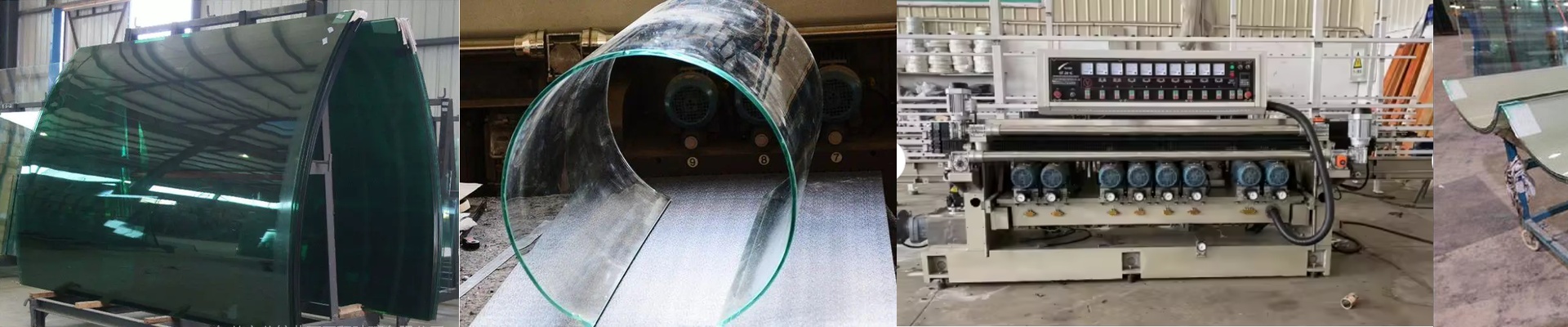
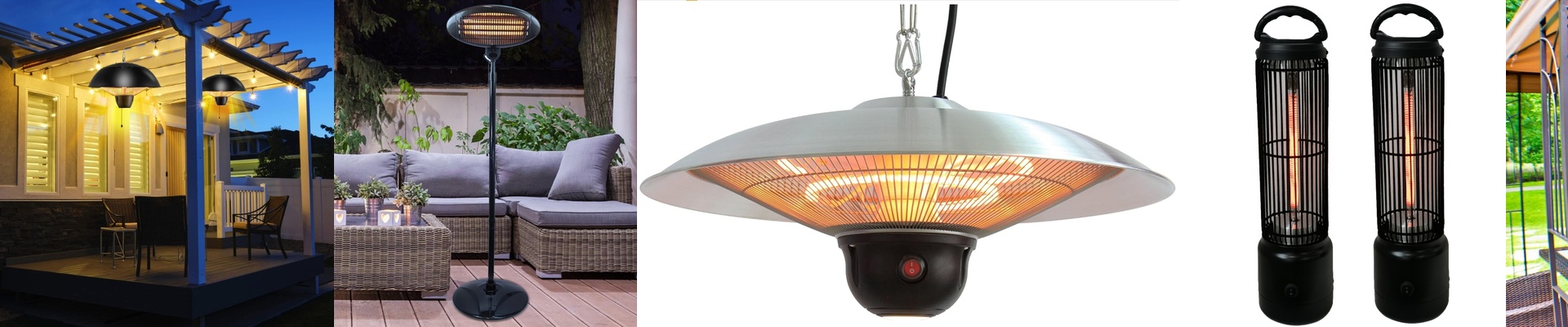
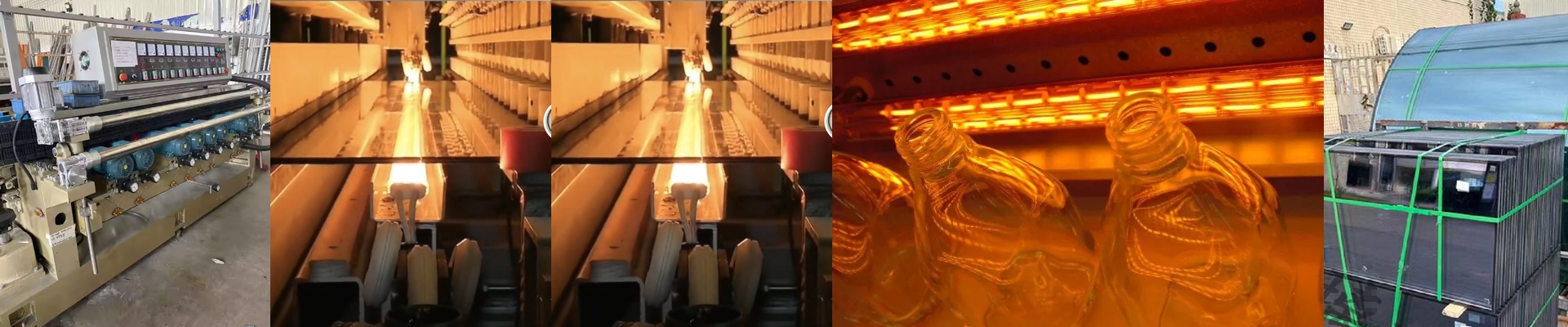
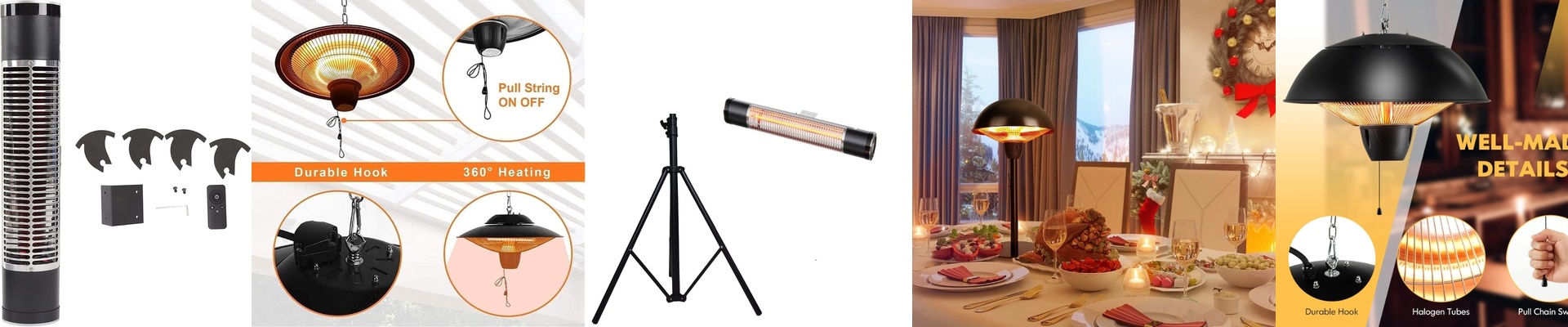

On the shop floor, annealing kilns and bending stations run on a tight thermal budget. When heating elements start to fade or heat distribution drifts, you pay for it in uneven glass, micro-cracks, and scrap that chews through margin. We built a low-cost glass annealing lamp to replace those weak points with repeatable, infrared heat.
What matters, technically
The unit leans on short-wave infrared quartz emitters. That gives you directional radiation that punches into the glass fast, without wasting time heating the surrounding air. The payoff is a uniform thermal field across the surface, which keeps thermal stress down and prevents optical distortion during annealing. Response is quick—full output in seconds—so cycle times stay consistent, even on high-throughput lines. It runs on standard industrial voltages, and the compact footprint drops into common mounting brackets. Swap it in without re-engineering the machine.
Why it holds up in real glass work
In glass processing, the heat profile is the difference between first-pass yield and rework. This lamp keeps the heat where it belongs—on the glass—so annealing curves are easier to hold and drift drops off. Fast response cuts warm-up and cool-down, which frees up capacity without adding oven hours. Energy use falls because you cut convection losses and target emissivity instead of heating empty space. In tempering, bending, and pre-lamination heating, that means fewer rejects, steadier tolerances, and a lower operating cost per square meter.
The details that bite
Installation is straightforward, but alignment is where you earn it. Infrared performance depends on the emitter-to-glass distance and a clean reflector path. Get it off, and you’ll see hot spots or uneven bow. The lamp is designed as a drop-in for many OEM modules, but verify connector type, mounting dimensions, and control compatibility before ordering. Expect peak output in the short-wave band, and plan shielding for nearby sensitive components. Run it within rated voltage and temperature, and you’ll get stable output for thousands of hours with minimal maintenance.