

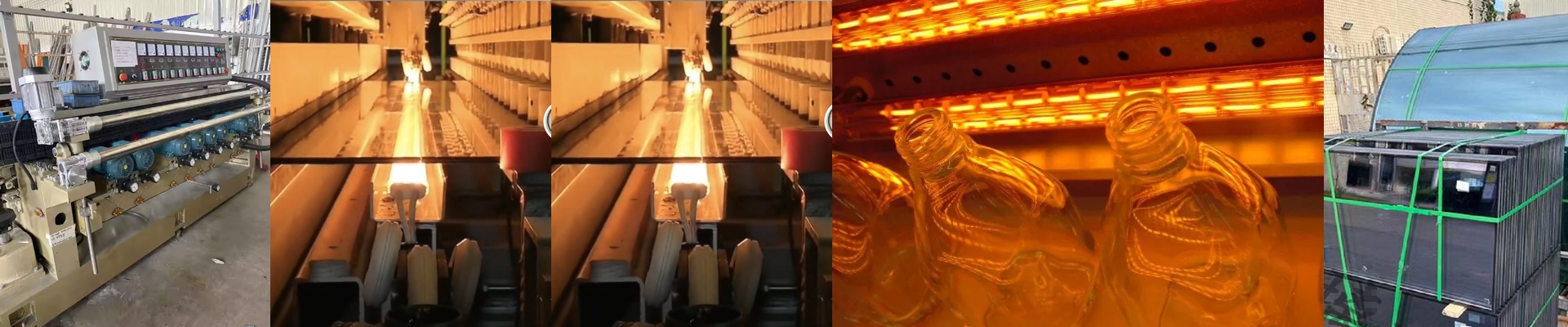
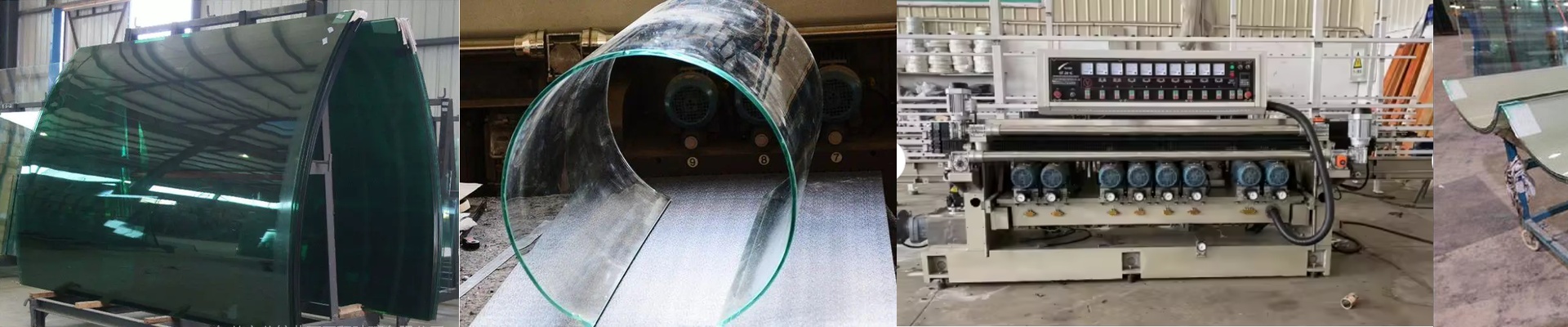

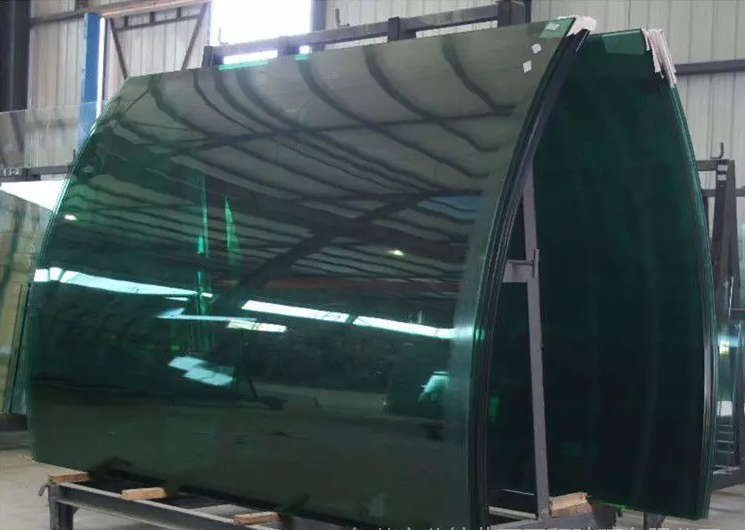
On the line, heat is more than temperature. It’s timing, uniformity, and repeatability—every shift. When the furnace profile drifts or the hot zone has a cold spot, you pay for it in warp, optical distortion, and whole loads scrapped. We built our infrared heaters for glass work because the process window doesn’t negotiate. Whether you’re bending, tempering, laminating, or drying a coating, the heat has to land the same way, run after run. What actually matters under the hood We run short-wave infrared (NIR) quartz emitters—direct radiant heat that responds quickly and holds tight control. The goal is a uniform thermal field, because edge-to-center gradients are what drive thermal stress and breakage. They come as modular assemblies, so you can match line voltage and footprint. Drop them in as a module into existing presses, autoclaves, and drying hoods. Power density is tuned for glass: fast ramp rates when you need them, controlled enough to keep hot spots off coated or laminated stacks. Why this plays well where glass is made In hot bending, uniform radiant heat gives you better sag control and surface quality, so you see less rework from spring-back and optical defects. For tempering, the fast response stabilizes the preheat, which means the quench can run with consistent parameters—fewer edge cracks and stress profiles you can count on. In EVA/SGP/PVB lamination and coating drying, the same control shortens cycle time without cooking the outer plies, so the interlayer bond stays intact. You end up with higher throughput, fewer rejects, and less energy per piece, because the heat goes straight into the glass instead of the air around it. A few things you’ll want to plan for Infrared performance comes down to line speed, glass emissivity, and how the stack is configured. Thick glass and low-emissivity glass reflect more energy, so the heater layout and power map have to match the product mix you run. Installation is straightforward, but you need proper clearances and shielding to keep radiant heat off nearby components. Plan on periodic emitter inspection and cleaning. In dusty environments, sealed modules cut down on maintenance and keep output stable over thousands of hours.