Why we put our bathroom lamps through a “steam torture test”
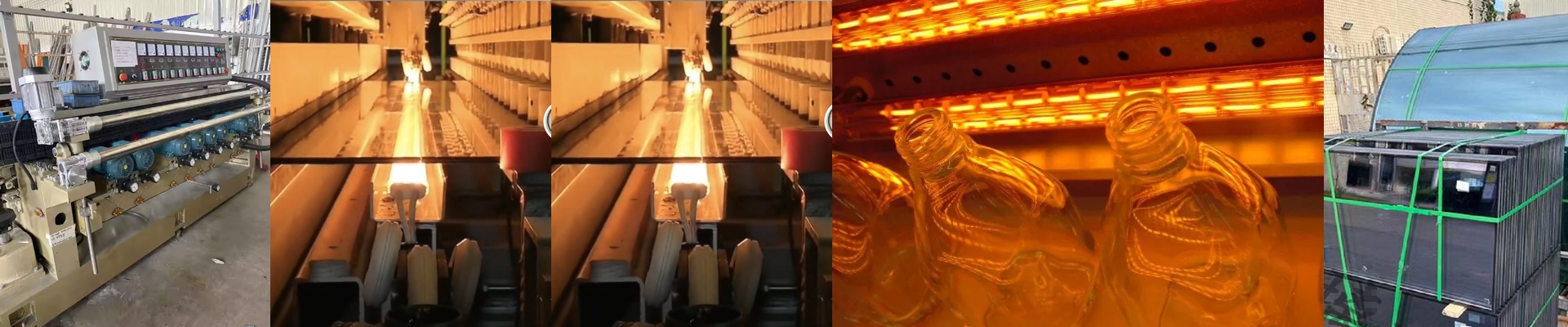
Bathrooms are absolute nightmares for heating elements. Think about it: one minute it’s freezing, the next you’ve got a blast of heat and a room full of thick, heavy steam. If we just shipped these lamps without stressing them out first, they’d probably pop the second they hit a real-world shower. We can’t have that. So, we use a damp heat aging chamber to try and break them before they ever reach your house.
The problem with moisture
Most of these heaters use quartz glass. It’s fantastic for heat, but there’s always a catch. The spot where the electrodes meet the glass? That’s the weak link. In a steamy bathroom, moisture vapor finds the tiniest, microscopic gaps in that seal. Once a little bit of water touches the tungsten filament, it oxidizes instantly.**Snap.**The lamp is dead. That’s why we cycle our lamps through high heat and 95% humidity in the lab. We’re basically forcing the failure to happen here so it doesn’t happen in your bathroom.
Watching for “Electrical Drift”
It’s not always a dramatic pop, though. Sometimes it’s more subtle. We keep a close eye on something called electrical drift. Humidity can cause “leakage currents” across the ceramic insulators. If the resistance drops too low, you’re looking at a potential short circuit. We measure the resistance before the test and again after. If the numbers shift too much? The whole batch goes in the trash. No exceptions.
The balancing act
You might wonder why we don’t just use massive, thick seals to keep the water out. Here’s the thing: if the seal is too rigid, the glass will just crack the moment the lamp hits full power. It’s called thermal shock. It’s a bit of a tightrope walk. We need a seal that’s tight enough to block the steam, but flexible enough to let the glass expand and contract without shattering. We don’t guess on this. We run the hours, we test the chemistry, and we make sure the lamp can handle the spikes. That’s the only way to be sure.