Waterproof Infrared Table Heaters: Built for the Grind, Smart Enough for Today
Let’s talk about a heater that doesn’t mind getting its hands dirty. We’re talking about waterproof infrared table heaters—the kind you can count on when your workspace is damp, dusty, and the temperature swings more than your mood on a Monday morning. These things don’t waste time heating the air around them. They get straight to the point, sending warmth right where you need it—onto machinery, work surfaces, or inside enclosures. The big question is how they fit into the modern world. Can you control them with the same ease as your smart lights at home? Can they play nice with industrial systems? The short answer: yes. It all comes down to how they’re built.
Power, Voltage, and the Right Size for the Job
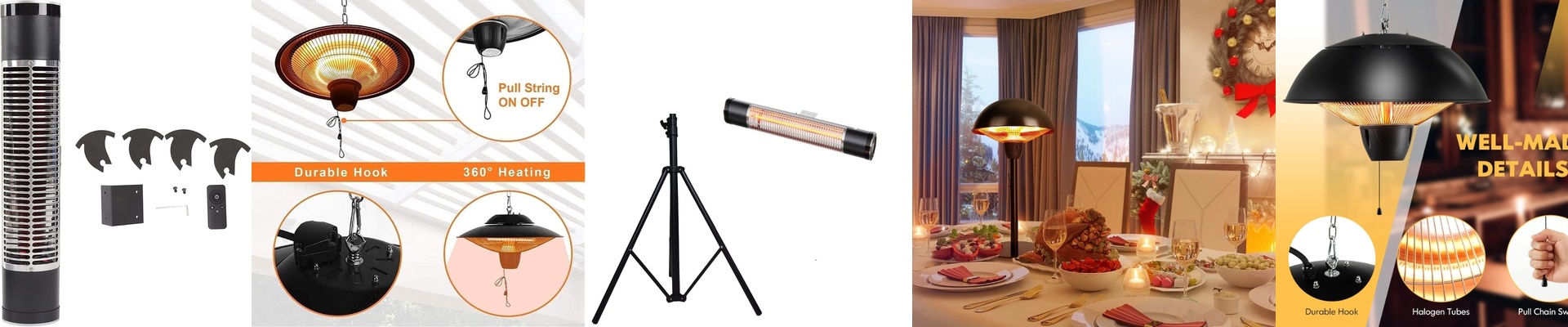
These heaters are all about giving you predictable heat in a compact package. You’ve got options, depending on what you’re trying to warm up. Most run on either 220–240V or 400V, with wattage ranging from 1500W to 2500W. The tubes themselves are typically between 300mm and 600mm long, so you can match the size of the heater to the size of the job. No overkill. No underperforming. More power means more heat density. That translates to a faster warm-up and a more stable temperature. But, and this is important, it also means you need to make sure your electrical setup and cooling are up to the task. If you’re running a 400V 2500W unit, your control panel and cooling system have to be sized right to keep everything from overheating.
What’s Inside: The Tough Stuff
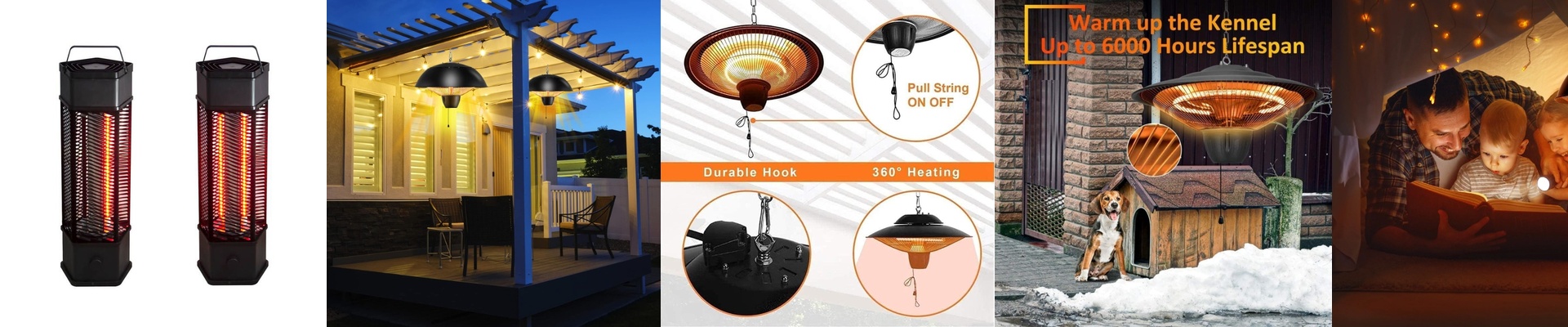
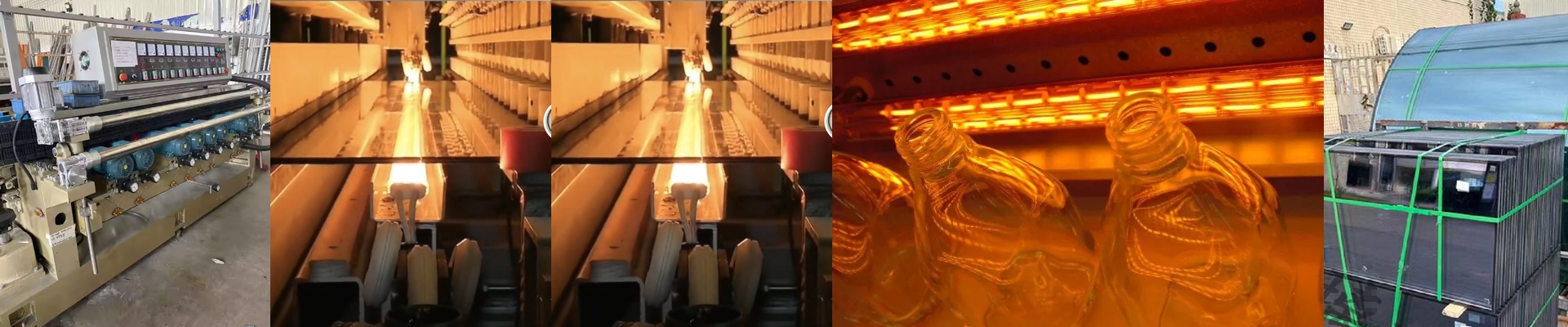
At the heart of these heaters is a halogen element inside a quartz tube. Quartz is tough—it can handle sudden temperature changes and stays clear enough to let the infrared heat pass through efficiently. The halogen cycle keeps the filament stable, so the heat output stays consistent over time and the heater lasts longer. And the waterproofing? It’s not just a surface-level thing. A sealed housing and a special coating keep moisture out, so the inside stays dry even when you’re hosing down the area or working in high humidity. For the connections, we use R7s and Sk15 connectors. They’re quick, secure, and built to handle the constant vibration and movement of a busy shop floor. They make installation a breeze and won’t loosen up, even when you’re constantly hooking up and disconnecting the unit.
Smart, Simple, and Built for the Real World
Here’s the thing about the smart integration: it’s not complicated. We build in communication modules that let these heaters connect to your PLC or smart home controller. From a single dashboard, you can turn the heater on remotely, set schedules, and keep an eye on its status. It means heat is ready the moment you need it, cutting down on wasted energy and making your workflow smoother. For engineers, this means a heater that performs the same way every time, installs without a headache, and needs less maintenance. The waterproof design means fewer failures in wet conditions, and the focused infrared heat gives you better control over your process. Yes, the high heat density means fast response, but it also means your system has to be ready for the electrical and thermal load. But when you get the specs right, you end up with a heater that’s reliable, controllable, and fits right into a modern, connected operation.