Stop the Shivers in Your Changing Rooms
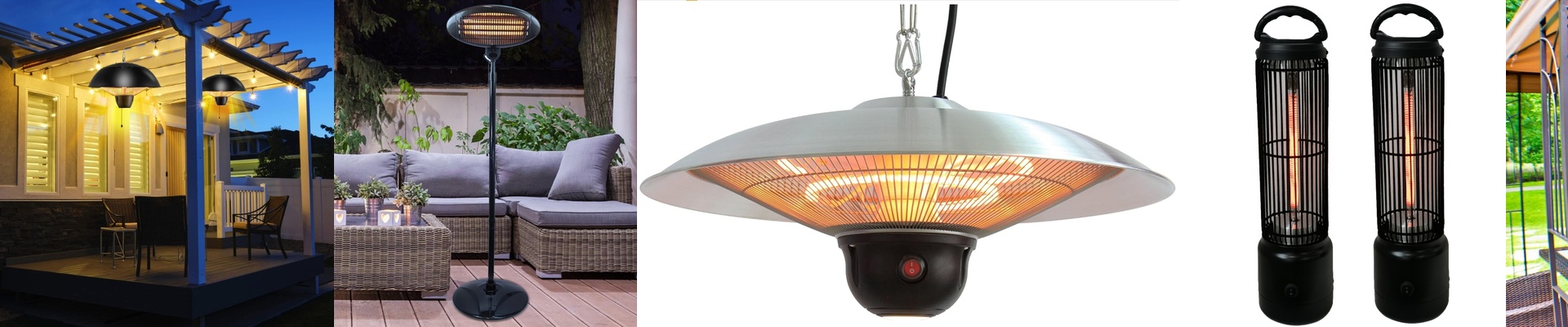
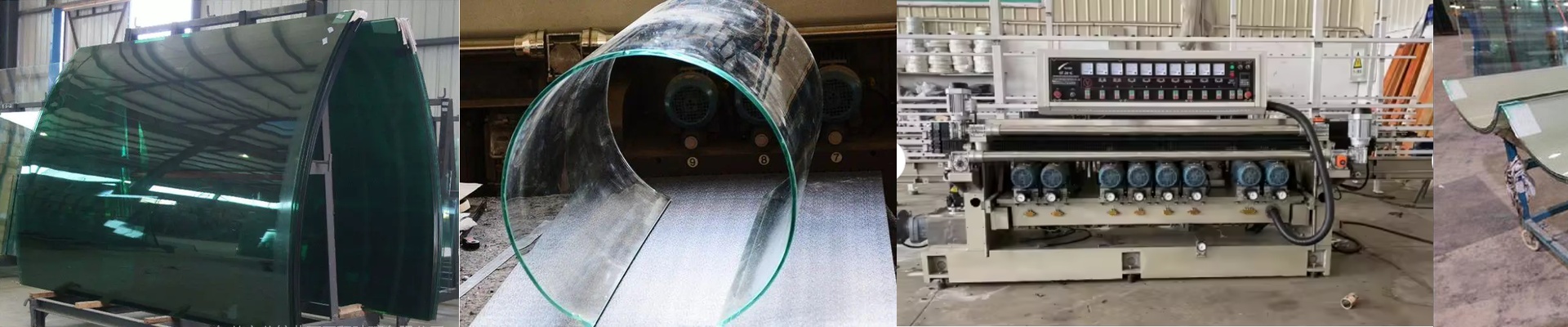
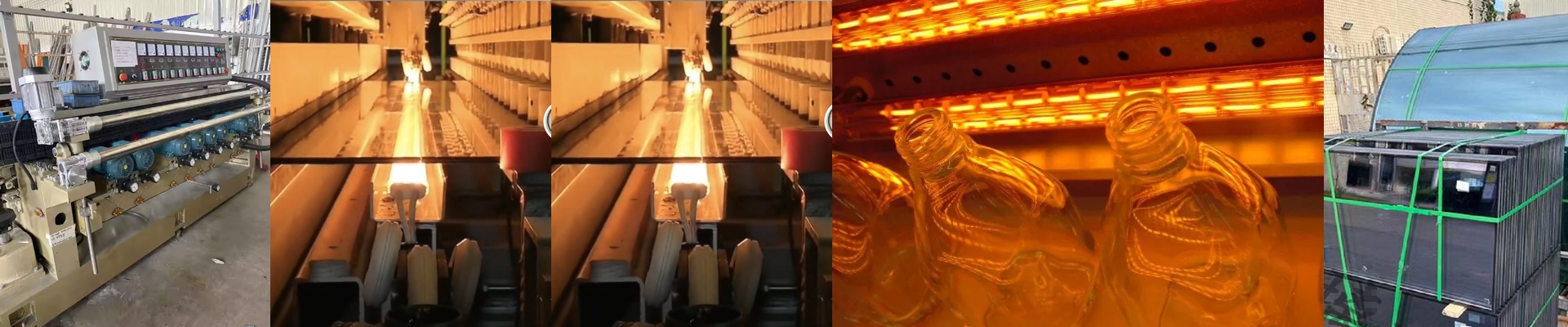
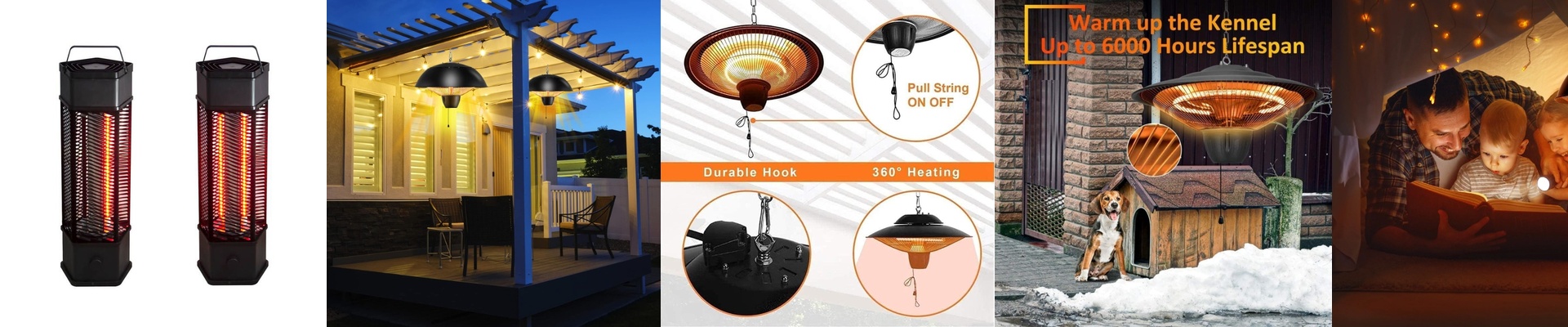
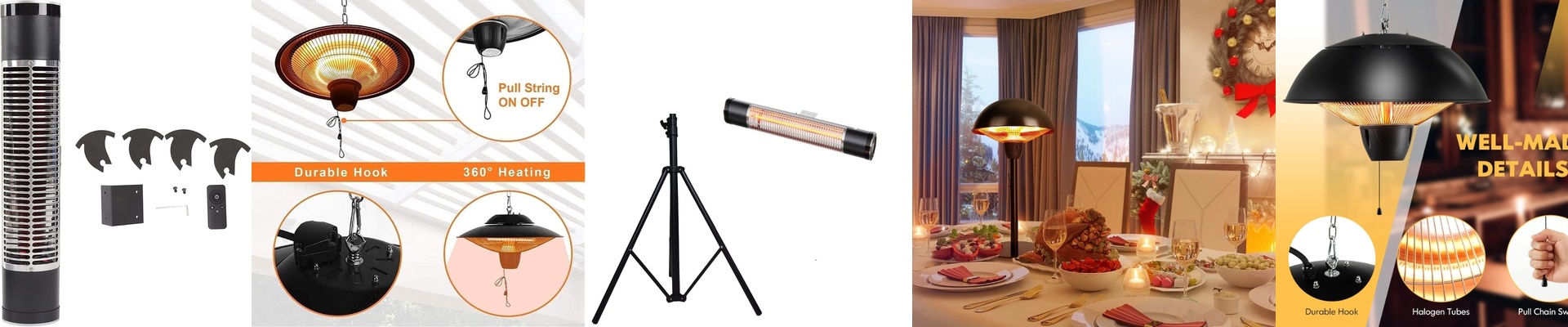
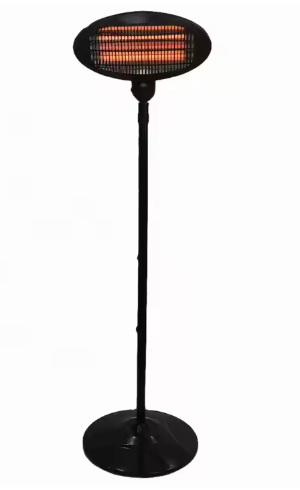
If you’ve ever worked in a factory in a cold climate, you know the drill. You walk into the changing area and it’s freezing. Most places use those old-school forced-air heaters, but they’re pretty useless. They heat the air, the heat floats straight up to the ceiling, and you’re left standing there in your socks shivering. We’ve found a better way. We put shortwave infrared heaters right in the ceiling. Why this actually works Here is the thing about infrared: it doesn’t care about the air. It doesn’t try to warm up the whole room. Instead, it sends warmth directly to your skin and your clothes. It’s almost instant. You can be standing in a room that’s 5°C, but the second you step under one of these units, you feel the heat. It’s like stepping into a patch of sunlight on a winter day. Getting the power right To get a freezing room feeling cozy fast, we use units that pack a lot of punch into a small space. We use quartz glass to keep the filaments safe and make sure the heat gets through without getting blocked. But you can’t just slap them up anywhere. If your ceiling is high—say, 3 meters—you need more power and a tighter beam. Otherwise, the heat just spreads out and disappears before it ever reaches the people on the floor. The installation (and the catch) The good news is that these are easy to install. They basically drop right into the spots where your standard industrial lights go. We use heavy-duty connectors too, because these things pull a lot of current and you don’t want your terminals overheating. But there is a catch. Because these heaters are so intense, they create “hot spots.” If you just guess where to put them, you’ll end up with one spot that feels like a sauna and another that’s still ice cold. You have to map out the ceiling grid carefully. The goal is to create a consistent “blanket” of warmth across the whole room so every worker feels the same level of comfort.