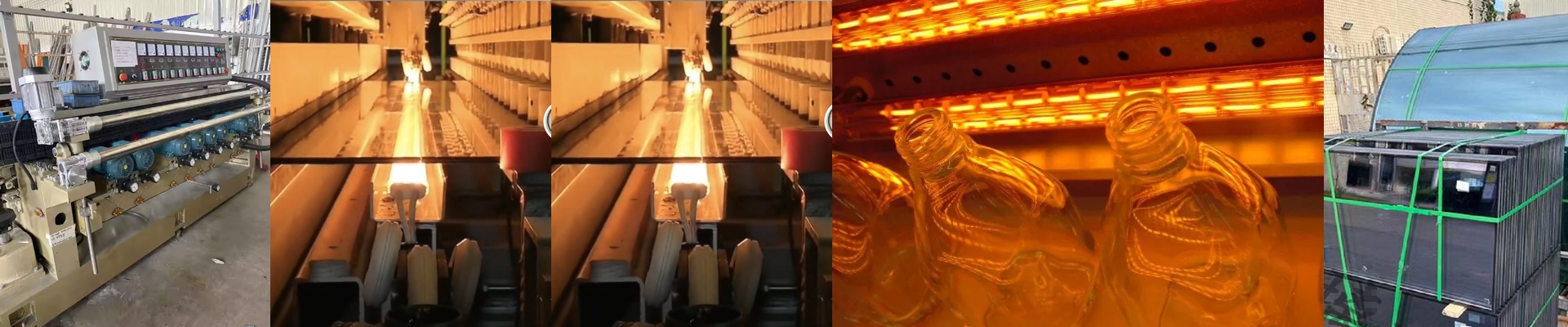
Why You Should Be Preheating Your Glass
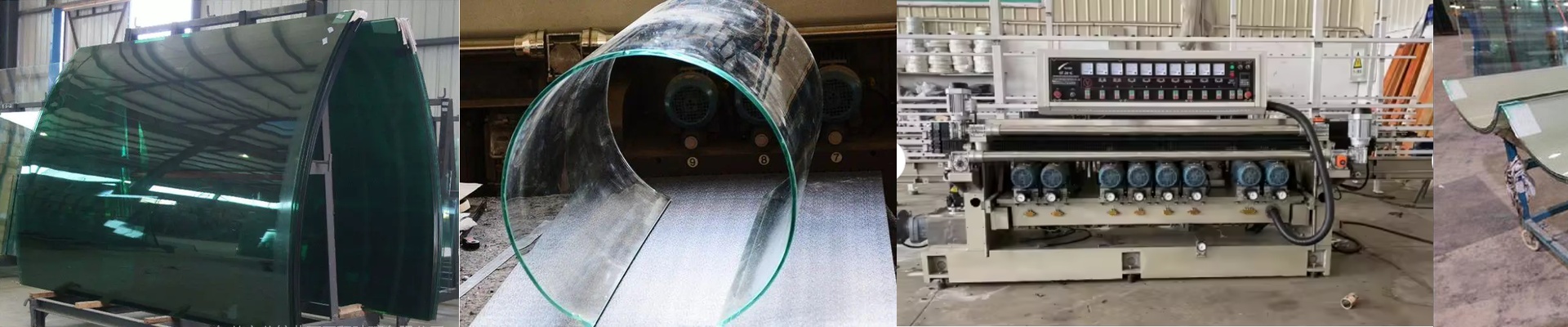
Cutting cold glass is a headache. When that cutting wheel hits a cold sheet, it creates a tiny micro-crack, but the stress inside the glass is just too high. The crack doesn’t travel in a straight line—it jumps around. That’s how you end up with those annoying chips or corners breaking off when you finally snap the piece. To fix this, we use infrared (IR) lamps. By heating the surface right before the blade makes contact, the glass becomes a bit more flexible. The result? A clean, crisp break every single time.
How the Heat Actually Helps
Here’s the thing: IR lamps don’t waste time heating up the air around the glass. They dump energy directly into the material. This quick “thermal soak” relaxes the surface tension. When the glass is warm, the crack doesn’t have to fight the material; it just glides right along the score line. You get a smooth, straight edge instead of a jagged mess of shards.
Picking the Right Lamps
You can’t just use any heater. Since the glass is moving on a conveyor, you need heat fast. We usually go with short-wave IR lamps. They punch through the surface deeper and quicker than the medium or long-wave stuff. You also have to be precise. The lamps need to hit the exact path where the cut is happening. If you decide to speed up your conveyor, you’ll notice the glass isn’t as warm. That’s when you need to bump up the wattage or throw in a few more tubes to keep that temperature steady.
The Catch: Watch Your Heat
It sounds like “more heat equals better,” but it’s actually a bit of a balancing act. If you go overboard, you risk warping thinner sheets or causing thermal shock. Plus, all that heat doesn’t just stay in the glass. It creeps into your cutting head and guides. If you’re packing 2kW lamps into a tight space, don’t skip the cooling. Throw in a solid heat sink or a decent fan. Otherwise, your controllers are going to fry, and that’s a downtime nobody wants.