Introduction
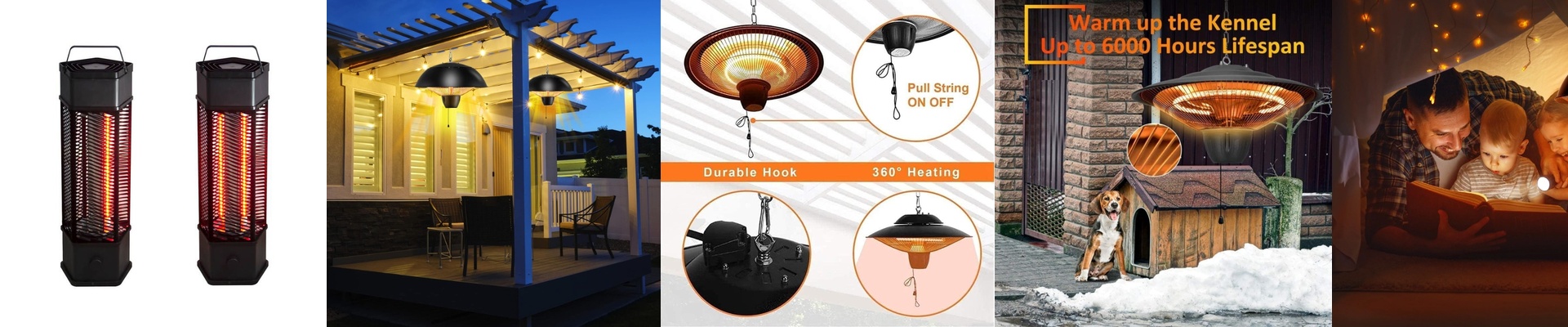
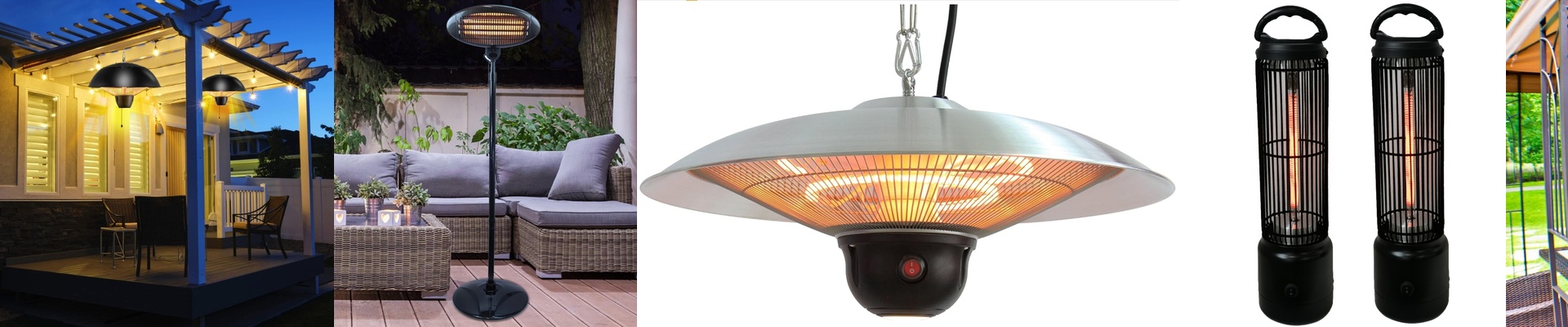
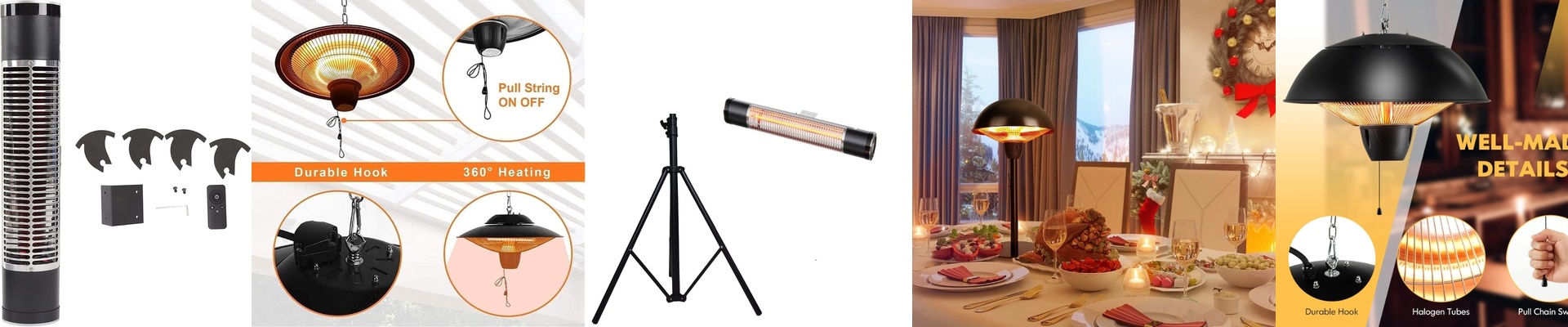
Here’s the thing about outdoor heaters: if they’re not built to handle the wet, they’re just going to give up. So we built this IP66 waterproof heater to be the tough one in the room. The whole point? To give you that direct, comforting infrared heat without ever worrying if the electricity is safe. Whether it’s a steamy bathroom, an exposed outdoor spot, or a place that gets constant washdowns, this heater keeps its cool. It isolates the power completely, even when it’s running hot. We didn’t just slap a waterproof shell on it. We started from the inside out, building in real, physical insulation that holds up when everything else gets soaked.
Technical Deep-Dive
Inside, we’ve got a high-output halogen element, sealed up tight inside an IP66-rated body. And that rating isn’t just for show. It means the heater can take direct hits from powerful jets of water, even waves crashing in. That level of protection stops water from finding a way in and messing with the internal insulation. Plus, it’s built to run on industrial power. So you can wire it straight into your existing plant setup without needing extra transformers. It’s compact and focused, delivering heat right where you need it, without tripping circuits or wasting energy.
Material & Design
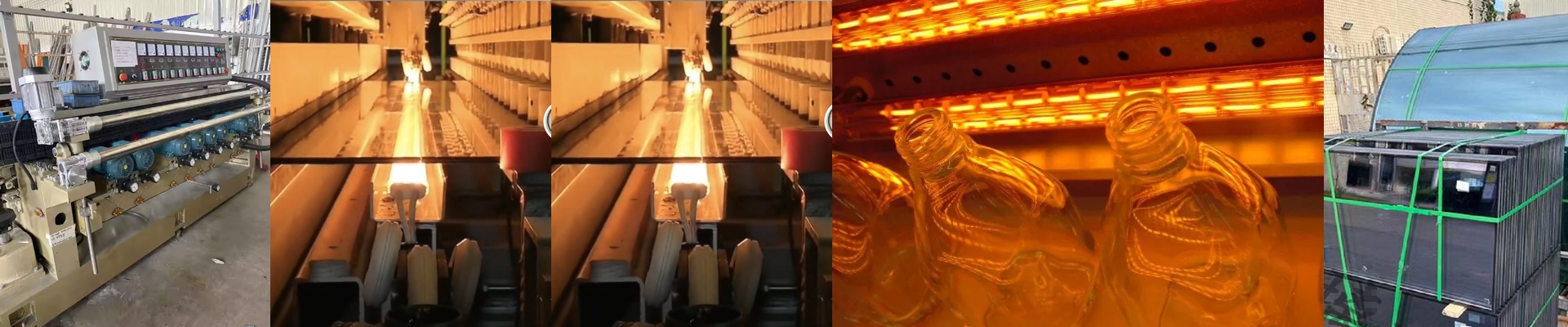
We chose quartz for the heating element, not regular glass. Quartz can handle the quick temperature swings and keeps its electrical strength, even when things get seriously hot. The halogen gas inside helps stabilize the filament, which means it lasts longer and gives you steady, reliable heat. Inside, everything is held in place with high-temperature ceramic and silicone insulators, so there’s no chance of leakage. The whole assembly is potted and gasketed, so moisture simply can’t creep in. The result? A heater that can take a beating from steam and spray, and still keep you safe.
Application & Benefits
Step into a humid bathroom or stand outside on a cold night, and this heater throws warmth right at you. It doesn’t waste energy heating the air, which means less condensation and more comfort. For the folks on the engineering side, the sealed build means way fewer failures from water getting in, and way less time spent on maintenance. Now, there is one thing to keep in mind: with all that power comes heat. You’ll want to give it some breathing room and make sure it’s spaced properly so nearby materials don’t get too hot. But get the specs right, wire it up, and you’ve got a heat source that just keeps going—quiet, dependable, and almost completely hands-off.