

Getting Your Heat Right for Glass R&D
If you’re developing new glass materials, you already know that a standard, off-the-shelf heater usually isn’t enough. Most people just look at the overall oven temperature. But when you’re doing high-level R&D, the real headache is power density distribution.
It’s More Than Just Size
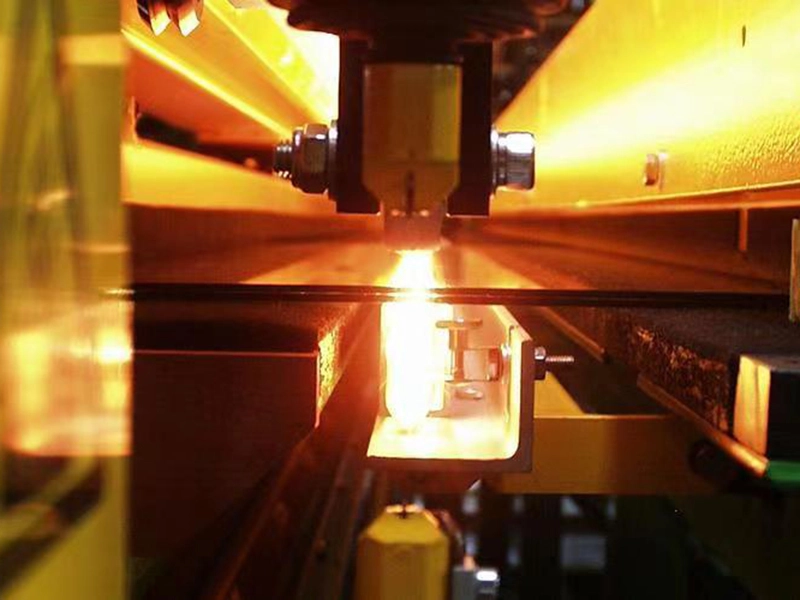
We don’t just mess around with the length or diameter of the heating element. That’s the easy part. The real trick is controlling exactly where the heat hits your substrate. Here’s the thing: if your power density is off, you get hot spots. In the glass world, a hot spot of just a few degrees can trigger unplanned crystallization or thermal stress. One tiny glitch and your entire batch of experimental samples is trash. To stop that from happening, we map out the wattage per linear centimeter. We make sure the heat flux actually matches what your material needs.
Shaping the Heat
You can basically tell us exactly how you want the heat to behave. Want more power concentrated in the center of the tube? Done. Need it spread perfectly even across the whole footprint? We can do that too. It’s a great way to mimic a massive industrial annealing setup while you’re still working on a lab scale. Just a heads-up, though. If you push for extreme power density in a tiny area, you’re risking a filament burnout. It’s a balancing act between how much wattage you want and how long you want the element to last. Plus, if you’re pushing the limits, you’ll want to tune your PID controllers tightly so you don’t overshoot your target.
Flexibility for the Lab
We believe researchers should have some breathing room. We call it “parameter freedom.” Basically, we can tweak the voltage and wattage to fit the power supplies you already have. You shouldn’t have to rewire your entire workbench just to get a new heater to work. Whether you need a rapid ramp-up to test thermal shock or a slow, steady soak for annealing, we build the element to hit those markers. You get a tool that actually behaves the way it’s supposed to. And in a lab, that’s the only way to get data you can actually trust.