Getting the Heat Right for Silk-Screened Glass
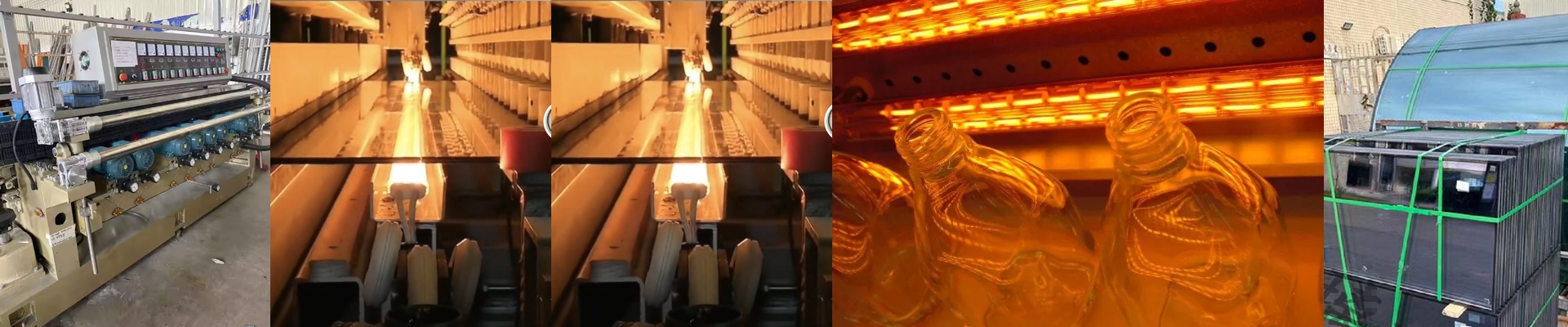
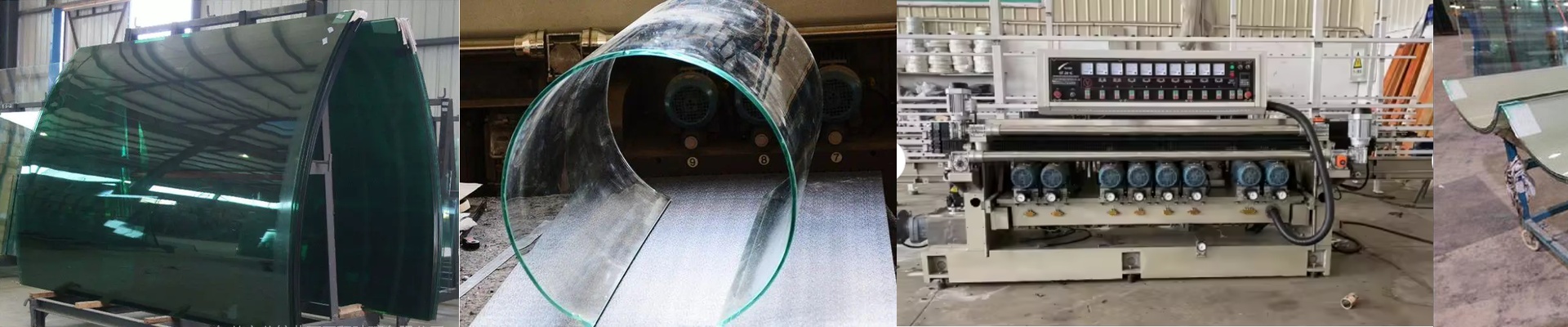
When you’re mixing silk-screen printing with glass tempering, you’re basically walking a tightrope. You need enough heat to get the glass hard and strong, but if you push too hard, you’ll fry the ink or warp your patterns. It’s a delicate balance. To handle this, we rely on short-wave quartz lamps. Here is how we actually make them work in the real world.
The Balancing Act
It all comes down to how much power you’re hitting the glass with. If your lamps are too aggressive, you’ll see the ink start to “bleed” at the edges, which ruins the whole look. We fix this by playing with the voltage and shifting the distance between the lamp and the glass. Now, you might be tempted to just crank up the voltage to get more heat, but be careful. That puts a lot of stress on the filament. If your power supply doesn’t match the lamp’s rating, you’re just asking for a burnout.
Why Quartz Matters
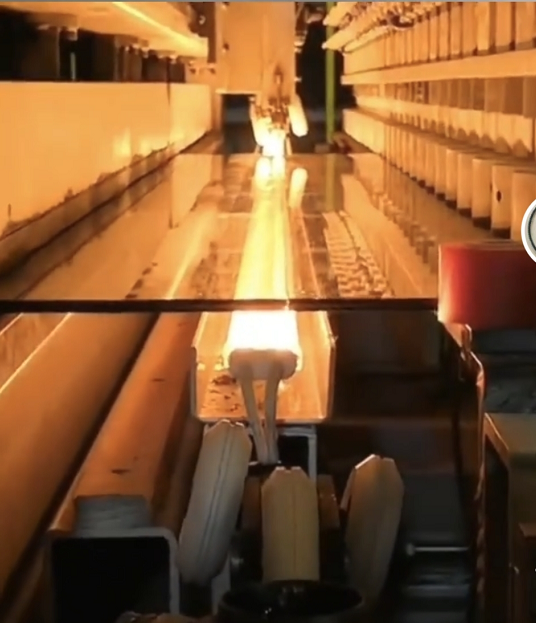
We use high-purity quartz for the envelopes because it lets the IR heat pass through without getting in the way. Standard glass would just crack under the brutal temperature swings of a tempering furnace. We also use heavy-duty connectors. Why? Because these lamps draw a massive amount of current. If your connections are flimsy, they’ll overheat the second the line hits full speed.
The Trade-off
Here’s the honest truth: if you want your patterns to look crisp, you might have to slow down. If you try to race through the line by cranking the heat, the ink on the surface will likely burn before the core of the glass even gets warm. It’s a frustrating spot to be in. You have to spend time calibrating your conveyor speed and zoning your lamps just right to keep the ink intact while still hitting those strength specs. And one last tip—keep an eye on your cooling fans. If they can’t handle the ambient heat coming off the lamp bank, your lamps are going to die a lot sooner than they should.