

Infrared Heaters: It’s About More Than Just Warmth
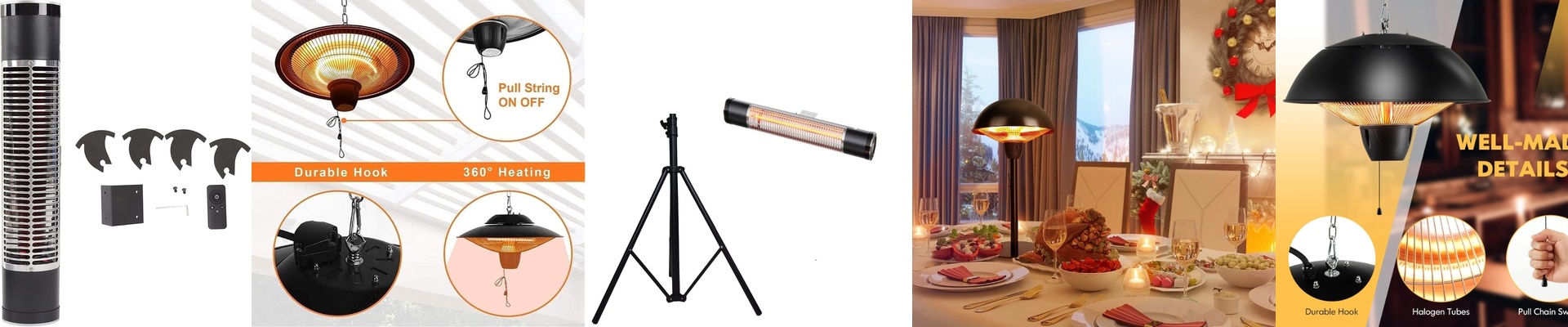
We built our infrared bathroom heaters for one simple reason: to get the heat right where you need it, without turning your bathroom into a stuffy sauna. Think about how old-school heaters work. They warm the air, and that air just circulates all the moisture around. We took a different approach. Our heaters send out radiant heat that warms you and the surfaces around you, while leaving the air feeling drier. It feels amazing, sure. But it’s also a smart way to fight back against the dampness that helps mold get a foothold.
The Power Behind the Heat
Let’s talk specs, because they’re what make this thing actually work. A 2500W rating packs a ton of heat into a small 300mm tube. The result? You get that warm feeling fast, with serious power coming from a unit that doesn’t take up much space. Perfect for those tight bathroom corners. And for bigger jobs, the 400V voltage option is a lifesaver. It lets you wire it up for industrial-level use, so you can run several units at once without tripping the circuit. But here’s the honest part. All that power creates its own heat inside the unit. So you need to make sure the ventilation and cooling are built to match.
Why the Little Details Matter
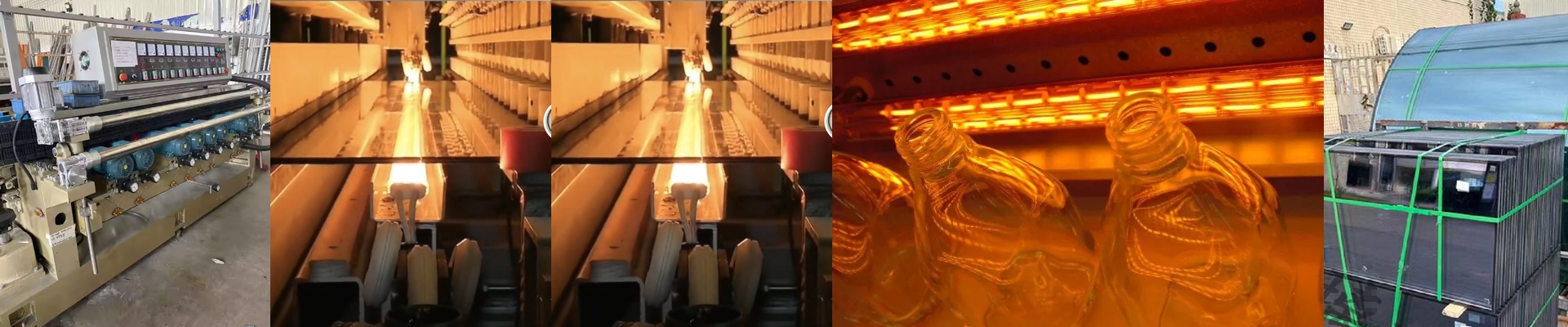
We chose a quartz tube with a halogen fill for a reason. Quartz is tough—it can handle the shock of heating up and cooling down without cracking, which keeps the element stable. The halogen cycle helps protect the filament, so the lamp keeps putting out strong heat over time. And that R7s connector? It’s just a smart, practical choice. It’s a simple two-pin design that clicks right into place. Makes wiring and replacing it a breeze, even in a cramped, damp junction box. No wrestling with tiny screw terminals.
The Real Win: A Healthier Bathroom
In a bathroom, moisture is the real enemy. Infrared heat hits surfaces and people directly, so you don’t have to blast the air to feel warm. That means the walls and floors stay drier, and you get less of that cold, damp feeling that leads to condensation. Less condensation means fewer places for mold to thrive. It’s about creating a healthier space, where surfaces stay dry and the conditions mold needs just aren’t there. The payoff is a bathroom that feels cozy, dries faster, and needs way less fussing over. And for engineers, it’s a straightforward solution. It specs clean, installs quickly, and just flat-out works in wet, demanding environments.