

Keeping Your Bathroom Heaters Safe (Without the Scary Stuff)
Let’s be honest: bathrooms are a nightmare for electronics. You’ve got steam everywhere, wild temperature swings, and electricity—a combination that usually doesn’t mix. When you put an infrared lamp in a shower area, that thin glass tube is basically the only thing standing between a high-voltage filament and a lot of water. If you use a cheap, standard quartz tube, it can crack the second a stray drop of cold water hits it while it’s glowing hot. Not exactly the vibe you want while trying to relax in the shower.
Why “Explosion-Proof” Actually Matters
We use a specific kind of explosion-proof quartz glass to stop things from going south. It’s not just about making the glass thicker. It’s about how the material handles a shock. Imagine a tube sitting at 600°C and then—bam—a spray of cold water hits it. Standard glass panics and shatters. Our tubes are built to take that hit without breaking a sweat. And just to be safe, we usually add a protective mesh or a reinforced sleeve around the outside. That way, even if the worst happens and the glass cracks, the shards stay put and the electricity doesn’t leak into the steam. It’s a safety net that lets you actually enjoy the heat.
How the Heat Actually Works
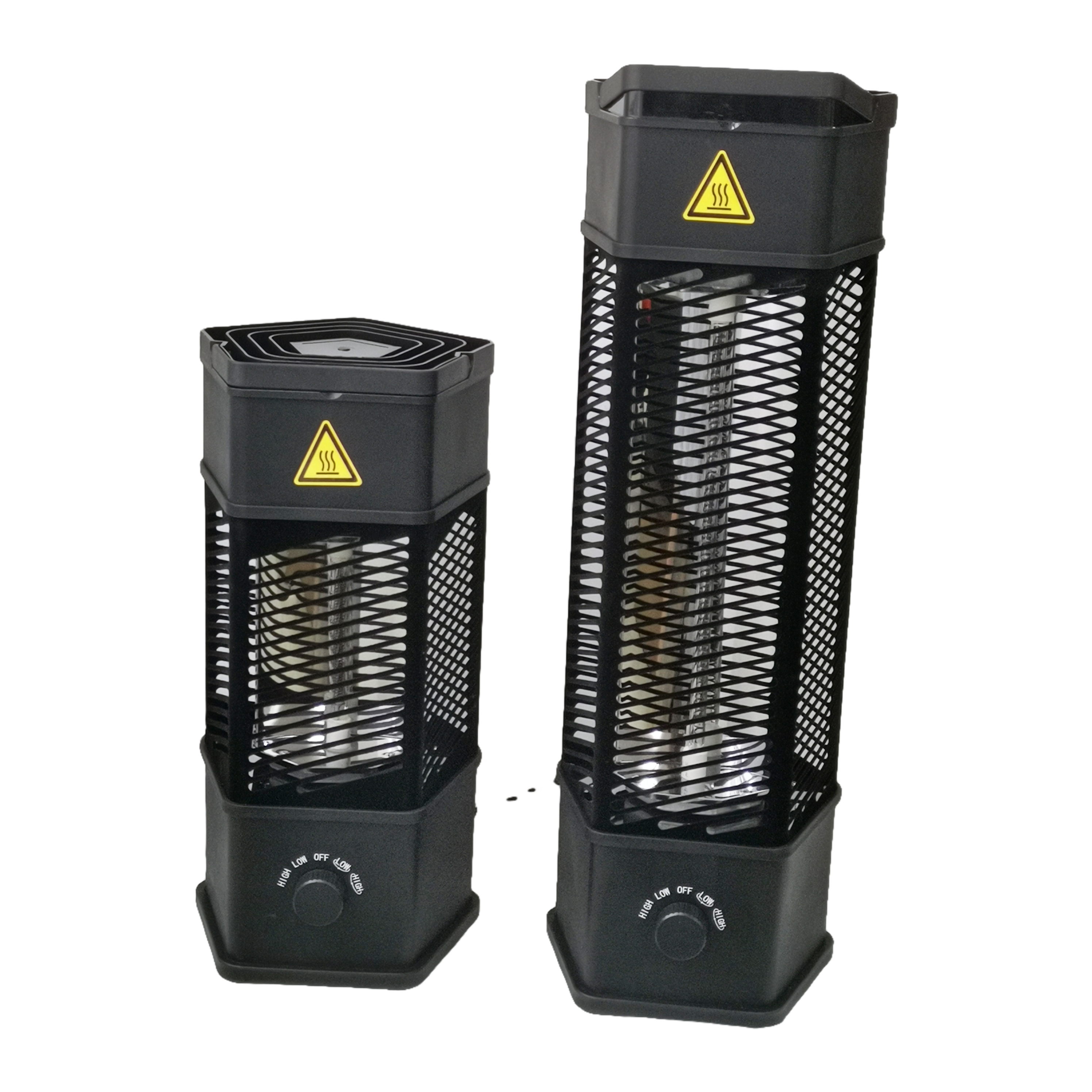
These lamps use short-wave infrared radiation. In plain English? The glass doesn’t soak up the heat; it just lets the energy fly straight through to you. It feels great. You get that instant, cozy warmth on your skin without having to wait for the entire room to heat up. We push these tubes to be high-wattage so they warm up fast. But because they get so hot, the housing needs to breathe. If the vents get blocked, the heat backs up into the tube, and it’ll burn out way faster than it should.
A Few Tips for Installation
When you’re wiring these in, make sure your seals are airtight. If moisture sneaks into the connection points, your terminals will fry long before the glass ever has a problem. The explosion-proof glass is great, but it can’t fix sloppy wiring. Also, double-check your voltage. If you don’t match the tube’s specs exactly, you risk overheating the filament, and that’s a quick way to kill a perfectly good heater.