

Stop Just Replacing Your Infrared Lamps
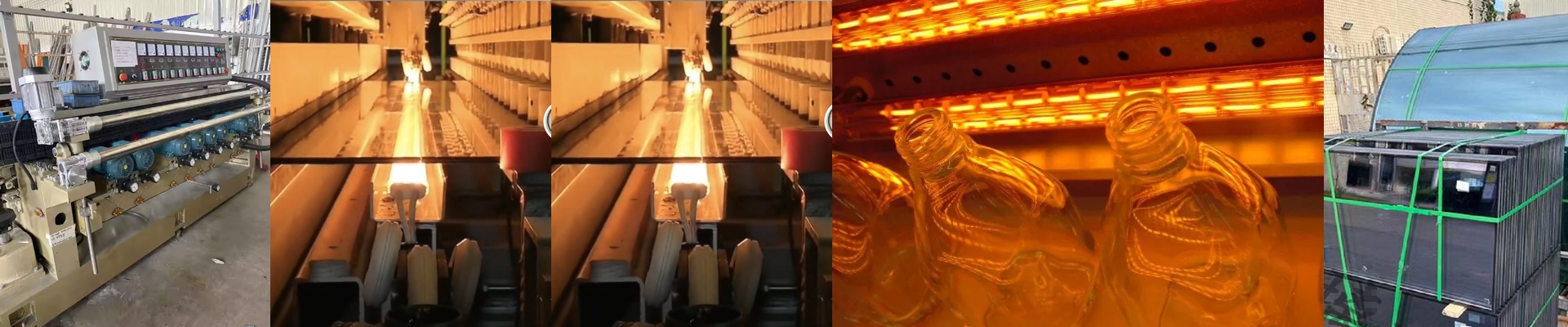
If you’ve been buying replacement infrared lamps based on a part number and they keep burning out, you’re just treating the symptom. Here is the truth: in quartz tube forming, that lamp isn’t some standalone gadget. It’s part of a circuit. When your glass isn’t hitting the working point or your tubes are dying way too early, the problem usually isn’t the lamp. It’s how everything is working together.
The Voltage Trap
I see it all the time. A shop tries to cram more wattage through standard voltage lines because they want more heat. It sounds logical, but it puts a massive amount of stress on the filament. Plus, there’s the spectral side of things. Short-wave IR sinks deep into the glass, while medium-wave just hits the surface. If you pick a lamp with too much power for the actual space you have, you’ll overheat the ends. Then the quartz cracks, the seals leak, and you’re back to square one.
It’s All in the Connection
Quartz is great because it can take the heat. But the connection points? That’s where things get messy. Whether you’re using R7s or specialized SK connectors, this is where most of the electrical failures happen. If the fit is loose, you get arcing. Arcing burns the connector. A lamp that doesn’t sit perfectly doesn’t just heat unevenly—it creates a hot spot that kills the filament.It’s that simple.
Why We Actually Visit Your Shop
A datasheet is just a piece of paper. It can’t tell me how your airflow is behaving or if your reflection chamber is wearing out. That’s why we prefer to actually walk your floor and run thermal profiles. We’re looking for those annoying “cold spots” in your forming zone that put stress on the glass. And get this: more power isn’t always the fix. Sometimes, just nudging a lamp 10mm to the left or tweaking the angle of a reflector does more than a high-wattage upgrade ever could. It gives you a stable process. It means we get fewer warranty claims. It’s a fair trade—spending a little time diagnosing the problem now saves you from a total meltdown in the middle of a production run later.