Stop the Cracks: A Smarter Way to Heat Your Glass
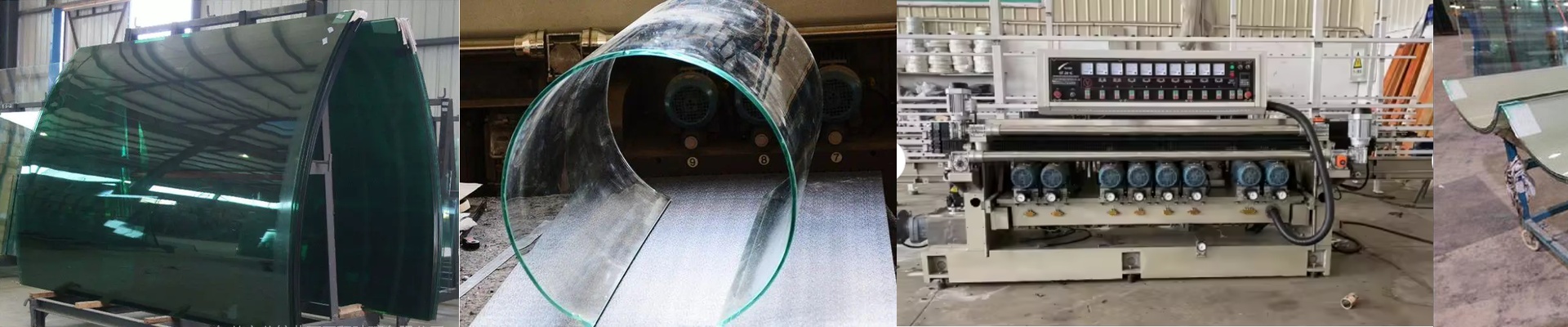
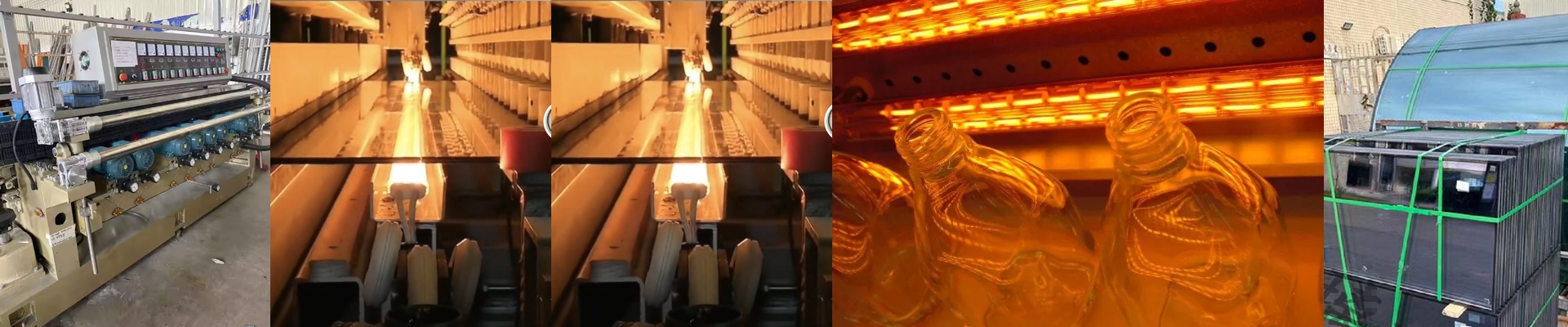
Anyone who’s worked with glass knows the feeling. You’re moving along, you hit a cold piece of glass with a blast of heat, and—snap. There goes your yield. It happens because the temperature gap is just too wide for the material to handle. We’ve found a way to stop that from happening using shortwave infrared (IR) lamps that can pivot their power on a dime. Why speed actually matters If you want to avoid thermal shock, you can’t just blast the heat. You need a ramp-up. Most heating elements are like old trains—they take forever to speed up and forever to slow down. But these IR lamps? They’re instant. The second you kill the power, the heat stops. This means you can nudge the temperature up slowly, scaling from 10% to 100% in a few milliseconds. Instead of a sudden spike that shatters the glass, you get a smooth, steady climb. Getting the heat where it belongs We use high-wattage lamps packed into short lengths. Why? Because we need density. Shortwave radiation is the secret here. It doesn’t just sit on the surface; it sinks deep into the glass. When the core and the outer skin heat up together, you don’t get those nasty internal stresses that lead to breaks. The “Gotchas” (Read this before you build) Here is the thing: you can’t just plug these into a wall outlet and hope for the best. If you use a cheap dimmer, you’ll get flickering and uneven heat, which defeats the whole purpose. You need a high-frequency SCR or a PWM controller to get that precise, fast modulation. And a fair warning—these things gethot. Really hot. If you don’t spec your cooling fans and housing correctly, you’ll end up melting your sockets or frying your wiring. Don’t skip the ventilation. If you’re seeing too many fractures during your tempering transition, take a look at your ramp-up timing. Slow it down. Modulate the start. Your scrap pile will thank you.