Why we put our bathroom lamps through hell (and why it matters)
Bathrooms are absolute nightmares for heating elements. Think about it: one minute it’s freezing, the next it’s a steam room. That constant swing between bone-dry and soaking wet is exactly what kills most IR lamps. If the seal isn’t perfect, water vapor sneaks in, the filament oxidizes, and the whole thing burns out in a few weeks. Nobody wants that phone call from a frustrated customer. So, we put every single batch through “damp-heat aging” to break them here, not in your warehouse.
The battle against moisture
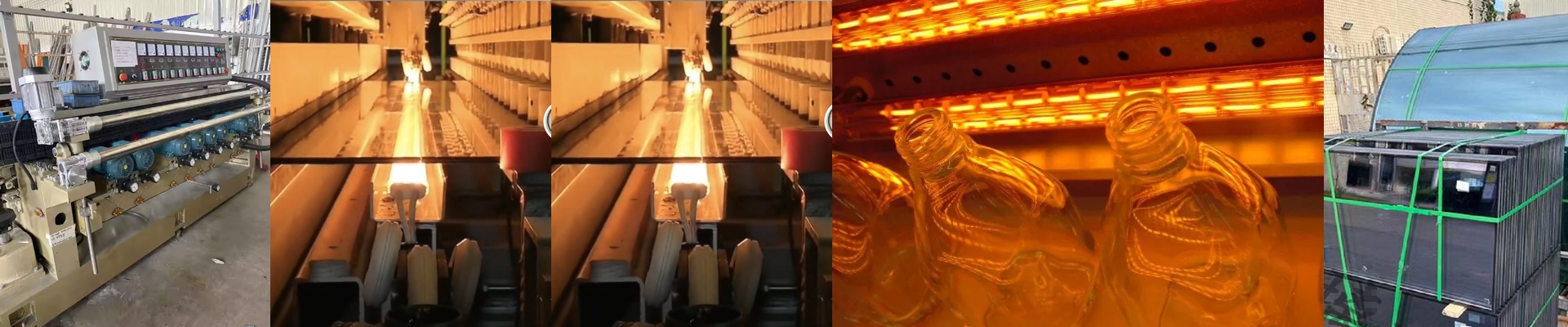
Most of these heaters rely on shortwave infrared quartz lamps. The glass is great for heat, but the real trouble starts where the electrodes meet that glass. That’s the weak spot. In a steamy shower, water vapor doesn’t just sit there—it pushes. Once it finds a way past that seal and hits the tungsten filament? Game over. To stop this, we use high-temp, high-humidity chambers. We aren’t just checking if they work. We’re trying to find the exact moment they snap.
Pushing the seals to the limit
A lamp can look perfect on a workbench. But once it’s actually installed in a bathroom, the heat makes the materials expand and contract. It’s like a slow-motion tug-of-war on the seals. If the vacuum leaks, the lamp dies. Our aging process forces that expansion to happen fast. We’re looking for three things:
- Do the seals hold up when it’s 95% humidity?
- Does the filament stay steady when we flick the power on and off?
- Are the terminals starting to corrode?
The trade-off
Here’s the honest part: this process slows us down. It takes longer to ship a batch when they have to sit in a torture chamber for hundreds of hours. But it’s the only way to be sure. It means when your customer turns on the hot water, the lamp actually stays on. You get a product that can take a beating and keep on glowing.