Stop Wasting Power on Your Wine Glass Annealing
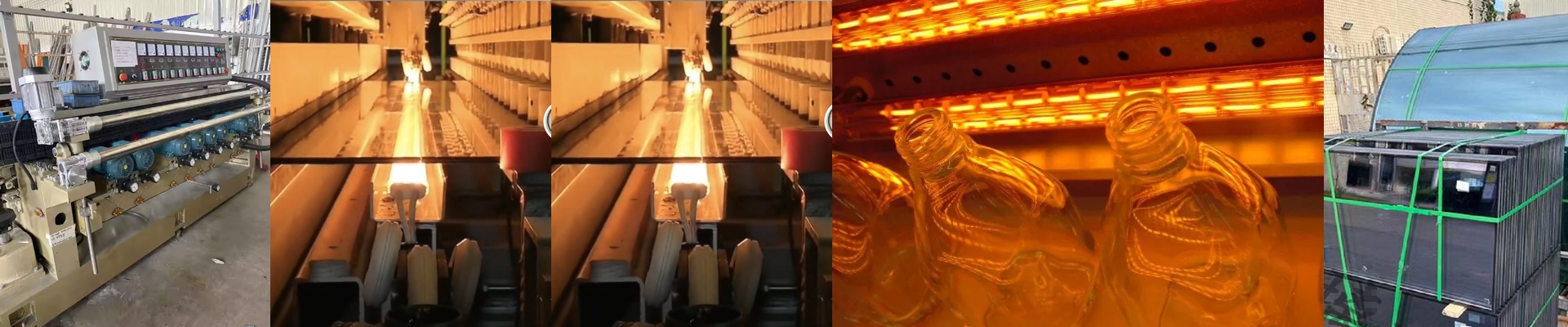
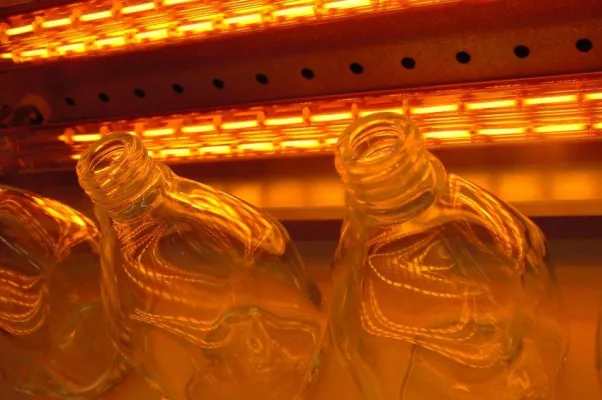
Making wine glasses is all about getting those thermal gradients just right so the glass doesn’t shatter. The problem? Most old-school electric furnaces are basically giant space heaters. They waste a ton of energy just warming up the air in the chamber. We do things differently. We use short-wave infrared (IR) lamps that hit the glass directly. You stop heating the room and start heating the product. Your power bill will thank you. The Nitty-Gritty on Power Our IR heaters are built for raw power density. They get the glass up to that annealing point fast. And here’s the clever part: we use high-voltage setups. This keeps the current draw per lamp low, meaning you can pack in more heaters without blowing a fuse or needing to rip out your electrical panels. Instead of just warming the surface, you get a concentrated heat flux that actually sinks into the glass wall. Built to Last (and Work) We use high-purity quartz tubing for these lamps. Why? Because when you’re cycling heat rapidly, cheap materials crack. These don’t. Inside, we use a halogen fill to stop the filament from evaporating, so the lamps actually last. We can even coat them to tweak the emission spectrum. This ensures the heat sticks to the glass rather than bouncing off. Installation is a breeze. We use standard R7s or Sk15 connectors, so they just snap into place. No need to spend your weekend rewiring the whole shop. The Honest Truth About the Shop Floor Look, switching to IR is a win for your wallet because you’re not heating dead air. But it’s not “set it and forget it.” These lamps are intense. If your conveyor belt is crawling too slowly or your cooling zones aren’t up to the task, you’ll overshoot your temp and end up with deformed glass. You’ll need to spend a little time dialing in your belt speed to match the lamp’s output. Once you hit that sweet spot, though, your temperature profile stays tight across the whole batch. It just works.