Keeping Bathrooms Warm Without Blinding Your Kids
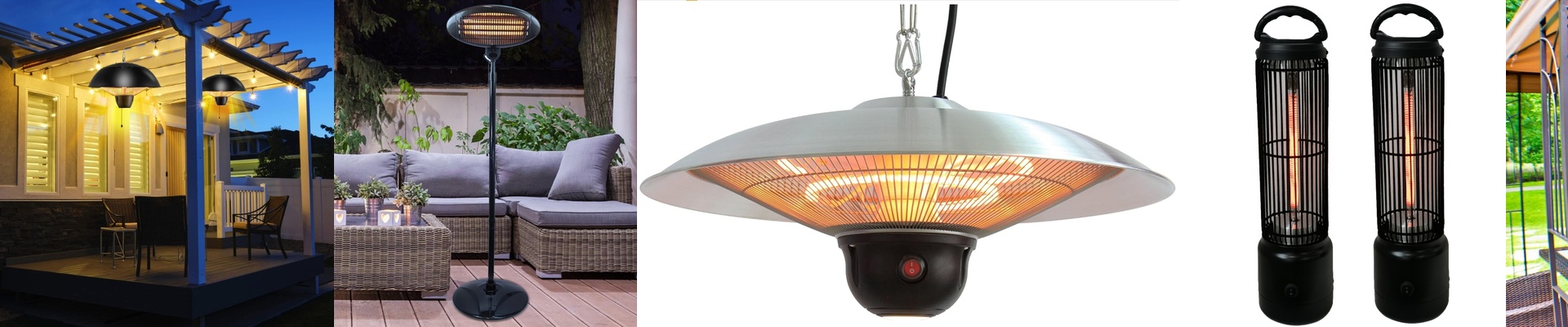
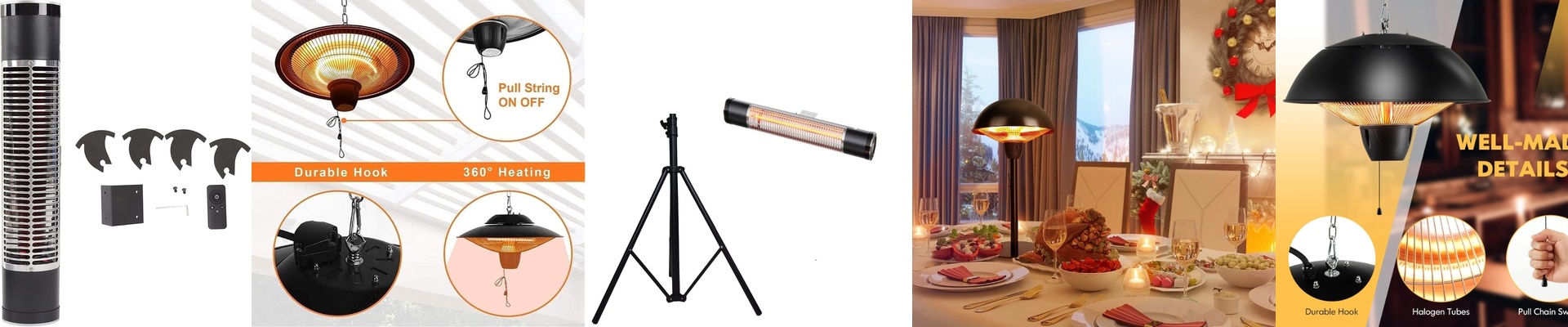
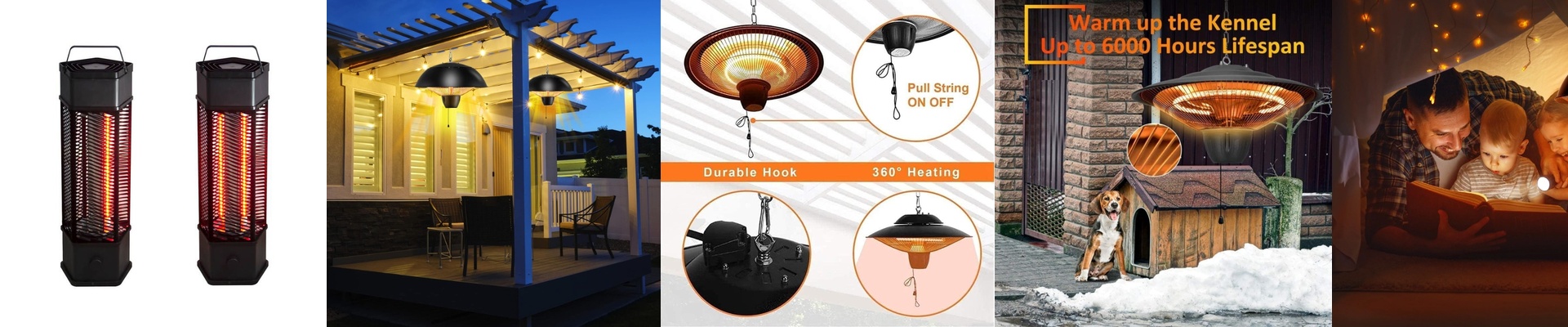
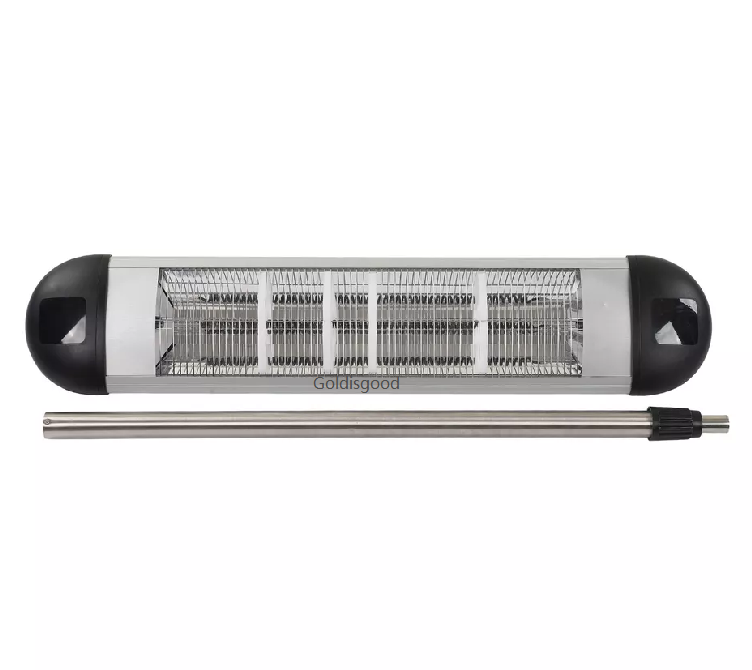
Designing infrared heaters for bathrooms is a tricky balancing act. You’re dealing with constant steam and splashes, but the real headache isn’t just the water—it’s the light. If you’ve ever looked at a standard industrial heater, you know that blinding, harsh glare. Now imagine a baby looking up at that while you’re getting them ready for a bath. Not great. Getting the glow right Most short-wave lamps throw out a lot of visible light and UV rays that can really strain the eyes. We don’t want that. To fix this, we mess around with the quartz and add internal coatings to filter out those sharp blue frequencies. It shifts the light toward a softer, redder glow. You still get all the heat you need to stop the shivers, but without that “staring into the sun” feeling. The battle against moisture and heat We use an IP55 rating, which is just a fancy way of saying the unit can handle dust and a stray jet of water without shorting out. But here’s the catch: when you seal a heater up tight to keep water out, you accidentally create an oven for the electronics. If the heat has nowhere to go, the wiring just fries. To stop that from happening, we use aluminum heat sinks and very specific venting. It pulls the heat away from the guts of the machine and pushes it where it belongs—toward you. Real-world setup We made these as drop-in replacements for standard bathroom lights. The brackets are simple, and they don’t take up much space. One thing to keep in mind: because we filter the light to protect your eyes, you lose a tiny bit of that raw, industrial heating power. It’s a trade-off. In a bathroom, safety wins every time. Just a pro tip: wire these into a dedicated circuit. It prevents those annoying voltage drops that make the lamps flicker.