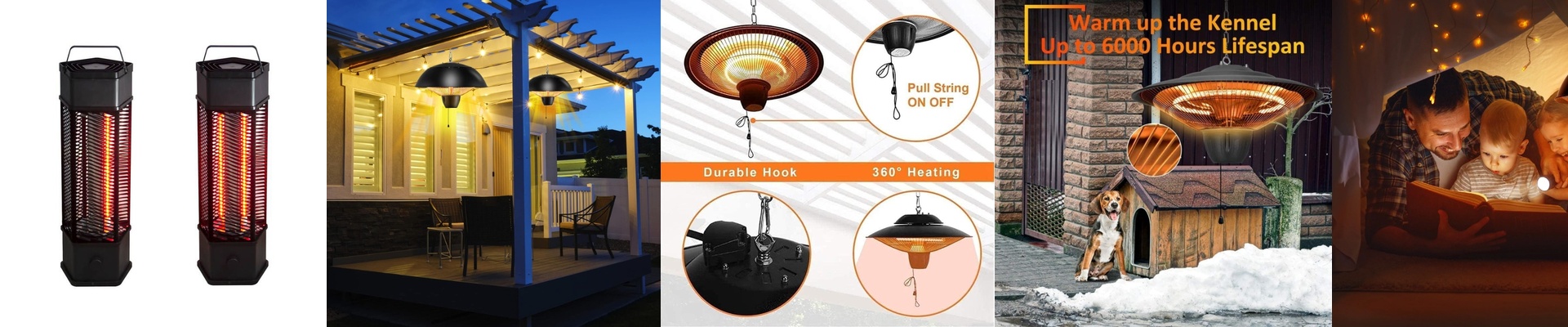
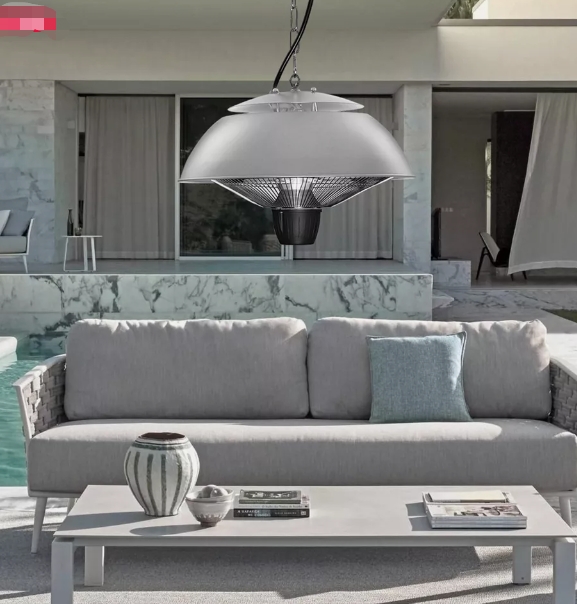
Stop Fighting Your Outdoor Heaters
Let’s be honest: outdoor heating is a battle against the elements. Between the rain, the dust, and the constant swinging from freezing to boiling, your heating elements are taking a beating. When an IP65 unit finally gives out after a few years, the real headache isn’t the cost of the part. It’s the nightmare of breaking a waterproof seal and spending hours rewiring everything just to get the heat back on. It’s tedious. It’s frustrating. And it’s a waste of a Saturday.
A Better Way to Swap Parts
We got tired of the “tear-down” approach. You know the one—where you have to basically dismantle the entire chassis just to reach one burnt-out tube. So, we did something different. We built these units with a modular slide-out design. Now, you can swap the heating element without messing with the waterproof enclosure. The tubes sit in precision brackets with quick-disconnect terminals. No soldering in the rain. No fighting with rusted bolts that refuse to budge. You just pull the module, drop in a new tube, and lock it.A four-hour ordeal becomes a fifteen-minute job.
The Trade-off (And How to Handle It)
Keeping a unit waterproof while letting heat escape is a tricky balance. To keep that IP65 rating, we use specific gaskets and sealed cable glands. They do a great job of keeping the grit and rain out, but they also trap heat around the electrical connections. That’s why we use high-temperature nickel-plated connectors. They can handle the stress. Here’s a tip: don’t try to save a few bucks with cheap replacement connectors. The heat will cause them to expand and loosen, which leads to arcing. Stick to the spec’d parts so your seal actually stays sealed.
Keeping It Simple
Nothing lasts forever. Eventually, quartz tubes crack or just lose their glow. By making the system modular, we make sure the housing—which is the most expensive part of the whole setup—stays put. You only replace the parts that actually wear out. Plus, since the footprint doesn’t change, you don’t have to re-drill holes or re-route your conduits every few years. You just fix it and get back to enjoying the warmth.