


Stop Fighting the Steam: A Better Way to Heat Your Bathroom
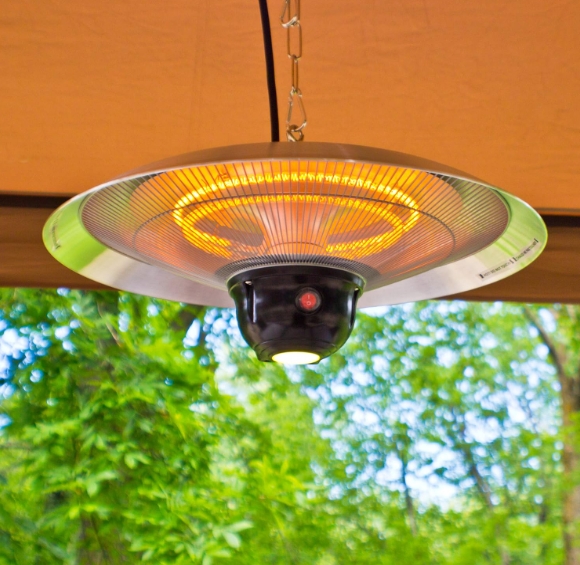
Ever notice how those standard halogen heaters in the bathroom just… give up? It’s no surprise. They aren’t built for the kind of thick, heavy humidity you get after a hot shower. Lately, we’ve been moving toward high-IP rated infrared heaters. The big difference here is that they don’t waste time trying to heat up all the air in the room. Instead, they beam the heat directly onto you. It feels like stepping into a patch of sunlight on a cold morning.
Why the “Waterproof” Part Actually Matters
Here is the thing: old-school heaters usually have exposed electrical bits. In a steamy bathroom, that moisture sneaks inside the housing. Then, pop—you’ve got a short circuit or a burnt-out tube. The waterproof versions we use handle this differently. They use sealed quartz envelopes and heavy-duty gaskets to keep the dampness out. We always look for an IPX4 rating or higher. It basically means if a bit of water splashes on it, you won’t be tripping your circuit breaker in the middle of your morning routine.
The Tech (Minus the Boring Parts)
We stick with short-wave infrared. Why? Because it cuts through moisture way better than the long-wave stuff. You don’t have to stand around waiting for the room to warm up. You flip the switch, and you feel it instantly. Under the hood, the wiring is wrapped in heat-resistant silicone. We make sure the entry points are sealed tight so water can’t “crawl” its way into the terminal block. It’s a simple fix that saves a lot of headaches.
A Few Things to Keep in Mind
If you’re planning to swap these into an old bathroom, don’t just wire them into your light switch. These heaters pull a lot of power to get that instant heat, and your lighting circuit can’t handle that. You’ll need a dedicated circuit and the right wire gauge, otherwise, you’re risking a overheat in your walls. Also, keep in mind that these units go through a lot. They go from ice-cold to steaming in seconds, over and over again. That kind of “thermal shock” can wear down the seals eventually. I usually tell people to check the gaskets every couple of years. It takes two minutes, but it keeps the seal tight. It’s a small price to pay for a heater that actually works when the room is dripping with steam.