Getting Your Glass Heating Right: The Secret is in the Spectrum
Most standard infrared lamps just throw a broad blast of heat at everything. The problem? Your glass usually only wants a few specific wavelengths. The rest is just wasted energy. And if you’ve added chemicals to your glass to change how it behaves, those absorption points shift. That’s where we come in. We tweak the infrared spectrum so it actually hits those specific targets.
It’s not about raw power
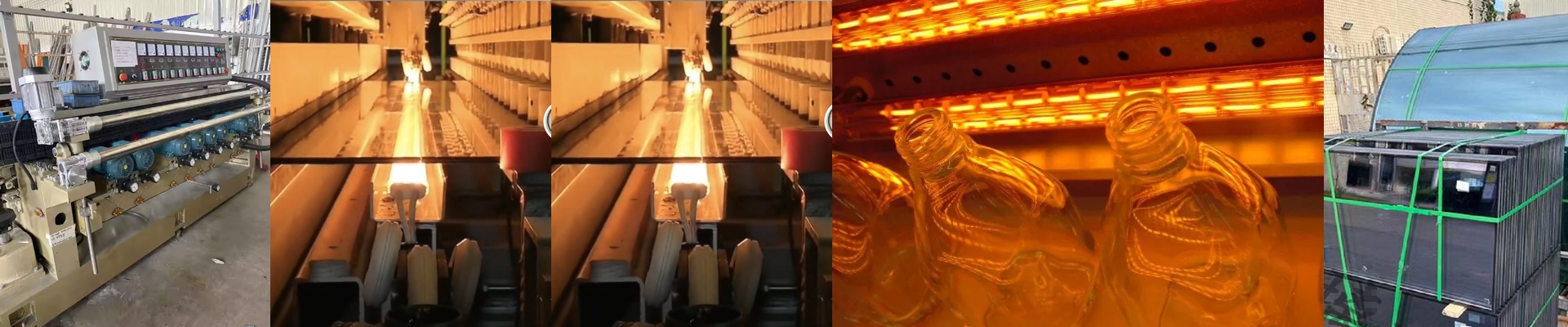
When things aren’t heating up, the instinct is to just crank up the wattage.**Don’t do that.**That’s how you end up with scorched surfaces or, worse, glass that cracks right down the middle. Instead, we play with the emitter materials and the quartz coatings to shift the emission curve. Think of it like tuning a radio to the exact right station. When the lamp’s peak output matches the glass additives, the heat actually sinks into the material. It doesn’t just bounce off the surface.
The give and take
Here’s the thing: you can’t have everything. If we narrow the spectral band to hit a very precise peak, you might lose some of the total radiant flux. You get way better penetration, but you might need a few more tubes to keep your production speed where it needs to be. We’ll figure that out together based on how thick your glass is and how hot you need it to get.
Making it work in the real world
Whether you’re in a lab or running a full production line, these lamps are designed to be simple. They’re drop-in replacements. You just wire them into the controllers you already have and you’re good to go. We focus on that “overlap” between the heat source and the glass. It stops that annoying “skin effect” where the outside is boiling but the inside is still cold. Plus, if your specific additive needs a short-wave or medium-wave trigger to work, we just adjust the filament composition until we hit the mark.