The Struggle with Long Glass Tunnel Kilns (and How We Fix It)
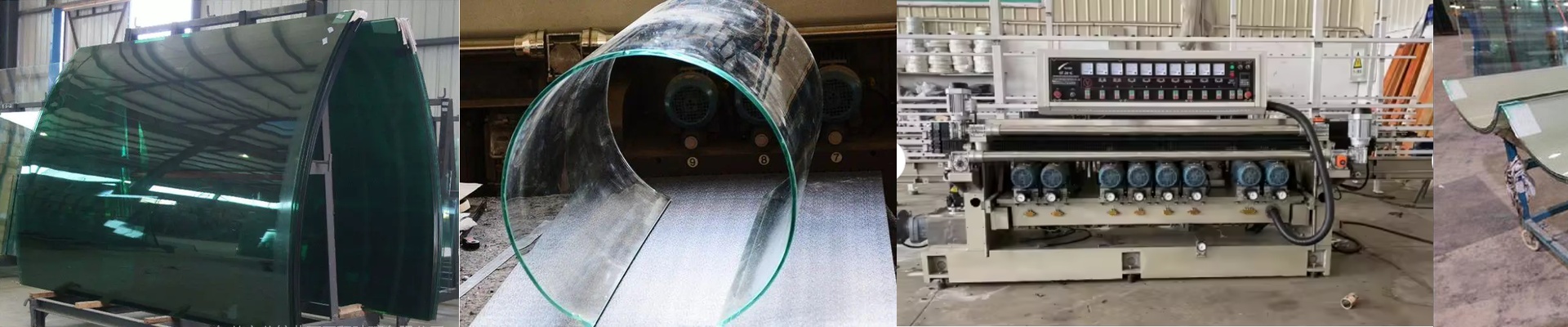
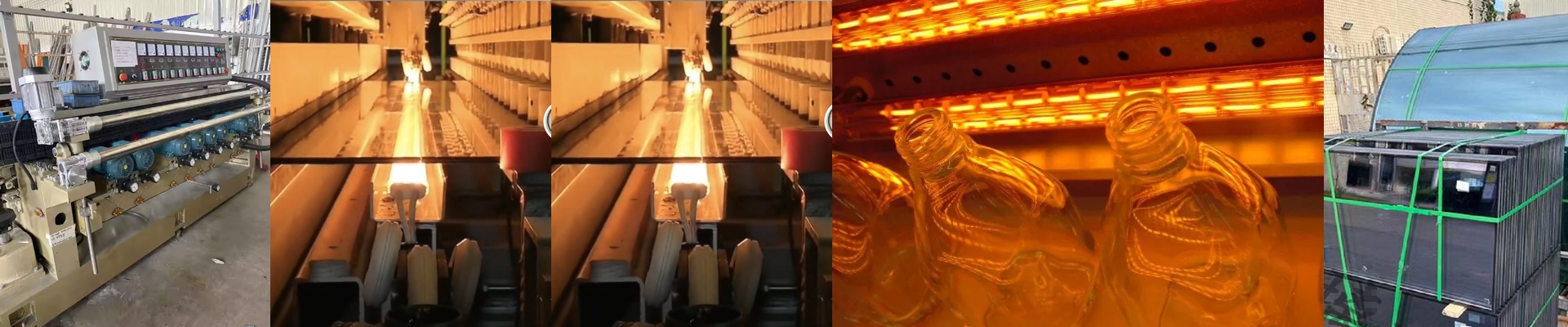
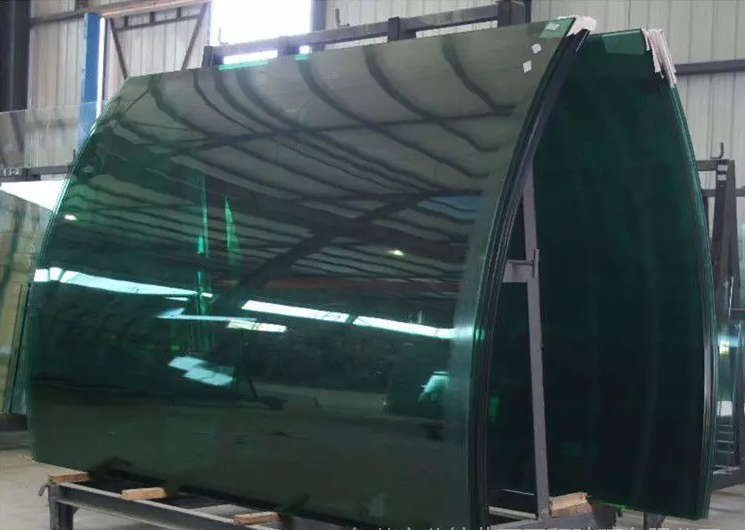
Most IR lamps stop at a meter or two. That sounds like enough until you’re actually running an ultra-long tunnel kiln. When you start stitching together a bunch of short lamps, you get these annoying “cold spots” at every single joint. It’s a nightmare. The glass doesn’t soften evenly, and suddenly you’re dealing with sealing failures or tubes that just warp out of shape. To stop that from happening, we build continuous heating units that actually push past that 2-meter mark. Getting the heat right You can’t just stretch a quartz tube and call it a day. If you do, the ends usually burn out while the middle stays lukewarm. It’s a balancing act with the voltage. We spend a lot of time tweaking the filament winding and using high-voltage setups. The goal is simple: we want the same amount of heat hitting every single centimeter of that tube. You end up with a solid wall of heat instead of a patchy mess. Setting the stage We layout these lamps in a continuous array. Basically, we keep the gaps as tiny as possible so the glass never “feels” a drop in temperature. Because these things are long, they expand and contract a lot. We use heavy-duty quartz envelopes to handle that stress so the glass doesn’t snap. One quick tip: if you’re wiring these into a big kiln, double-check your power rails. These units pull a lot of current, and you don’t want to trip your system mid-run. The tricky part Here’s the thing: these long lamps are fragile. If your mounting brackets are even a tiny bit off, you’re asking for trouble. A small bend in a 2.5-meter tube creates a stress point, and that’s usually where it’ll break first. Plus, these units put out a massive amount of heat. You’ve got to make sure your exhaust system is actually strong enough to pull that ambient heat away. If it isn’t, you’ll end up cooking your own sockets and wiring, which is a headache nobody needs.