Getting the Heat Right for Glass R&D
If you’ve ever used a standard infrared lamp, you know they all kind of do the same thing—they give you a generic heat curve. But when you’re messing around with new glass compounds, “generic” is a problem. Whether you’re testing for thermal shock or trying to nail down viscosity, you can’t just blast the material with heat and hope for the best. You need to know exactly where the heat is hitting and how hard it’s hitting. That’s why we don’t just talk about how long the tube is; we talk about power density.
Shaping the Heat
Here is how we actually do it: we change how the filament is wound inside the quartz tube. By bunching up the tungsten coils in certain spots, we can create intense “hot spots” or a nice, steady thermal plateau. It basically lets you recreate a massive industrial heating zone right on your lab bench. If your material needs a specific wattage per centimeter to absorb heat properly, we just build it to those numbers.
The Physics of Short Wave IR
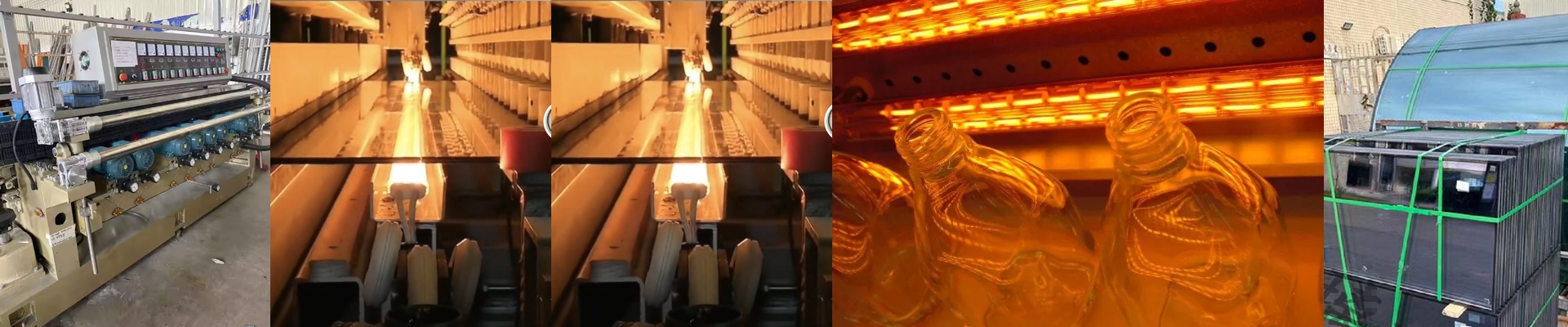
We stick with short wave IR because it actually sinks deep into the glass. Medium or long waves just bounce off the surface, but short wave gets in there. To make that happen, we use high-purity quartz. It keeps the envelope from clouding up or falling apart when things get scorching. And it’s fast. Like, blink-and-you-miss-it fast. But a word of caution: this kind of intensity can be a beast. When you cram that much power into a small space, the heat flux is massive. If your cooling setup isn’t ready for the reflected radiation, you’re going to warp your brackets or fry your reflectors. It’s a powerful tool, but you have to respect it.
Gear That Actually Fits Your Rig
We know R&D setups are usually a bit… chaotic. Maybe you’ve got a specific voltage you’re locked into, or a vacuum chamber that’s way too tight for a standard lamp. We build to your prints. No “standard sizes” that almost fit. We make sure the lamp is a drop-in replacement for whatever prototype you’re running. You get the thermal map you need to prove your material works, without having to spend three days fighting with your equipment.