Stop the Chipping: Why We Preheat Glass Before Cutting
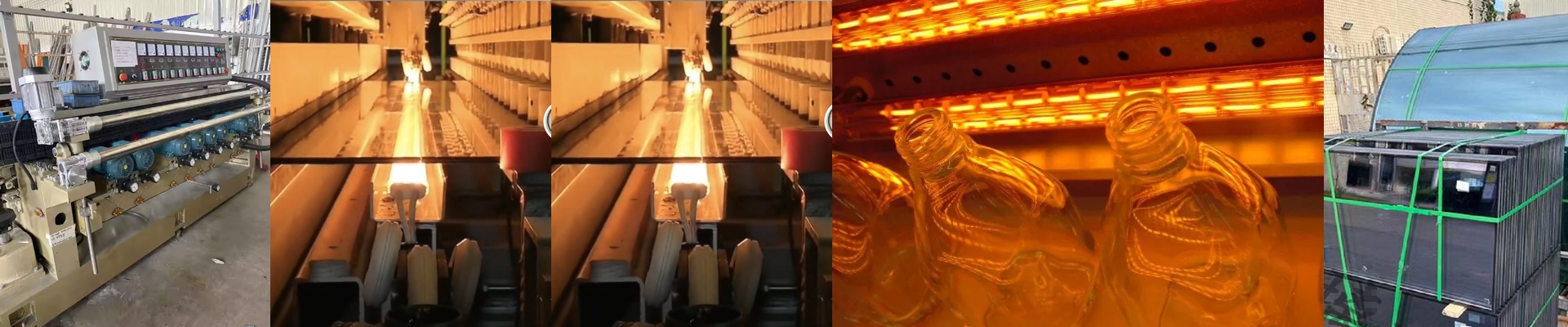
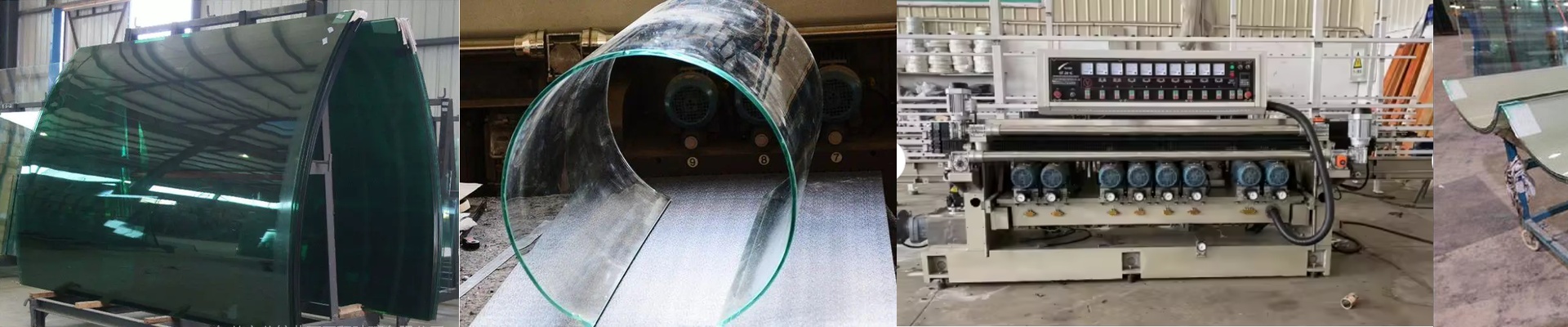
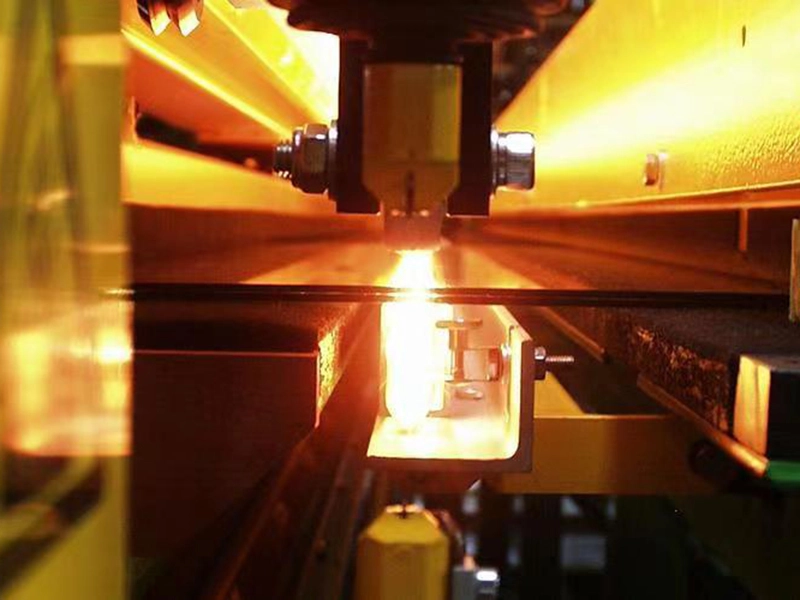
Cutting cold glass is basically a gamble. When that cutting head scores the surface, it creates a ton of localized tension. If the glass is too cold, it doesn’t handle that stress well. You end up with those annoying little fractures—the “chipping” or corner breakouts—that turn a perfectly good piece of glass into scrap. It’s frustrating. But there’s a simple fix: infrared (IR) preheating. The secret is in the heat We basically warm up the glass surface right before it hits the cutting wheel. This smooths out the internal stress. By bumping up the temperature, the glass structure relaxes just enough to keep the score line stable. The result? A clean, crisp break every time. Your edges look professional, and you stop throwing money in the scrap bin. The gear you actually need We usually go with short-wave infrared lamps. These are great because they penetrate the glass quickly. You don’t need a giant, space-eating oven; you just need the right lamps. The trick is matching the lamps to your line speed. If your table is flying, you’ll need higher wattage density. You have to make sure the glass hits that target temperature before the blade ever touches it. A few things to watch out for Now, you can’t just crank the heat to maximum and call it a day. If you overheat the glass, you’re asking for thermal shock or warping. That’ll ruin your precision faster than cold glass ever would. It’s all about finding that sweet spot between lamp intensity and conveyor speed. And a quick tip: check your cooling fans. High-wattage IR arrays get hot—really hot. If your control electronics are sitting too close to the lamps without some decent shielding, they’re going to fry. To keep things steady, wire your lamps into a PID controller. It handles the heavy lifting for you, making sure the glass stays at the right temperature even if your shop floor feels like a freezer in January.