Why Your Bathroom Heater Isn’t Just About Feeling Warm
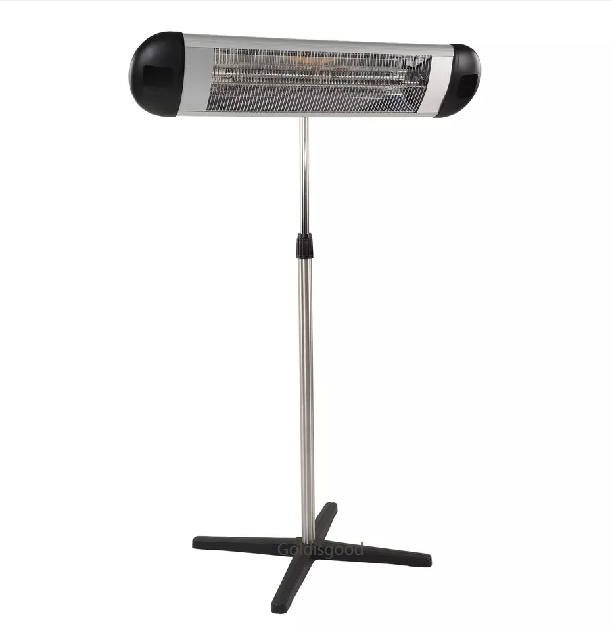
Most people look at those bathroom heat lamps and think, “Great, I won’t freeze while I’m brushing my teeth.” But there’s actually some pretty cool stuff happening under the hood. We aren’t just warming up the air. We’re using short-wave infrared light to target the damp spots that a regular space heater totally ignores.
Stopping Mold Before It Starts
Here is the thing about mold: it loves stagnant air and damp walls. Standard heaters just warm the air. The problem? Your walls stay cold, water condenses on them, and suddenly you’ve got a mold problem. It’s a cycle that’s hard to break. Our lamps do things differently. They skip the air entirely and beam heat directly into your walls and ceiling. By keeping the actual surface of the wall warm, the water never has a chance to pool. No puddles, no fungus. Simple as that.
Getting Deep Into the Tile
We’ve tuned these lamps to hit a specific wavelength. Why? Because we want the heat to actually sink into your grout and tiles. If you only heat the air, the core of your wall stays damp. Our lamps dry the wall from the inside out. It’s the difference between drying a towel with a hairdryer versus just standing in a warm room.
A Couple of Things to Watch Out For
You can’t just throw these in anywhere. You’ve got to be smart about where they go. If the angle is too shallow, you’ll end up with “cold spots.” Those are basically welcome mats for mold. I always suggest overlapping the heat patterns so every inch of the “wet zone” is covered. Also, a heads-up on the electrics: these lamps pull a decent amount of power. Make sure your wiring and breakers can handle that initial kick when you flip the switch, or you’ll be staring at a tripped circuit breaker. And just to be clear—you still need a vent. The lamps are amazing at killing mold, but you still need a way to get the actual steam out of the room.