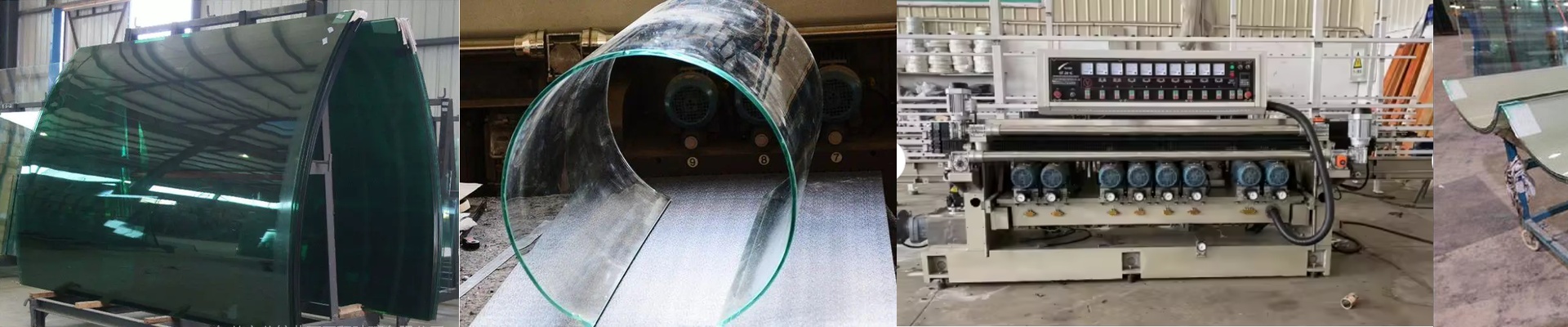

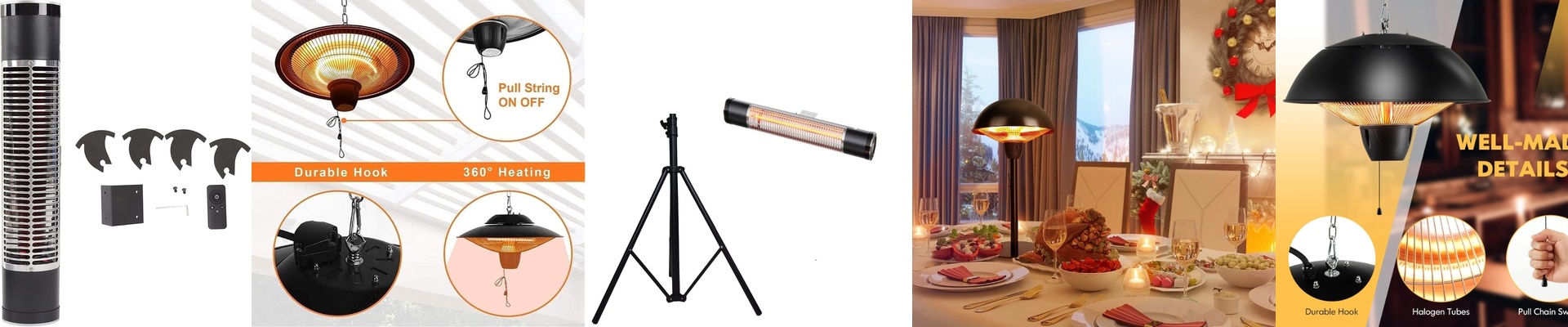
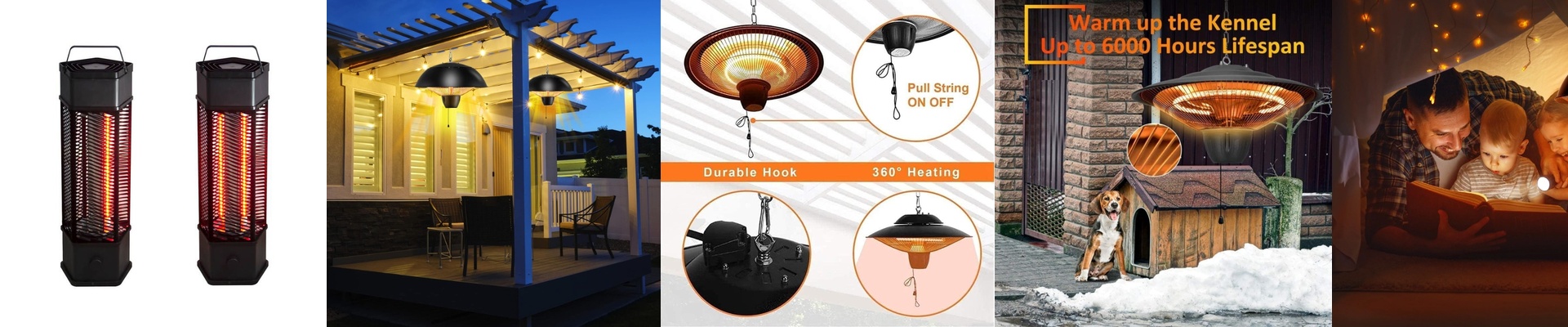
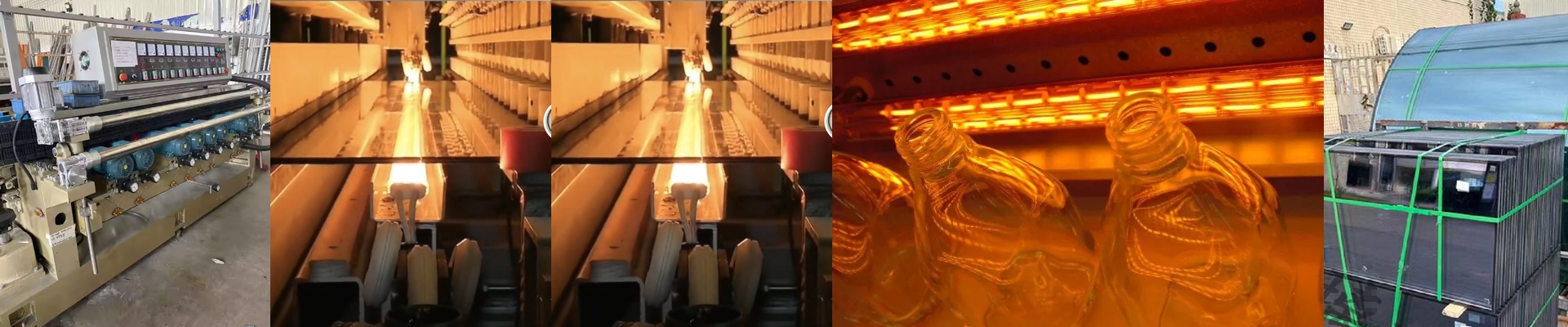
Cutting through ultra-thick glass is a brutal process. There’s so much friction and stress on the cutting wheel that if you try to score it cold, you’re basically asking the tool to commit suicide. The wheel takes a beating and burns out way too fast. To stop that, we use shortwave infrared (IR) lamps. Here’s the thing: standard heating doesn’t really do much with thick glass. The material just sucks up the heat and spreads it out, acting like a giant heat sink. But shortwave IR is different. It actually digs deep into the glass. By aiming that energy right at the cutting path, we can soften the molecular structure just a bit. Not enough to melt it or cause a thermal shock, but just enough so the wheel doesn’t have to fight the glass so hard. **It’s the difference between carving through ice and carving through butter.**The wheel just glides. You get a much cleaner break, and your tools actually last. Of course, you can’t just throw any bulb in there. You need high wattage density. We usually go with high-voltage quartz tubes to keep that IR output tight and concentrated. The positioning has to be spot on, too—the lamp needs to sit exactly over the cutting head to keep the focal point sharp. But you have to be careful. If you crank the heat too high and don’t adjust your feed speed, the glass expands unevenly. That’s how you end up with annoying chips or random cracks along the edge. Plus, you’ll want a cooling system that can actually handle the heat building up around the lamp housing, otherwise, you’re going to fry your electronics. As for the setup, we designed these to be simple drop-in replacements for your existing heating arrays. The wiring is a breeze. The only real catch? The reflectors. You have to keep them clean. If dust or tiny glass shards build up on the reflector, your efficiency tanks and the lamp has to run hotter to compensate. Just keep the optics clear, and you’ll have the penetration you need for those heavy plates.