Getting the Balance Right: Print Clarity vs. Glass Strength
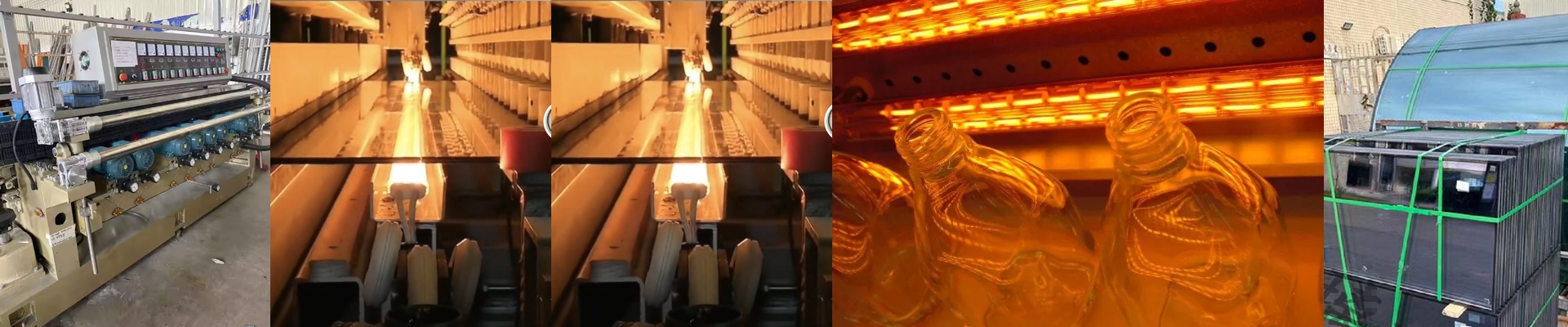
If you’ve ever screen-printed on glass, you know the headache. You’re stuck between a rock and a hard place: you need enough heat to cure the ink and kill the internal stress in the glass, but one wrong move with the temperature and your crisp edges start to bleed or the whole piece warps. It’s a balancing act. To fix this, we use short-wave infrared (IR) lamps. The trick here is that they hit the surface layer hard without soaking the entire slab of glass in heat.
Keeping Your Patterns Sharp
You want a controlled temper, but it’s a tight window. If you ramp up the heat too slowly, the ink just sits there and bleeds, and you lose all that sharp definition. But go too aggressive? Now you’re risking thermal shock. That’s why we spec lamps with a high heat flux. They slam the ink layer first, which sets the pattern almost instantly. By dialing in the wavelength, we keep the energy exactly where the ink bonds to the glass. No wasted heat, no blurry lines.
The Gear Under the Hood
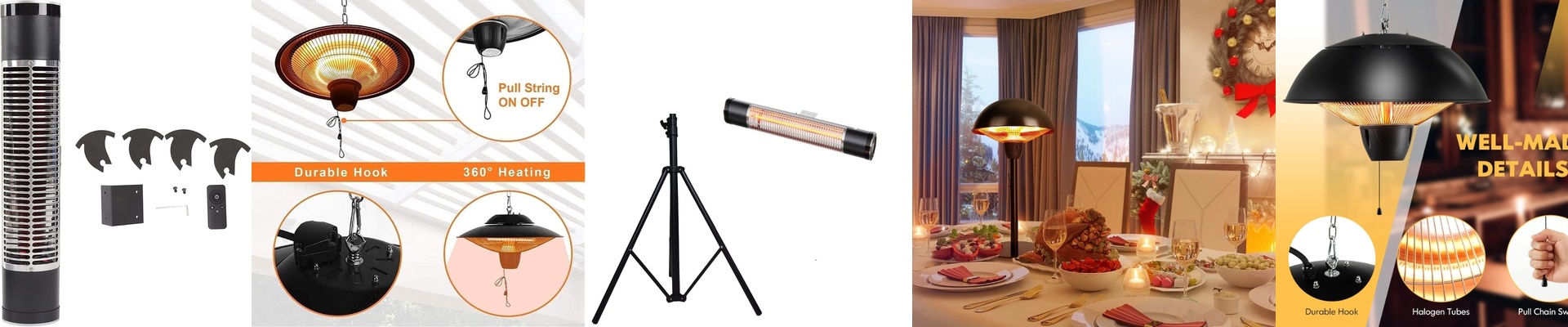
We usually go with quartz halogen elements. These things are powerhouses. They pack a ton of wattage into a tiny footprint, which is a lifesaver when you’re trying to jam more heating power into a cramped conveyor line. You’ll probably see them wired into high-voltage circuits just to keep the power steady across those long tubes. But here is the thing: the lamp is only half the battle. The reflector matters just as much. A gold or polished aluminum reflector bounces that IR energy right back into the glass. It’s way more efficient. Just a heads-up—don’t skimp on the cooling fans. These high-density arrays gethot. Like, really hot. If your housing isn’t vented properly, you’re just going to burn through your lamps.
The Trade-off
Nothing is perfect. Short-wave IR is the fastest way to get a clean cure, but it doesn’t dive as deep into the glass as medium-wave does. If you’re dealing with really thick glass, you might have to slow down your line speed or move the lamps closer. It’s a bit of a drag on your throughput, sure, but it’s the only way to make sure the center of the glass isn’t left under tension. Better a slightly slower line than a shattered piece of glass.