Getting the Heat Right: Silk-Screening and Glass Tempering
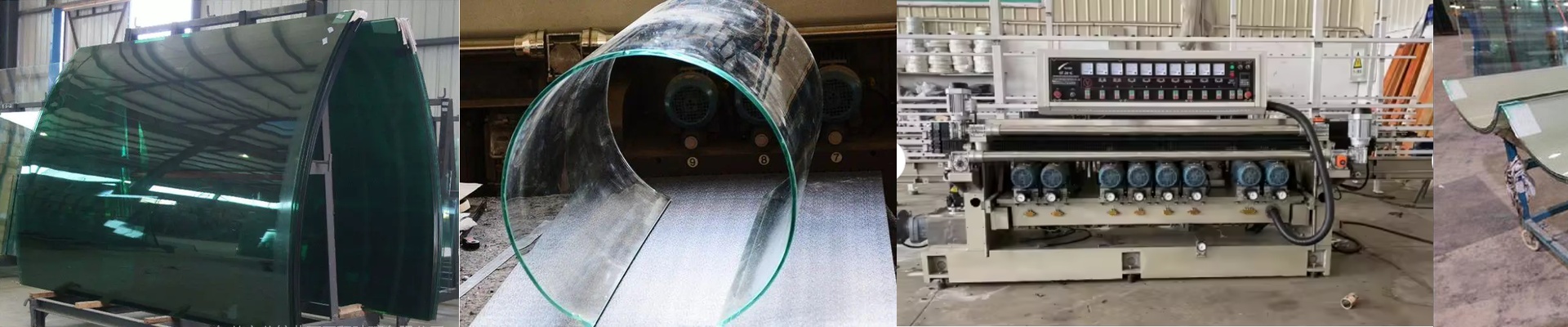
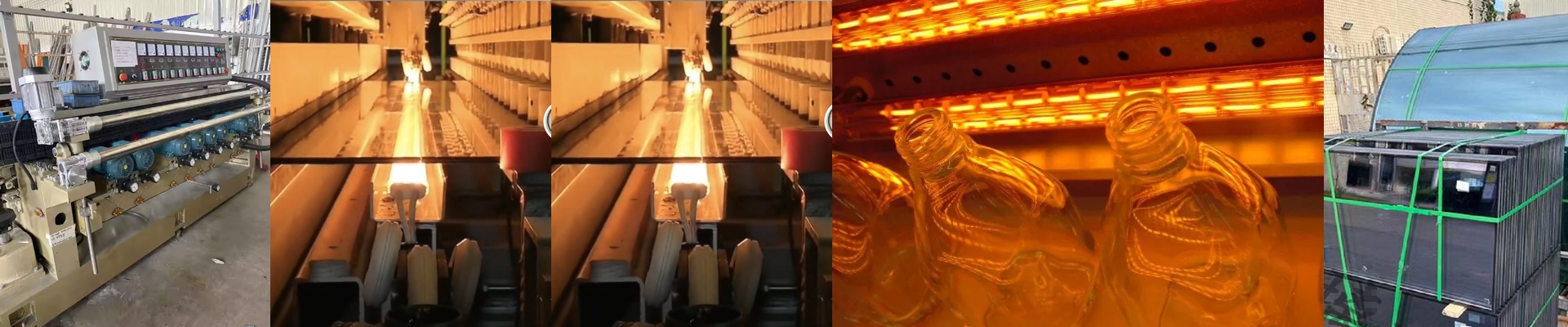
When you’re dealing with thick glass and silk-screened patterns, you’re basically walking a tightrope. You need the glass hot enough so it doesn’t shatter during the quench, but if you push it too far, you’ll fry the ink or watch your crisp patterns start to bleed. It’s a balancing act. That’s why we lean on shortwave infrared (IR) lamps during preheating. Keeping the patterns sharp Here’s the thing about shortwave IR: it digs deep. Instead of just baking the surface, it gets right into the core of that thick glass. If you try to do this with slow convection heat, the ink on the surface hits the breaking point long before the center of the glass is even warm. That’s how you end up with “ghosting” or those annoying blurred edges. To stop that, we spend a lot of time dialing in the lamp wattage and exactly where they sit to make sure the heat hits every inch of the sheet evenly. The gear we use We typically go with high-wattage quartz tubes. Because they pack so much punch, the machines don’t have to be massive, and they ramp up to temperature fast. It keeps the line moving. We also use reflectors to bounce that energy straight down onto the glass. It’s a simple tweak, but it stops the oven housing from just soaking up heat that should be going into the product. The trade-off: Speed vs. Stability You’d think “more power equals more speed,” and while that’s mostly true, there’s a catch. If you throw too much energy at the glass too quickly, you get hot spots. And if your cooling system can’t keep up with the heat building up in the chamber, your lamps are going to burn out way sooner than they should. You have to find that sweet spot between how fast the conveyor is moving and how hard the lamps are working. Plus, we wire everything for quick swaps. When a tube eventually pops, you can’t just let the whole line sit idle. You need to be able to drop in a new one and get back to work. Just make sure the voltage matches perfectly—otherwise, you’ll deal with flickering or weird cold zones in your heating.