


Getting the Heat Right in Mobile Glass Repair
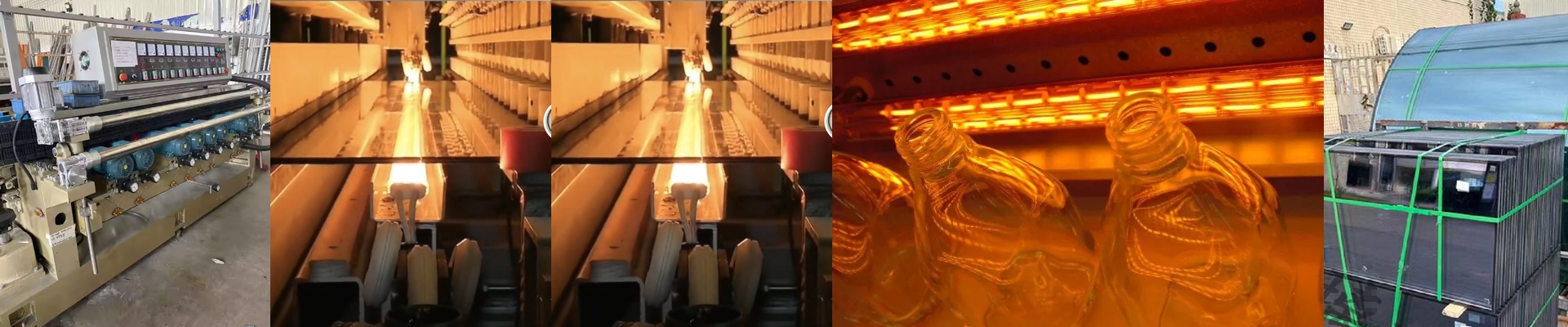
When you’re trying to cram high-performance heating into a mobile glass repair bracket, you’re basically fighting a war for every single millimeter of space. You don’t have the luxury of plugging into a massive industrial power grid. You’re on the move. You need heat that hits the mark instantly, but you can’t have a device that’s so bulky it’s a pain to carry. The struggle with power vs. size Here’s how we handle it: shortwave infrared lamps. Unlike the longwave stuff, shortwave IR punches through the glass surface fast. We use lamps with high wattage packed into a really short tube. It keeps the whole setup small, but it still gives you the raw thermal energy you need to get those nip rollers preheated. But you can’t just throw any lamp in there. You have to watch your voltage. If your mobile rig is running on a tight power budget, we tweak the filament thickness and length to match your specific power rail. It’s a balancing act. Do it wrong, and your lamps either burn out immediately or they never actually get hot enough to do the job. The hardware side of things We go with quartz envelopes because they just move heat more efficiently. For the connectors, we usually stick with R7s or something similar. They’re compact, easy to wire, and—most importantly—you can swap them out in seconds when a lamp finally gives up the ghost. But there’s a catch. When you pack that much heat into a tiny bracket, you run into “heat soak.” Basically, your housing starts taking a beating. You’ve got to get your shielding and cooling fans exactly right. If the airflow gets blocked, your internal parts are going to cook, and it won’t matter how great your lamp is. Putting it to work At the end of the day, you just want a fast, even preheat so the adhesive or sealant actually bonds. By shrinking down these IR elements, you’re basically getting factory-line precision in a tool you can hold in your hand. It kills the ramp-up time and keeps the bracket light enough that you aren’t dragging a lead weight around the job site.