The Struggle of Fitting High-Heat IR into Mobile Glass Repair
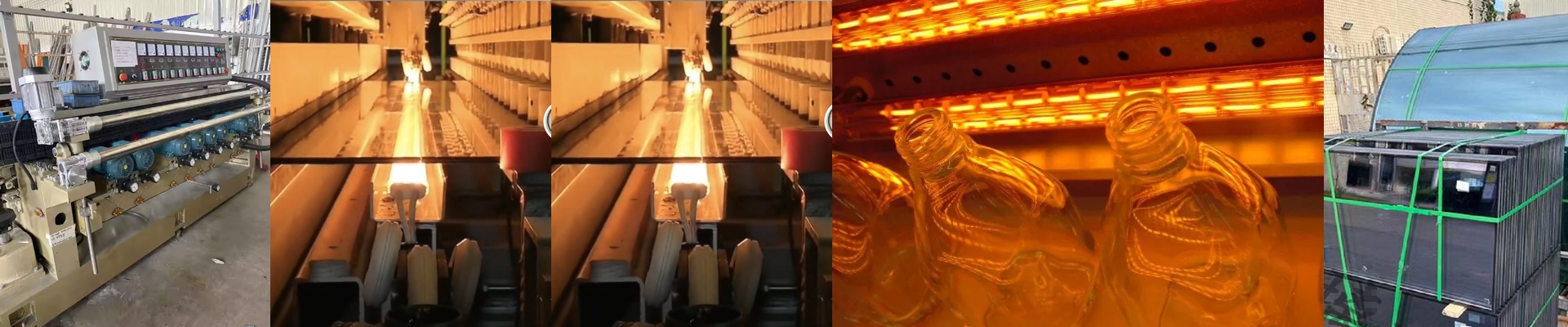
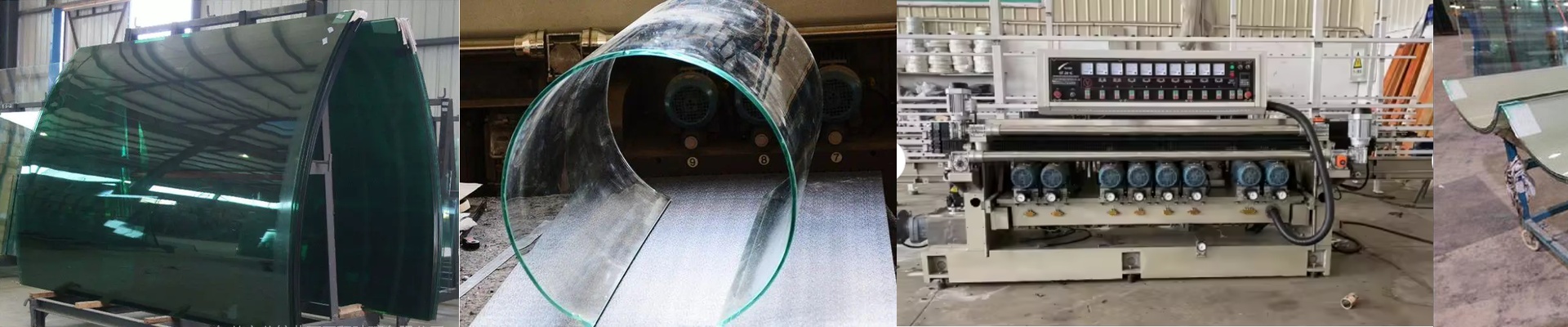
Trying to squeeze an annealing lamp into a mobile repair bracket is basically a fight. You’re stuck between needing massive power and having almost zero room to work with. You can’t just take a big industrial heater and shrink it down. That doesn’t work. Instead, you need an IR setup that hits the glass hard enough to get the job done without accidentally melting your own equipment. The battle for space To get real heat out of a tiny lamp, it all comes down to how much wattage you can cram into every centimeter. We usually go with short-wave quartz elements. Why? Because short-wave IR actually sinks into the glass rather than just bouncing off the surface. It makes the heating cycles way faster. We also push these lamps to the highest voltage your power supply can take. It sounds risky, but it actually lets us keep the current low. That means you can use thinner wires and smaller connectors without worrying about everything blowing out. Heat, materials, and the “soak” We use high-purity quartz because it can handle being turned on and off rapidly without cracking. Some of our elements even have a special coating that pushes the heat forward, right where you need it. But here is the catch: you have to watch the thermal soak. Since these lamps are packed into tight spaces, the heat doesn’t just hit the glass—it lingers in the housing. If your bracket isn’t vented or doesn’t have a decent heat sink, your connector pins will oxidize and just… die. The reality of using them These miniature lamps are great for spot annealing, but they’re picky. They have a very narrow focal point. You have to be spot-on with the distance between the lamp and the glass. Seriously. If you’re off by just a few millimeters, your temperature profile shifts. And don’t try to “fix” bad positioning by just cranking up the wattage. That’s a shortcut to thermal shock, and that’s how you end up with cracked glass.