Stop Waiting on Your Quartz Glass: A Better Way to Handle Annealing
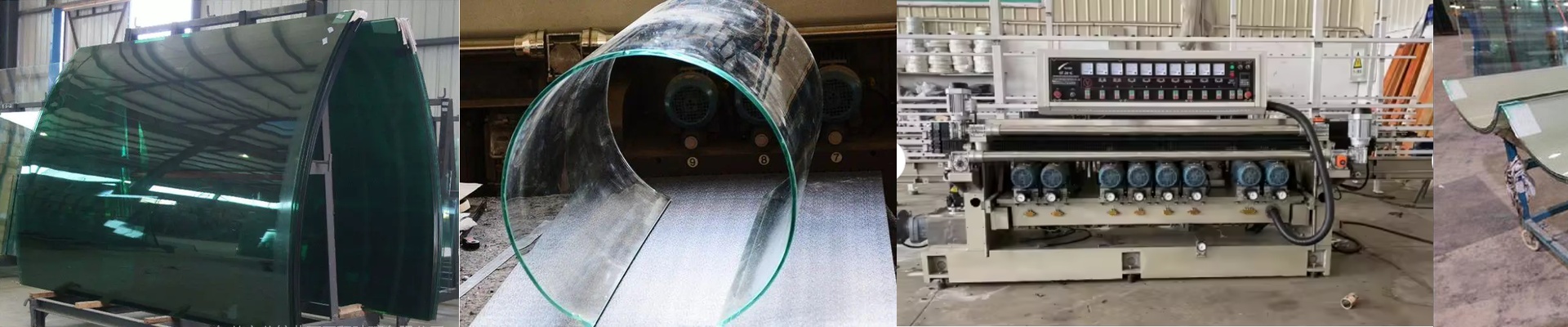
If you’ve spent any time on a production floor, you know the headache of quartz glass. You have to get the thermal management exactly right to get rid of internal stress, or the whole thing just snaps. The problem is that those old-school batch ovens are painfully slow. They’re a bottleneck. We’ve found a way to fix that by moving the annealing process inline using shortwave IR lamps. It keeps your production moving without the “stop-and-start” frustration.
Why IR Just Hits Different
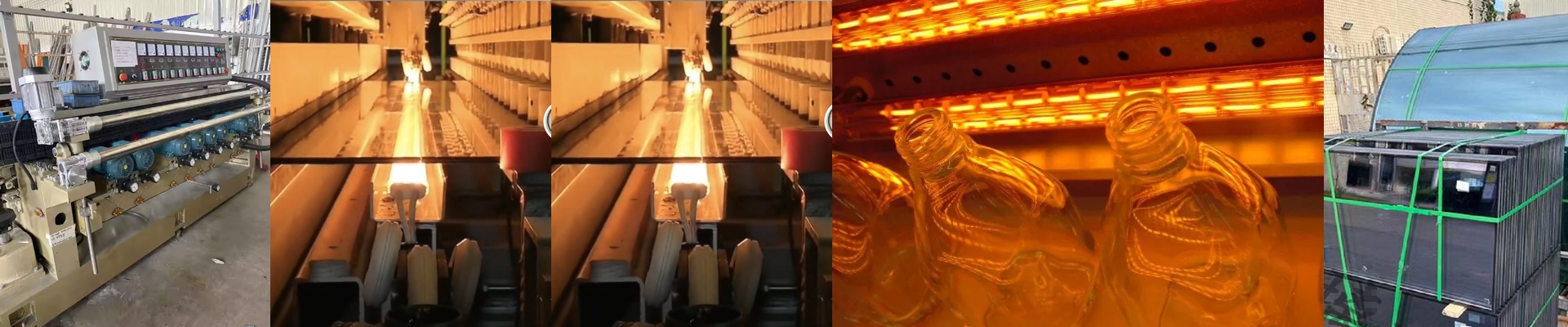
Most resistive heaters have way too much thermal mass. You turn them on, and then you wait. And wait. They take forever to hit the temperature you actually need. Shortwave IR lamps don’t play that game. Instead of heating up the air around the glass, they shoot radiation straight into the material. It’s direct. It’s fast. Because these lamps ramp up and cool down almost instantly, you can tweak the temperature on the fly as the glass slides down the conveyor. It gives you a level of control over the annealing point that basically kills the risk of the glass cracking while it cools.
The “Gotchas” of Setting It Up
Now, this isn’t just a “plug and play” situation. You’ve got to be smart about the electrical side. These high-wattage tubes pack a massive amount of heat into a tiny space. That’s great for your speed, but it can be a shock to your power supply. You’ll want to double-check that your wiring and controllers can handle those initial current spikes when you flip the switch. And a word of advice:don’t skimp on the ventilation. If you cram these into a poorly vented housing, you’re basically building an oven for your own electronics. If you’re running a high-power array, make sure your fans and heat sinks are beefy enough to handle the heat soak.
The Real Win: Going Continuous
Moving from batch processing to a continuous line just makes life easier. You aren’t lugging fragile quartz pieces from one station to another, which means fewer accidents and way shorter lead times. By setting up a series of IR zones, you create a smooth thermal gradient. The glass stabilizes in real-time. It’s a much leaner way to work, and it replaces those bulky, slow heaters with something that actually keeps up with your pace.